
Why texture matters before the first bite
When people choose pickles, they often think first about tang and spice. But texture does a lot of the work too. A crisp pickle gives a clean snap, while a softer style can blend into sauces, spreads and chopped fillings. In a jar, that texture starts with the vegetable itself, then the cut, the brine and the time it spends resting before it is served.
In a home kitchen in Paarl or a busy prep area in Johannesburg, that difference matters. A crisp pickle can lift a sandwich and stop it from feeling heavy. A softer pickle can be chopped through potato salad or spooned over a meat pie filling. Knowing what texture you want makes it easier to choose the right jar for the job.
What gives a pickle its crunch
Crispness begins with fresh produce. Cucumbers, green beans, onions and mixed vegetables all behave differently when cut and packed. Thin slices take on brine fast and soften more quickly. Thicker pieces hold their shape for longer and keep a firmer bite. The packing method matters too, because tight packing can protect delicate pieces while loose packing leaves more room for movement in the jar.
Temperature also plays a part. A pickle that is served straight from a cool pantry or chilled fridge will feel firmer than one left sitting out on a warm counter. In coastal towns like Gqeberha or Durban, where humidity can change how food sits on the table, that little detail can affect the final bite more than people expect.
- Thicker cuts usually stay firmer for longer.
- Fine slices absorb brine faster and soften sooner.
- Cool storage helps maintain a crisper mouthfeel.
- Air exposure after opening can slowly reduce bite.
Slice style changes the way a pickle serves
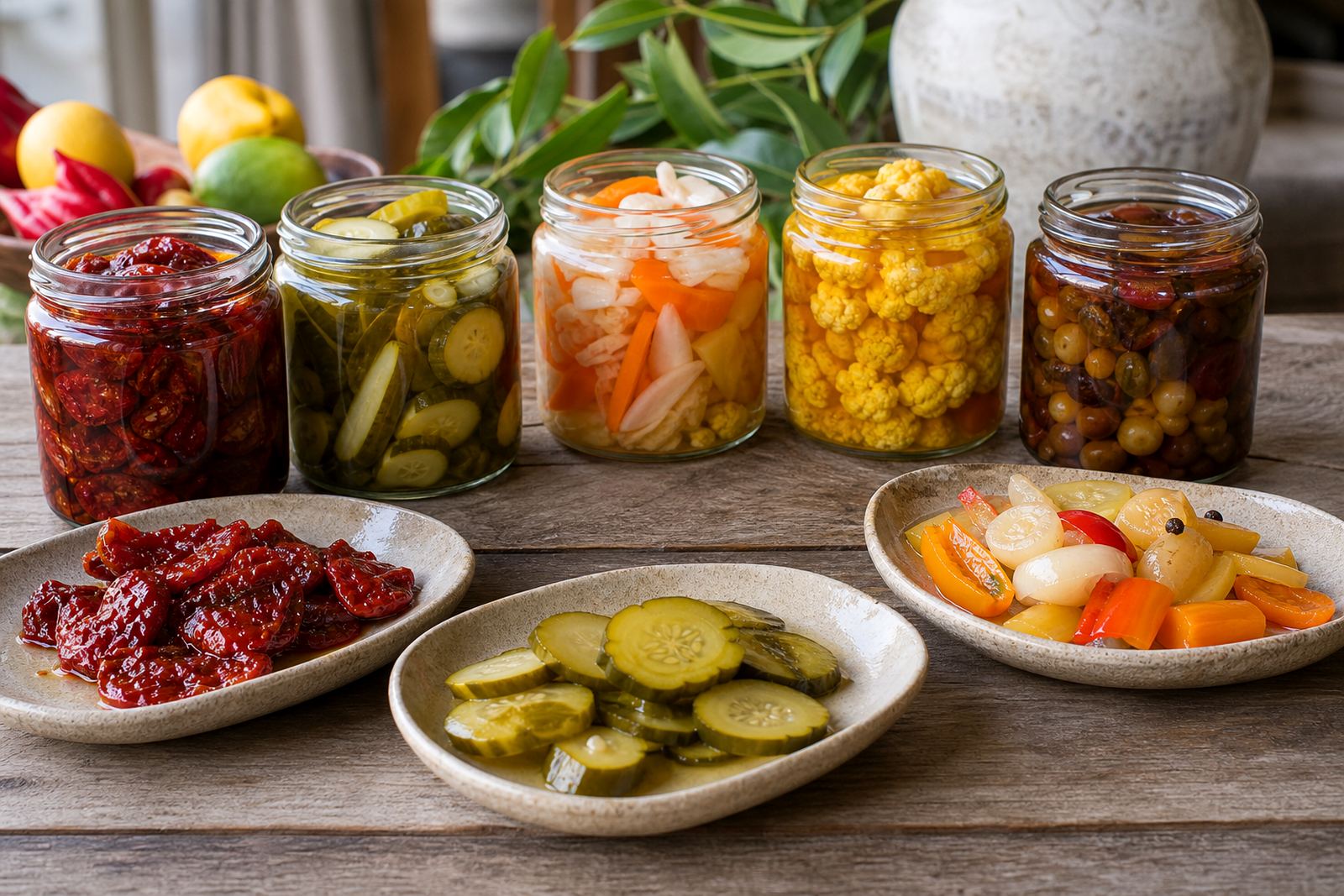
The same pickle can feel completely different depending on how it is cut. Rounds are neat and easy to layer on sandwiches. Spears are better for platters and side plates. Chopped or diced pickles work well in relishes, tartar-style sauces and fillings where you want the flavour spread through the dish rather than sitting in one piece. This is where good slicing saves time in the kitchen, because the shape already suits the meal.
If you are making lunch for a team in Pretoria or packing a hamper for a client in Stellenbosch, think about the setting. A wedding favour might need tidy little rounds in a small jar. A braai table may call for spears that can be picked up by hand. For school lunch boxes, thin slices often fit better between bread and do not make the sandwich slide about.
- Rounds suit burgers, rye bread and canapés.
- Spears work well with cold meats and snack platters.
- Diced pickle is useful in salad dressing and quick sauces.
- Slender batons are handy for wraps and toasties.
Pairing texture with the right dish
Texture should match the rest of the plate. A crisp pickle cuts through soft foods like mashed potato, egg mayo and creamy chicken filling. A more tender pickle can sit happily with roast vegetables, grain bowls and cooked grains where you want a softer contrast. If the dish is already crunchy, such as toasted sandwiches or crackers, a slightly softer pickle can help balance the bite instead of competing with it.
This is worth thinking about for catering and hospitality supply as well. A restaurant in Cape Town may want pickles that hold their shape through service. A guesthouse breakfast tray in Somerset West may prefer smaller cut pieces that are easy to serve beside eggs, cheese and freshly baked bread. The goal is not only flavour, but a finish that feels right on the tongue.
- Crisp pickles suit burgers, toasties and braai plates.
- Softer pickles fit well into spreads, relishes and fillings.
- Balanced texture keeps a dish from feeling one-note.
- Smaller cuts are practical for buffet service and plated meals.
How to keep a good bite after opening
Once a jar is opened, treat it with a bit of care so the texture lasts. Use a clean spoon, close the lid properly and keep the jar in the fridge if that is how the product is meant to be stored after opening. Avoid dipping wet utensils into the jar, because extra moisture can affect the brine. If you are portioning for a function, only take out what you need and leave the rest sealed until service.
In a hot kitchen, or during load-shedding when fridge doors are opened and closed more often, it helps to plan ahead. Move smaller amounts into serving bowls and keep the main jar tucked away. That simple habit protects the bite and keeps service steadier when the power flickers. A little care goes a long way, even if the lunch rush is hectic and the prep table is full.
A Paarl example: from lunch table to braai side
Picture a Saturday in Paarl. Lunch starts with fresh bread, cold meats and a few slices of cheese. A crisp pickle round on top of a sandwich gives a sharp bite that keeps every mouthful bright. Later, the same table shifts to a braai where thicker spears are passed around with chops, boerewors and potato salad. The texture changes the whole meal without needing a new recipe.
That is the practical value of thinking about pickle texture. You can buy one style for quick snacking, another for plated meals and a different cut for bulk catering. For gift boxes, event favours and seasonal orders, it also helps to choose a jar size and cut that suits the occasion. The best pickle is not only tasty, it is the one that fits the way people actually eat.
Simple ways to choose the right jar
If you are stocking up for home use, a wedding order or a corporate hamper, start with the final dish in mind. Ask whether you need snap, softness or something in between. Then think about how the pickle will be served, chilled, spooned, stacked or chopped. The texture should do the work for you, not make more prep.
- Choose crisp cuts for sandwiches, burgers and snack plates.
- Choose finer cuts for sauces, relishes and mixed fillings.
- Choose firmer spears for sharing platters and braai sides.
- Choose smaller pieces for catering trays and quick service.
At Cumato, the focus is on practical jars that work in everyday kitchens and larger food service settings across South Africa. From online orders in Cape Town to courier deliveries into Johannesburg, Durban, Pretoria and Gqeberha, the right texture makes the jar more useful from the first serving to the last.