How Sun-Drying Works on Fresh Produce
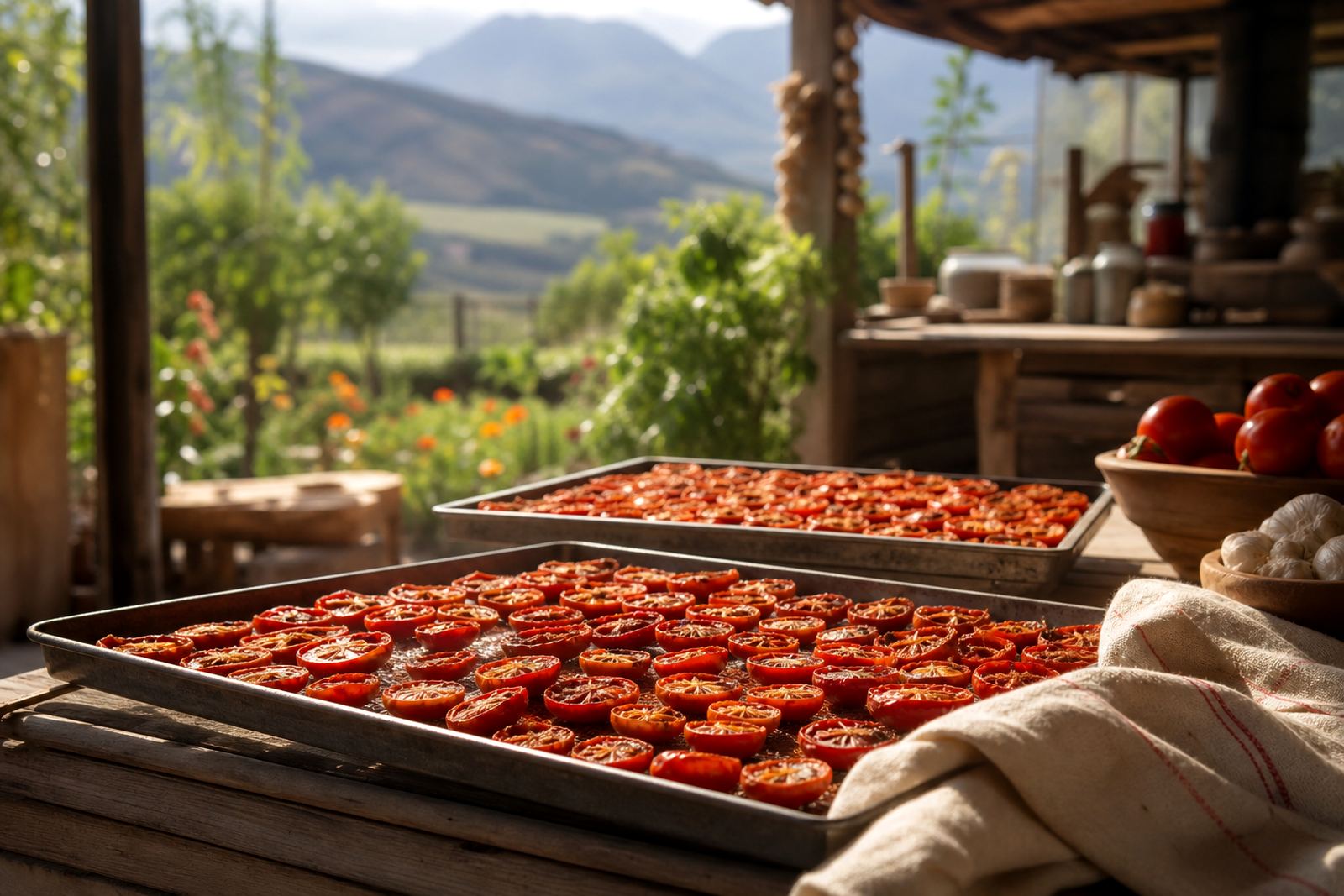
Sun-drying is a simple preservation method that removes moisture slowly from fresh produce using warmth, moving air and time. When water leaves the fruit or vegetable, the flavour becomes more concentrated and the texture changes from juicy and soft to chewy, firm or sometimes lightly wrinkled depending on the cut and drying time.
For tomatoes, the process brings out sweetness, a bit of tang and a fuller savoury note. That is why a sun-dried tomato tastes so different from a fresh one in a salad. It is not just a drier version, it is a different ingredient with its own cooking role. Pickled produce follows a different path, but the same principle applies: careful preparation changes flavour and makes the jar more useful in the kitchen.
In a place like Paarl, where warm days and dry air help with natural drying, this method still depends on close attention. The right thickness, clean handling and even drying all matter. If a slice is too thick, it stays soft in the middle. Too thin, and it can become brittle. That balance is what gives a good preserve its texture and consistency.
Why the Flavour Becomes Stronger and More Useful
Once the water content drops, the natural sugars, acidity and savoury notes become easier to notice. This does not mean the ingredient becomes stronger in every direction. It becomes more focused. A small piece can carry enough flavour to season a pasta dish, sharpen a sandwich filling or bring balance to a tray of roasted vegetables.
That concentrated flavour is one reason sun-dried tomatoes are used so widely in home cooking and catering. They work in recipes where fresh tomatoes might release too much liquid or lose their shape. Pickles bring another kind of lift, adding a sharp, savoury edge that can cut through rich foods like creamy spreads, grilled chicken, cheese platters or potato salads.
- Sun-dried tomatoes suit pasta, risotto, flatbreads and savoury muffins.
- Pickles work well in burgers, braais, wraps and cold platters.
- Both can be chopped into fillings, stirred into dips or used as a topping.
- A little goes a long way, so portioning matters in prep.
Texture: What Changes Before the Jar Even Opens
Texture is one of the first things people notice when they use sun-dried produce. Fresh tomatoes are soft and juicy, while sun-dried ones are denser and more structured. That makes them easier to slice finely, dice into small pieces or fold into doughs and spreads without making the mixture watery.
In practical cooking, that matters more than people expect. A sandwich filling can turn sloppy if the ingredients release too much moisture. A pasta sauce can become too thin if fresh tomato pieces break down too quickly. Sun-dried tomatoes help avoid that, because they bring flavour without adding excess liquid. Pickles do something similar in a different way. They keep their bite, so they stay visible and textured in a salad, relish or snack pack.
For hospitality kitchens and event catering, this is useful because it helps with consistency. The same jar can be used in many formats, from whole pieces in a cheese board to chopped strips in a savoury tart. If the produce has been dried evenly, it also behaves more predictably when mixed into hot or cold dishes.
How to Use Sun-Dried Tomatoes in Everyday Cooking
Sun-dried tomatoes are easy to work with once you know what they are best at. They are not only for fancy plates. They are practical pantry ingredients for weekday cooking, meal prep and special occasions alike.
For a quick supper, chop them into a pan of onions, garlic and herbs, then stir in pasta and a little cooking water. For breakfast, slice them into an omelette with cheese and spinach. For lunch, add them to chicken mayo, tuna salad or a toasted sandwich. They also work well in savoury bakes, especially where you want strong flavour without adding extra moisture.
- Soak briefly in warm water or stock if you want a softer texture.
- Chop finely for spreads, or leave in strips for a more rustic look.
- Use the oil from the jar where appropriate in dressings or marinades.
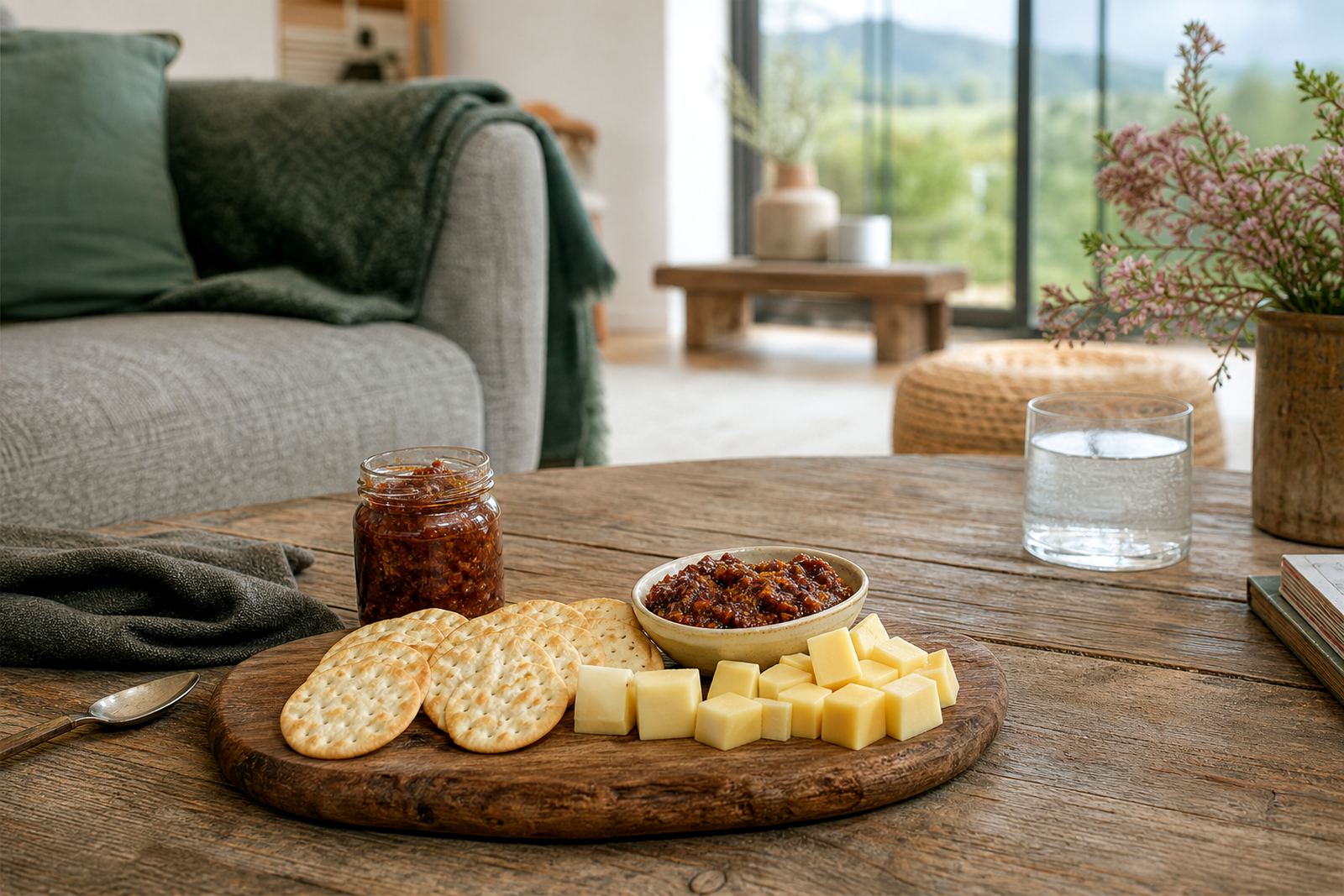
- Combine with olives, herbs, cheese and roasted peppers for a simple snack board.
If you are cooking for a larger group, sun-dried tomatoes are easy to portion and simple to scale up. That is one reason they suit catering trays, wedding nibbles and corporate platters so well.
Pickles, Preserves and the Balance of Sweetness and Sharpness
Although people often group sun-dried tomatoes and pickles together, they bring different qualities to a kitchen. A pickle preserve is usually valued for its sharpness, crunch and ability to brighten heavier dishes. The acidity gives the food a lift, while the preserved vegetables add colour and texture.
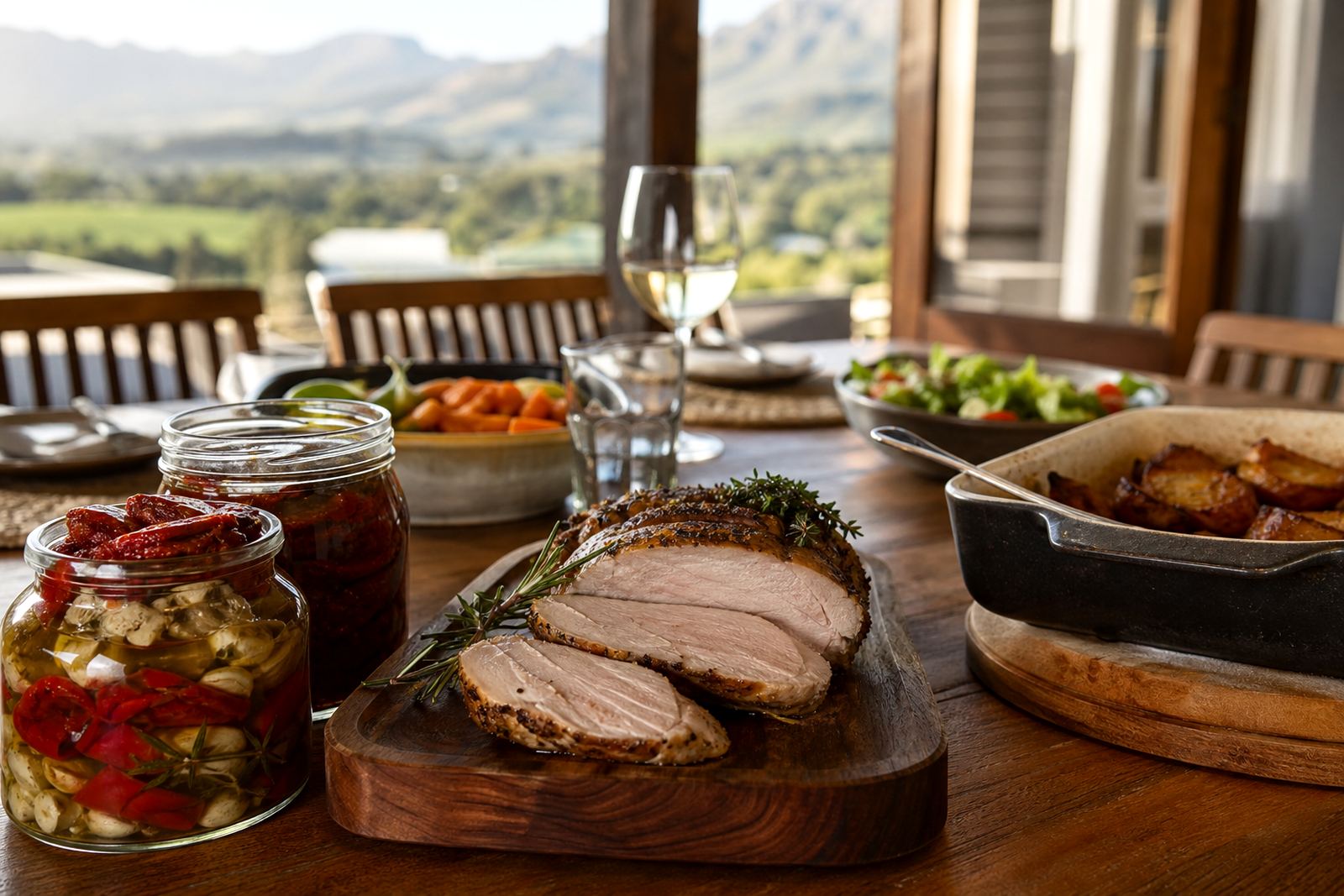
In South African cooking, that balance is handy. A rich braai plate, a roast sandwich or a creamy salad can benefit from a spoonful of pickle on the side. In a lunchbox or event tray, a pickle also helps break up richer flavours. It can be served in small amounts and still make a clear difference to the final plate.
The best use comes from matching the preserve to the dish. Sun-dried tomato brings depth, while pickle brings contrast. Together they cover a lot of ground in home kitchens, hospitality menus and gift hampers. It is a simple pairing, but it gives cooks options when they want something beyond ordinary relishes.
A Paarl Example: From Farm Produce to Kitchen Shelf
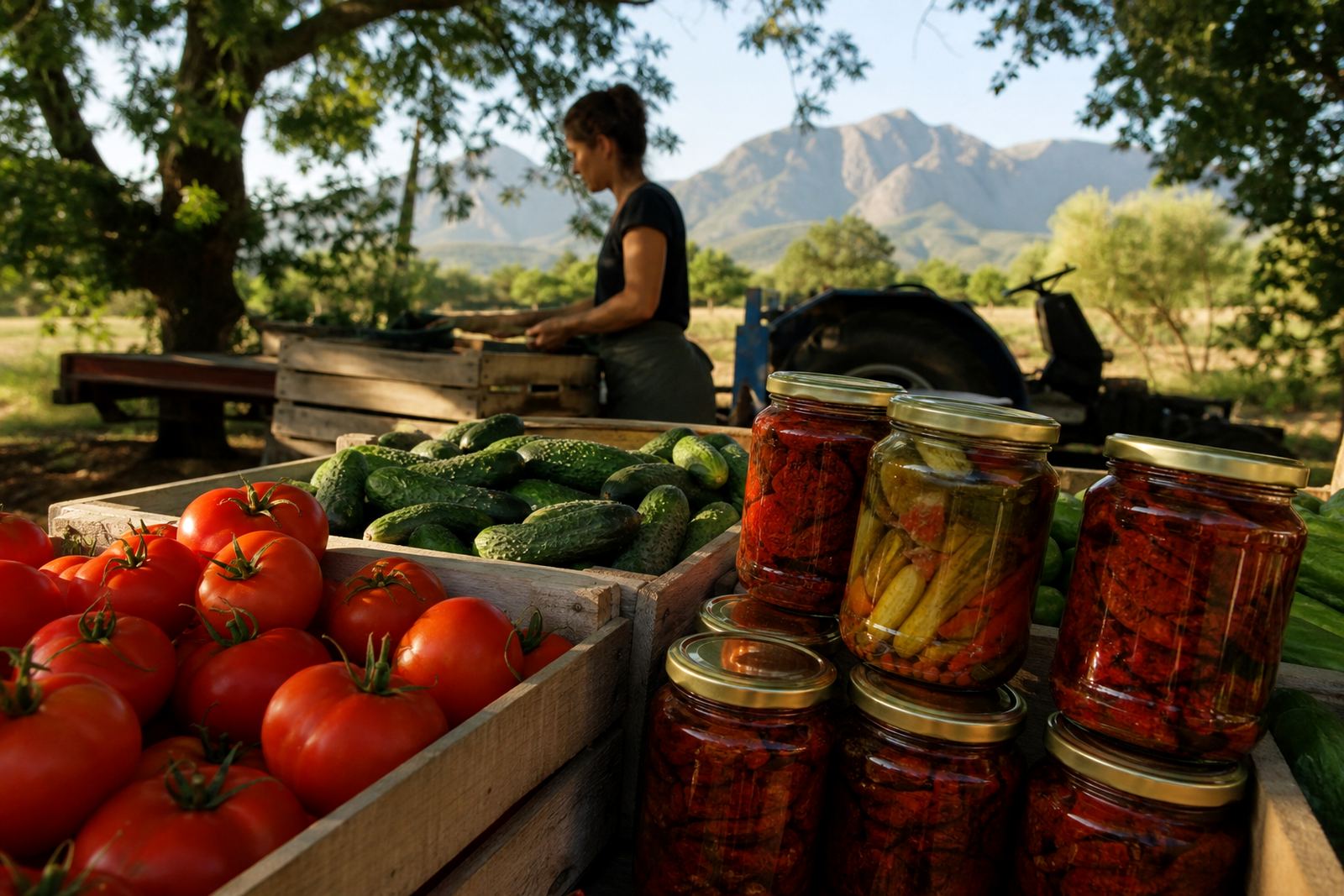
In the Western Cape, especially around Paarl and the surrounding farm areas, produce can move quickly from field to processing when conditions are right. Warm weather and dry air are helpful, but the real work is in sorting, preparing and drying the produce properly. A tomato needs to be selected carefully, sliced to the right thickness and handled cleanly before it is dried and packed.
That local approach matters because the final jar reflects the starting ingredient. If the produce is good, the preserve has a better chance of keeping a clear flavour and a reliable texture. For customers in Cape Town, Stellenbosch, Somerset West, Johannesburg, Pretoria, Durban and Gqeberha, the benefit is simple: a pantry item that travels well by courier and still feels like a kitchen ingredient, not just a shelf item.
For home cooks, the appeal is practical. You can keep a jar on hand for quick dinners, weekend entertaining or gift giving. For caterers and stockists, the same product can be used across menus and retail shelves with less fuss than fresh produce that needs to be used immediately.
Choosing the Right Preserve for the Dish You Have in Mind
If you are deciding how to use a sun-dried tomato or pickle preserve, start with the dish, not the jar. Ask whether the recipe needs depth, sharpness, bite or colour. That will usually point you in the right direction. Sun-dried tomato suits creamy, baked or savoury dishes where you want lasting flavour. Pickle suits richer foods and cold dishes where you want contrast.
It also helps to think about how the ingredient will be served. A wedding snack table needs something easy to spoon or spread. A corporate hamper needs jars that feel useful at home. A family supper needs a preserve that can be opened, used once and returned to the fridge without wasting anything. That is where well-made sun-dried and pickled preserves earn their place in the kitchen.
Used well, they save time and add character without asking for much extra effort. That is the real value of sun-drying and preserving: turning fresh farm produce into something that cooks with you, not against you.