
Why Pickles Belong on the Roast Table
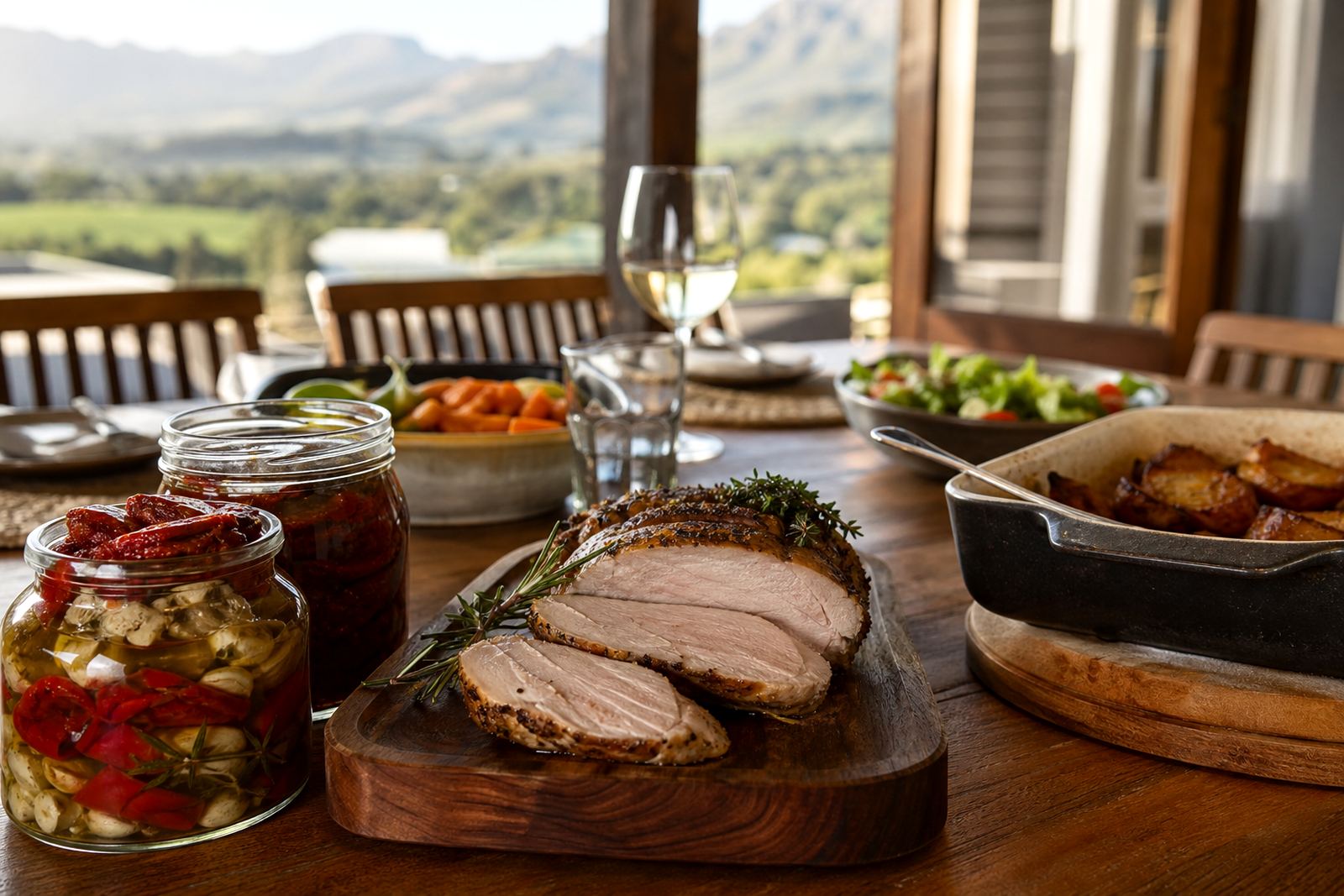
Roast dinners often lean rich and full bodied, especially when there is gravy, fatty meat or buttery potatoes on the plate. Pickled vegetables bring a bright, tangy note that helps the whole meal feel lighter without changing what you cooked. That balance is the reason so many home cooks reach for a jar when the meat comes out of the oven.
In a South African home, this can be as simple as serving pickled onions beside lamb, sliced gherkins with cold roast chicken, or chopped pickled veg folded into leftover beef rolls the next day. The point is not to mask the roast but to give it contrast. A spoonful on the side can make the rest of the plate taste sharper and more complete.
How to Match Pickles With Different Roasts
Not every pickle suits every roast. The trick is to think about the weight of the meat and the sauce. A heavy beef roast with dark gravy can handle a stronger, more punchy pickle, while chicken or pork often works better with something a little softer and sweeter. Smoked roast meats pair well with pickles that have onion, garlic, dill or mustard seeds in the mix.
- Beef roast: Try chunky pickled onions, mixed vegetables or sliced cucumber pickle.
- Lamb: Tangy tomato pickle or sharp onion pickle works well with minty sides.
- Chicken: Use milder pickles, especially with mayo-based sandwiches the next day.
- Pork: Sweet and sour pickle notes suit crackling and apple-style side dishes.
If you are serving a roast in summer, keep the pickle selection lighter. In winter, you can bring more intensity to the table because the meal usually feels slower and fuller. In both cases, the jar on the table should support the roast, not fight with it.
Simple Ways to Serve Pickles Without Overthinking It
Pickles do not have to be arranged into anything fancy. A small bowl on the side is often enough. Still, there are a few easy ways to make them feel part of the meal instead of an afterthought. Spoon a little pickle relish over carved meat, layer sliced pickles into sandwiches, or chop them finely into a potato salad that sits beside the roast.
If you are cooking for a family lunch in Paarl, Cape Town or Somerset West, where people often arrive at different times, pickles are useful because they hold well on the table. They do not need to be heated, and they can sit next to the roast while you finish the rest of the meal. That makes them practical for load-shedding days too, when timing can be a bit off and the oven may already be doing enough work.
- Serve whole pickles in a small bowl with serving tongs or a spoon.
- Chop them into potato salad, egg salad or coleslaw.
- Use a spoonful in rolls with sliced leftover meat and mustard.
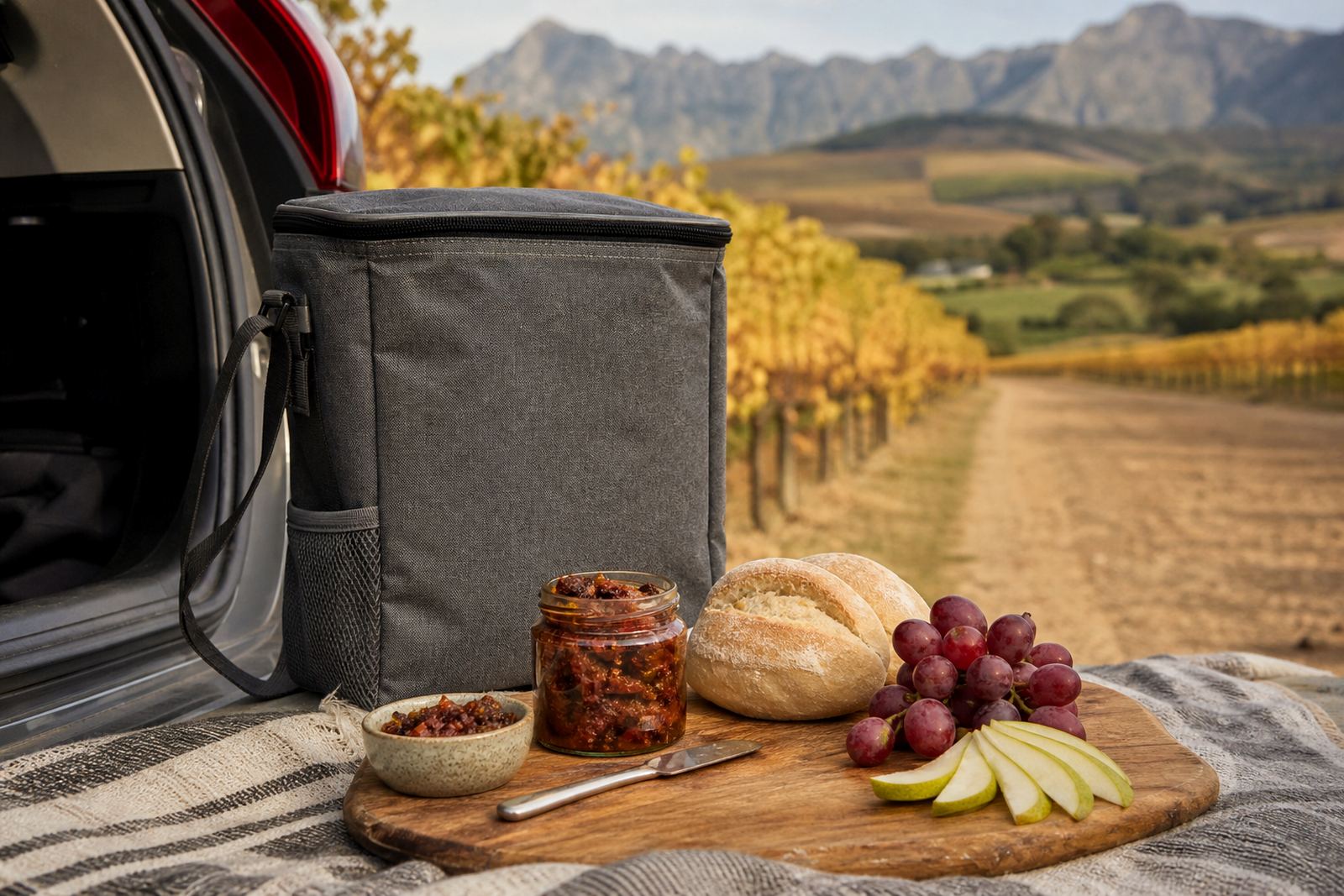
- Add them to a cheese board if the roast is part of a bigger spread.
Leftover Roast Meals That Need a Pickle Lift
Leftovers can sometimes taste flat the next day, especially when the meat has cooled and the gravy has thickened in the fridge. Pickles help wake everything up. A sliced roast beef sandwich with pickle and mustard is a classic for good reason, while leftover chicken with chopped tomato pickle and lettuce makes a strong lunchbox option. Even cold roast potatoes can be improved with a spoon of pickle relish on the side.
For a quick supper, shred leftover roast and toss it through rice with a little pickle juice, chopped herbs and fried onions. You can also add diced pickled vegetables to mayonnaise for a simple dressing over cold meat and salad leaves. That kind of cooking is practical, not precious, and it works especially well when you want to stretch one roast into two meals without it feeling repetitive.
- Beef: sandwich, wrap or toasted roll with pickle and mustard.
- Chicken: salad bowl with chopped pickles and leftover roast pieces.
- Lamb: cold slices with pickled onion and roast veg on the side.
- Pork: crackling bits, slaw and a sharp pickle relish.
What to Look for in a Good Jar
When you buy pickles for roast dinners, look for flavour that feels balanced rather than one note. You want enough acidity to cut through the roast, but also enough seasoning and vegetable texture to stand up on the plate. A good jar should taste clean, savoury and ready to serve straight away.
It also helps if the pickle matches the way you cook at home. If your roast dinners are slow cooked and full flavoured, choose a pickle with more bite. If you prefer simple roast chicken or gammon with soft vegetables, a gentler preserve may suit better. In a place like Durban or Gqeberha, where many households cook for warm weather meals and easy family gatherings, a bright pickle can do the job without making the plate feel too heavy. That little balance makes a big difference.
Serving Pickles for Gatherings, Hampers and Sunday Lunch
Pickles are useful beyond the Sunday table. They make a practical addition to gift boxes, wedding orders, hospitality supply and bulk food orders because they are easy to portion and easy to understand. People know what to do with them. That is why they work well for braais, roasts, office lunches and family functions where the menu needs one or two reliable extras.
At home, a roast spread does not need much more than one good protein, a starch, a vegetable and a pickle. That simple setup is common in many South African kitchens, from Johannesburg flats to Stellenbosch homes and farm tables around Paarl. If the roast is rich, the pickle brings the plate back into balance. If the meal is leftover heavy, the pickle gives it a fresh start. It is a small addition, but it pulls its weight.
- Good for Sunday lunches and holiday meals.
- Handy for next-day sandwiches and quick suppers.
- Easy to serve with cold meats, salads and rolls.
- Useful in hampers for people who enjoy cooking at home.