Flavour Starts at the Farm Gate
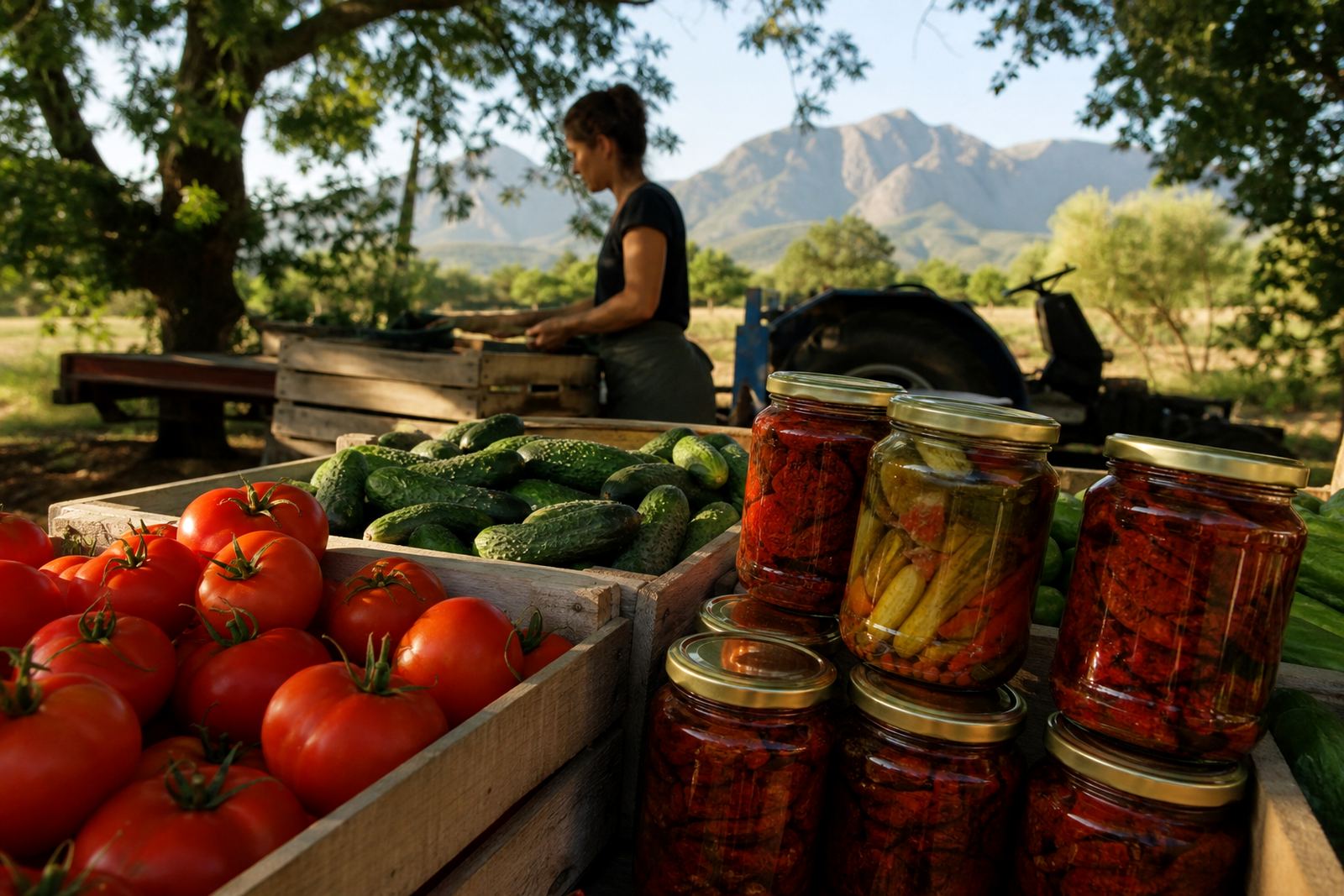
When produce is grown close to where it is processed, there is more room to choose for taste, texture and ripeness. A tomato meant for sun drying should be firm, full flavoured and handled quickly after harvest, while cucumbers and other pickling ingredients need to be crisp and consistent. That kind of selection is easier when the team knows the growers, the season and the conditions on the day.
In practical terms, local sourcing helps a preserve hold its character. A jar made from well picked farm produce can taste cleaner and more balanced in a sandwich, pasta sauce, dip or platter. The ingredient list stays simple, but the flavour carries more weight because the raw product started well. For a food business in Paarl, that matters every day, not just at harvest time.
- Shorter transport times help keep produce in better condition for sorting and processing
- Local harvesting gives more control over size, ripeness and flavour profile
- Good produce makes it easier to keep each batch consistent from one order to the next
Seasonality Keeps the Kitchen Honest
Seasonal sourcing encourages better decisions in the kitchen. Instead of forcing the same style all year, the production team works with what the farms are bringing in at that point in the season. That can mean a firmer tomato in cooler months, or a different balance in a pickle batch when cucumbers are abundant and at their best.
This is useful for home cooks too. Seasonal preserves tend to fit naturally into everyday meals because they match what is being cooked locally. In summer, a tomato preserve can be used with grilled chicken, fresh bread or roast vegetables. In winter, the same jar can lift a tray bake, a stew or a hot breakfast. Local produce keeps the flavour close to the South African table, where meals change with the weather and the pantry has to work hard.
For a business like Cumato, seasonality is not a slogan. It is a planning tool. It informs which farm areas are harvested first, how batches are scheduled and how much stock is held for courier orders going to Cape Town, Johannesburg, Pretoria, Durban and Gqeberha.
Why Local Buying Supports Practical Food Quality
Local sourcing is about more than supporting nearby farms, although that matters too. It also gives a preserve maker a better grip on quality control. When produce arrives from farms across South Africa, it can be inspected more closely for size, freshness and suitability before it goes into production. That saves time later and helps reduce waste.
There is also a simple kitchen benefit. Ingredients that are closer to home are often easier to trace back to the field, which makes conversations with growers more direct. If a batch needs a different cut size, a firmer harvest or a shift in timing, the feedback loop is shorter. In a Paarl facility, that kind of relationship keeps the work grounded and practical, especially when load shedding or courier schedules require careful timing.
- Clearer communication with growers about harvest timing
- More control over batch planning during busy seasons
- Less wasted produce because the ingredient is matched to the right use
- Better day to day handling for products that depend on texture
A Paarl Example: Tomato Preserve for Everyday Cooking
Take a simple local example. A sun dried tomato preserve made in Paarl can be used in a pasta dish with garlic and olive oil, spread on toasted bread with cheese, or spooned over roast vegetables. The point is not to overpower the meal, but to bring a concentrated South African tomato flavour into it. That flavour starts with the farm produce and continues through careful drying, seasoning and packing.
Because the preserve is made from local produce, it suits the way many South African kitchens cook. Meals are often built from what is available, what is quick, and what can stretch across lunchboxes, family dinners or entertaining. A jar on the shelf becomes useful in more than one way. For a cook in Somerset West or Stellenbosch, it might be a midweek shortcut. For a caterer in Johannesburg, it may be part of a platter or event menu. For a family in Durban, it can be one more reliable flavour to reach for when time is short.
Pickles, Plattters and the Value of a Good Crunch
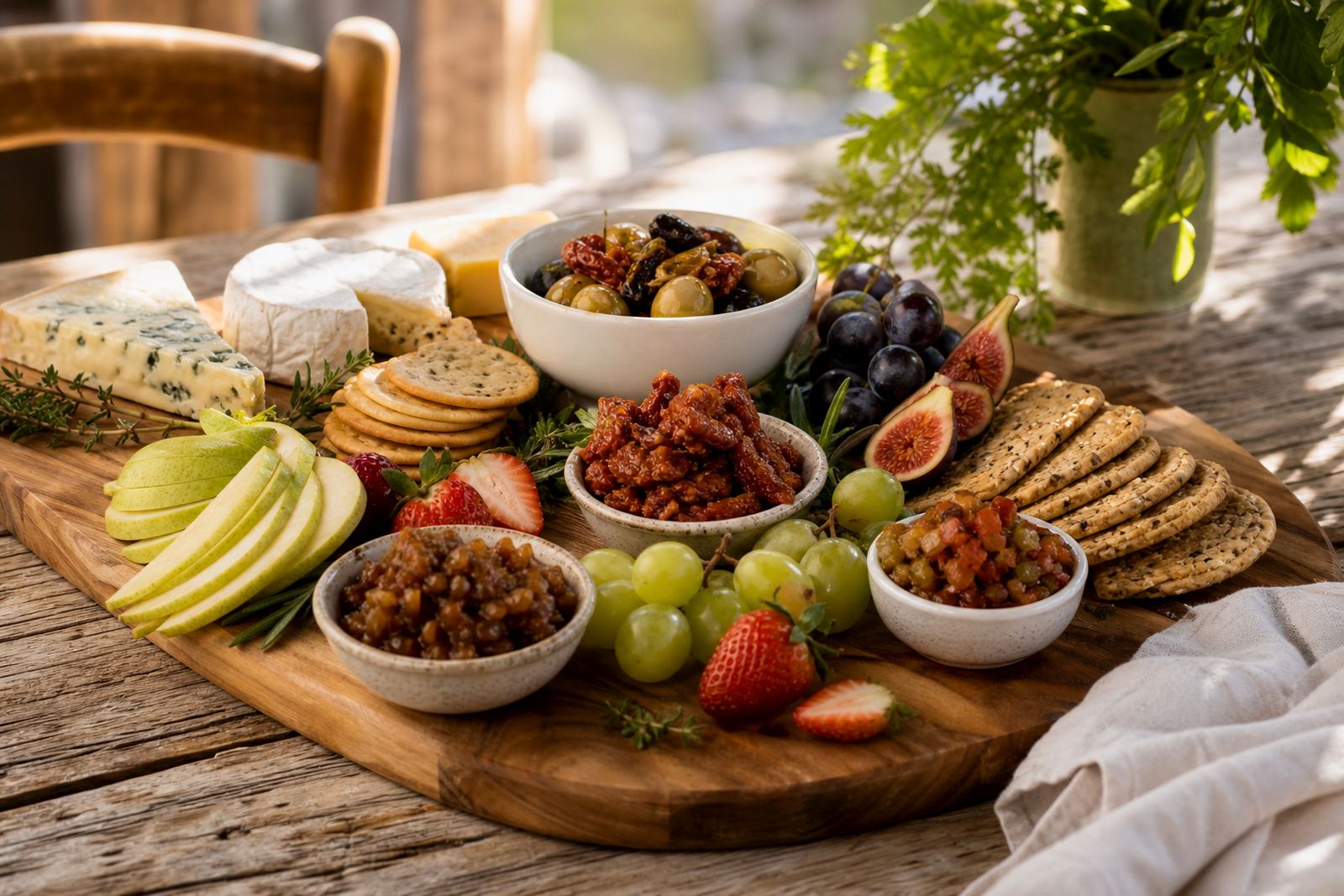
Pickle preserves rely on a different set of qualities. The vegetables must stay crisp enough to carry through packing and delivery, with flavour that cuts through richer foods. Local sourcing helps here because produce can be selected for that exact purpose rather than for long storage or export handling. The result is a pickle that works well on sandwiches, with braais, on cheese boards or beside a curry.
In South African kitchens, texture matters as much as taste. A good pickle adds bite to a meal that might otherwise feel heavy. It can sharpen a snack board, brighten a lunch box and give a plated dish a better finish. When the produce is local, the final product often feels more grounded in everyday cooking, not only in special occasion food.
- Use pickles with cold meats, eggs, cheese and roast potatoes
- Add a spoonful to salads for sharper flavour
- Serve alongside braai meat or vetkoek fillings for contrast
- Keep a jar ready for quick lunches and guest platters
From Farm Produce to Courier Box
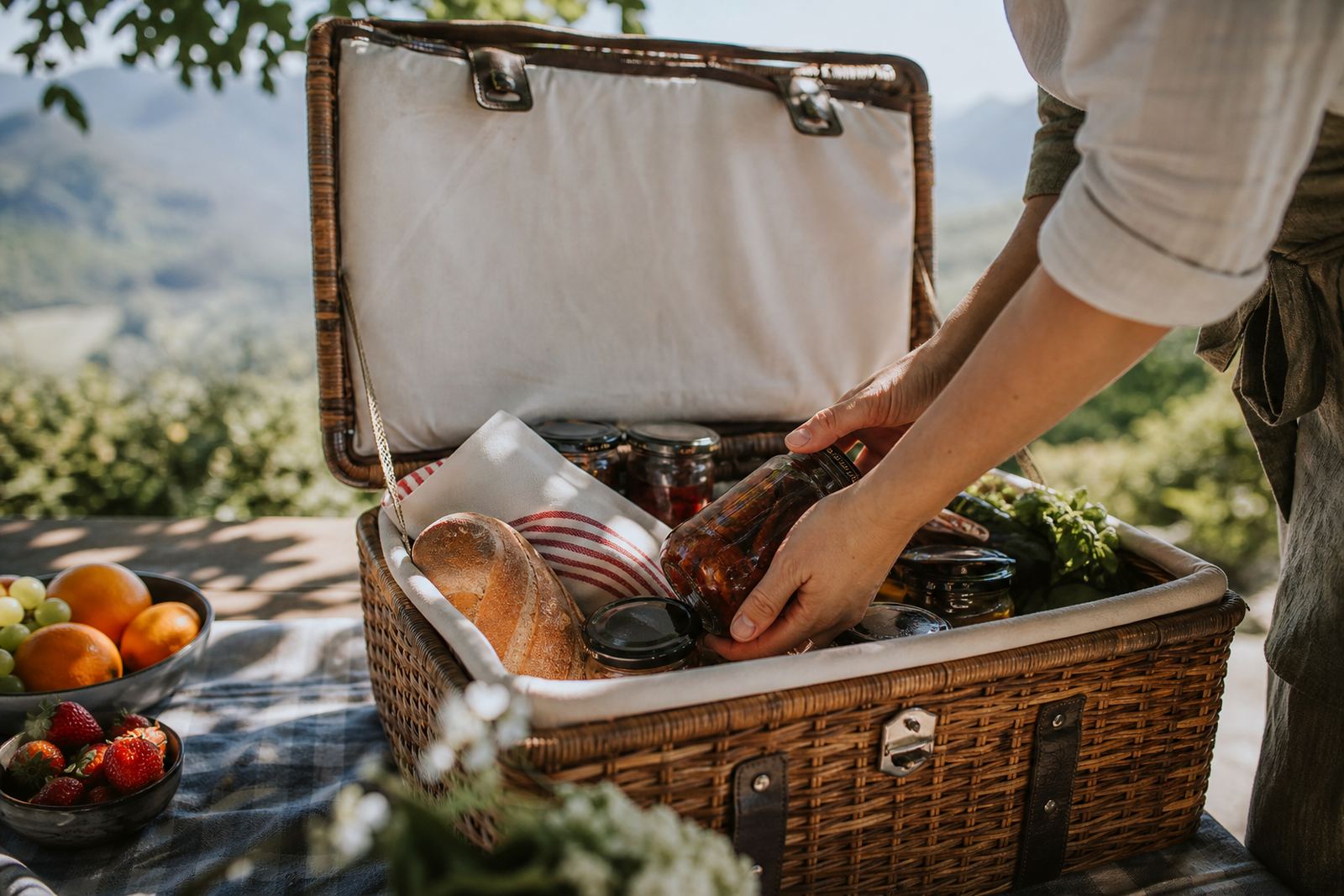
Once a preserve is packed, local sourcing still matters because it supports a clearer supply chain. Cumato works from Paarl and sends orders by courier across South Africa, including Cape Town, Johannesburg, Pretoria, Durban and Gqeberha. That means the product needs to travel well, arrive in good condition and be ready for homes, gifting and hospitality use.
For customers, the benefit is straightforward. A jar or hamper ordered through the enquiry form can move from local farm produce to finished preserve to nationwide delivery without losing the practical value of the ingredient. Whether the order is for online shopping, gift boxes, custom hampers, event favours, corporate gifting, bulk stock or subscription boxes, local sourcing helps keep the offer focused and reliable.
At Cumato, the team led by Marius van der Merwe keeps the work tied to the farms, the seasons and the kitchens that use the product. That is why local produce matters. It shapes flavour, supports better planning and gives South African cooks something useful, not just something pretty on a shelf.