
Start With the Kind of Spread You Are Serving
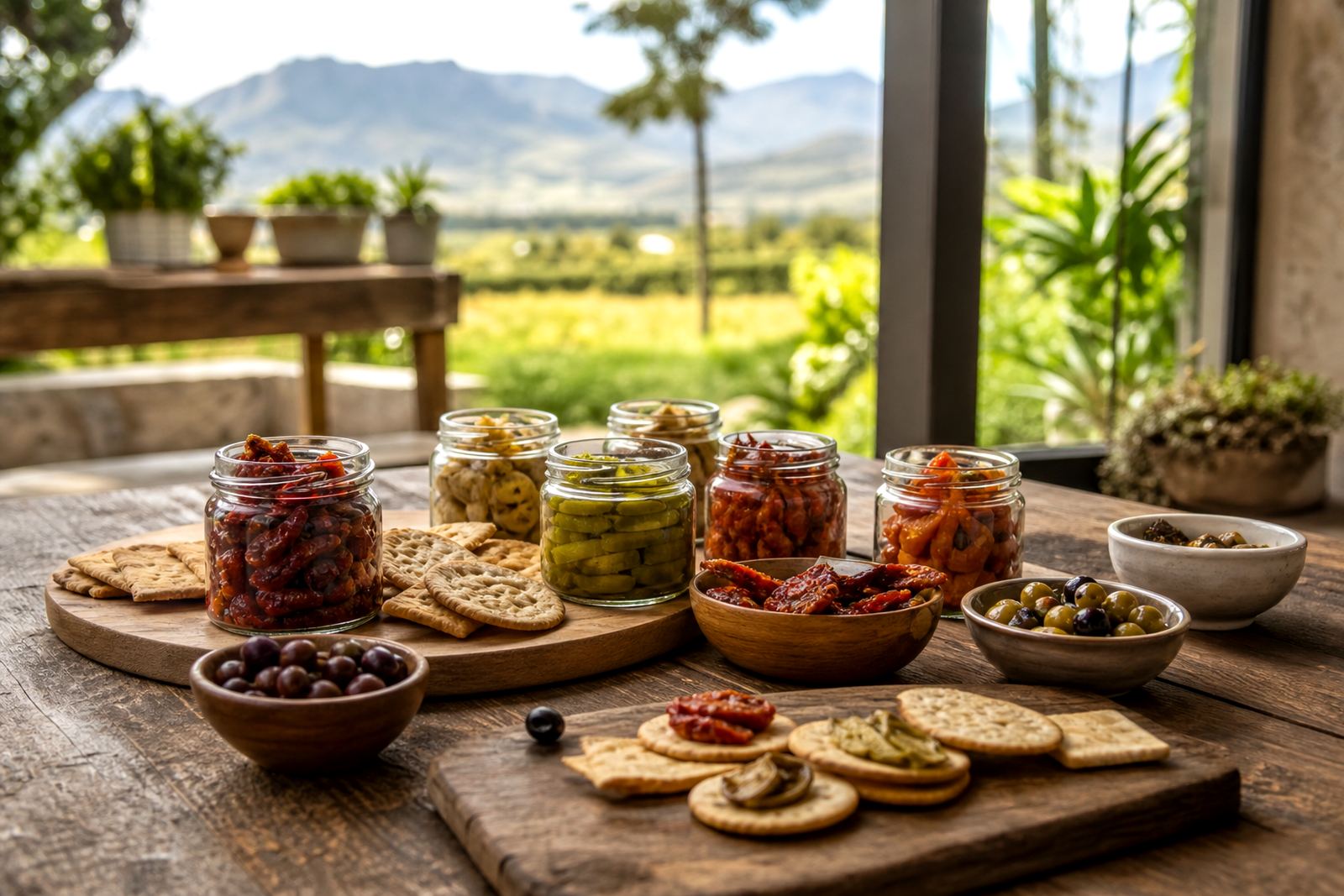
The first question is not how many guests are coming, but how the food will be served. A sit-down brunch with eggs, breads and spreads needs fewer jars per person than a grazing table where everyone helps themselves for a long stretch. For a short, formal meal, plan on 1 jar for every 8 to 10 guests. For a relaxed grazing table, plan on 1 jar for every 5 to 6 guests, especially if the preserves are part of the main display.
If you are hosting in Paarl, Stellenbosch or Somerset West during warm weather, keep the table shaded where possible. Jars on a buffet tend to be opened earlier and left out longer, so it helps to have a backup set in the kitchen. That way you can top up quickly if the first round goes fast.
Use Guest Count and Menu Style to Work Out the Order
A simple quantity guide saves waste and avoids running out halfway through service. Think about how many different dishes will use the preserves. One jar can stretch a long way if it is used as a topping on only one platter, but it goes quicker when offered beside cheese, cold meats, breads and savoury pastries.
- 8 to 12 guests: 2 jars if the preserve is one of several sides
- 15 to 20 guests: 3 to 4 jars for a mixed brunch or light braai table
- 25 to 35 guests: 5 to 7 jars for grazing tables, platters or larger family gatherings
- 40 plus guests: add 1 extra jar for every 6 to 8 guests if the table will be served over several hours
For corporate breakfasts in Cape Town, Johannesburg or Pretoria, it is usually better to order one jar more than your estimate. Meetings run late, people come back for seconds, and a small buffer is easier than scrambling for extra stock on the day.
Brunches Need Smaller Portions but More Variety
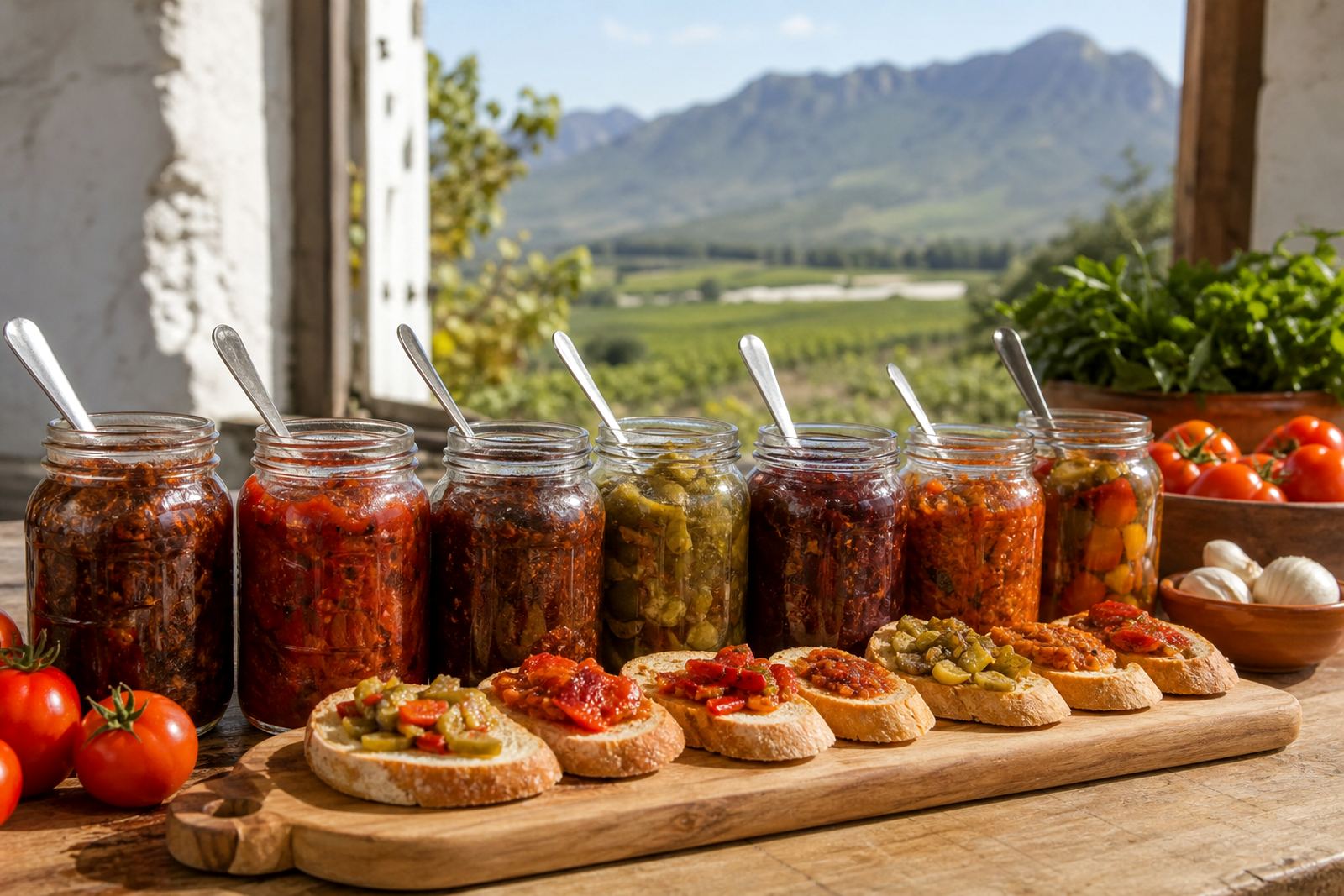
At brunch, preserves are usually one part of a broader table. Think toast, scones, eggs, savoury muffins, cheese and fresh fruit. In this setting, one jar can do quite a bit of work because guests only take a spoonful or two. If you are serving 10 people, 2 jars is usually enough. For 16 to 18 people, 3 jars gives you a bit of breathing room and lets you offer two flavours side by side.
When planning a brunch at home or for a guesthouse in Gqeberha, include one jar for each main serving station. That makes the table neater and stops everyone reaching across the spread. If you are adding preserves to plated breakfasts, 1 jar can usually cover 10 to 12 portions depending on the garnish size and how generously you spoon it on.
- Use smaller spoons for plated service so the jars last longer
- Place one jar near breads and one near cheeses if the table is large
- Keep a spare jar chilled and unopened until needed
Braais Need a Slightly Heavier Hand
Braais are more casual, and people tend to sample several items over a longer period. That means your preserves may be used with sausages, chicken, boerewors rolls, grilled halloumi, flatbreads or cold side dishes. For a small braai of 8 to 10 guests, 2 jars is a practical starting point. For 15 to 20 guests, 4 jars is usually safer, especially if the table is on the side and people keep moving back to it.
If you are hosting outdoors in Durban or coastal parts of the Western Cape, keep the jars out of direct sun and away from the braai heat. Warm weather can make a table feel busier than it is, and people often take extra before food runs low. Having a reserve jar ready in the kitchen or prep area helps when the first one empties sooner than expected. A little extra is better than a half-finished spread, plain and simple.
Grazing Tables and Hampers Need Display Quantities
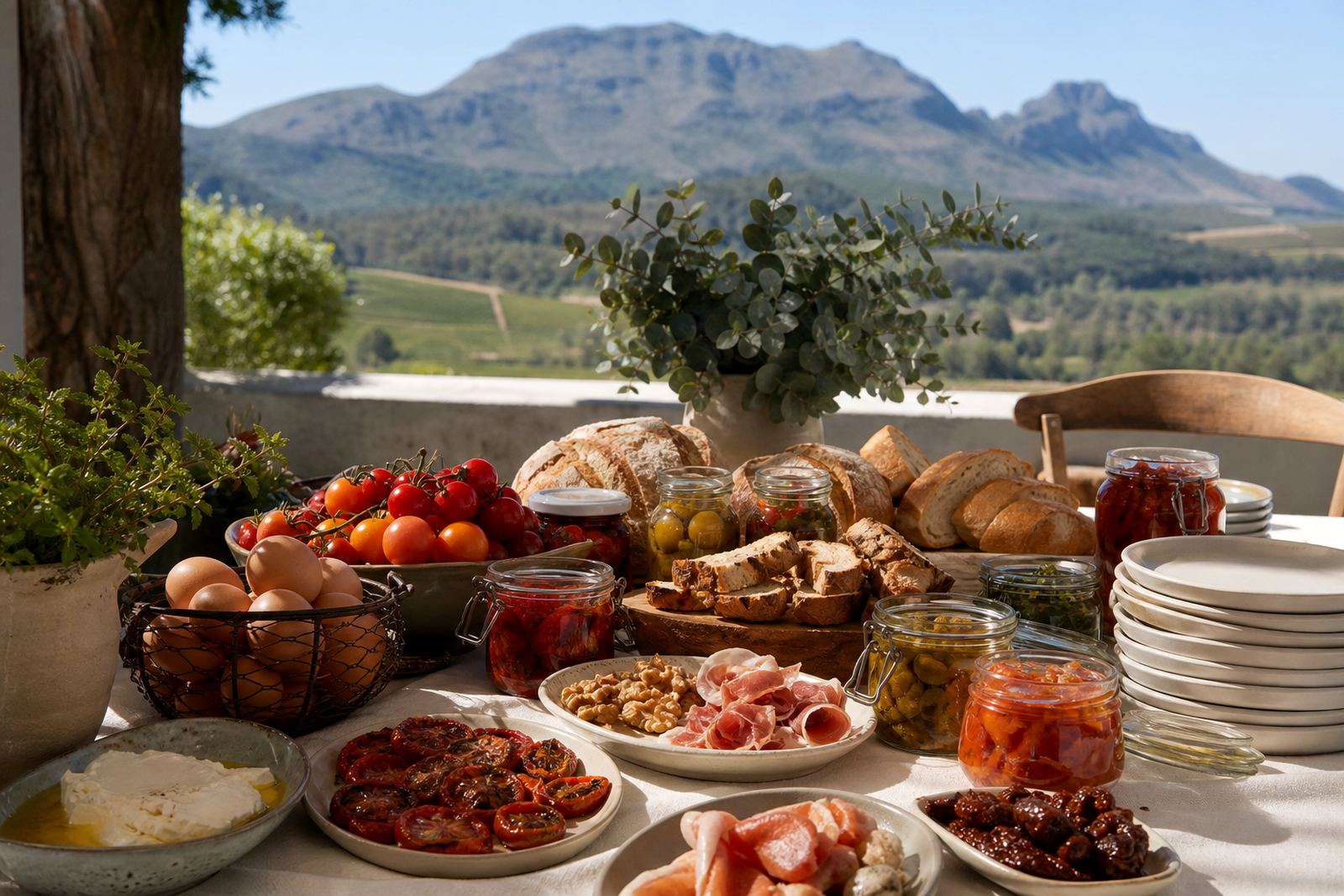
Grazing tables are about visual balance as much as food quantity. Here, jars are often part of the display itself, so you need enough to fill the table without crowding it. For a medium grazing table serving 20 to 30 guests, plan on 4 to 6 jars. For larger events, 1 jar per 4 to 5 guests gives enough coverage if the jars are placed in more than one section.
If you are building a wedding table, event favour table or corporate gifting order, separate the quantity into two parts: what will be opened for service and what will stay sealed as backup or gifts. That makes it easier to manage stock and presentation on the day. For event setups in venues around Paarl or Stellenbosch, it also helps with load-shedding planning because you can arrange the table ahead of time and open jars only when the guests arrive.
- Count the table sections, then place 1 jar per section as a minimum
- Add extra jars if the preserves are part of the main colour and styling
- Keep unopened jars in labelled boxes for quick refills
A Simple Ordering Checklist Before You Buy
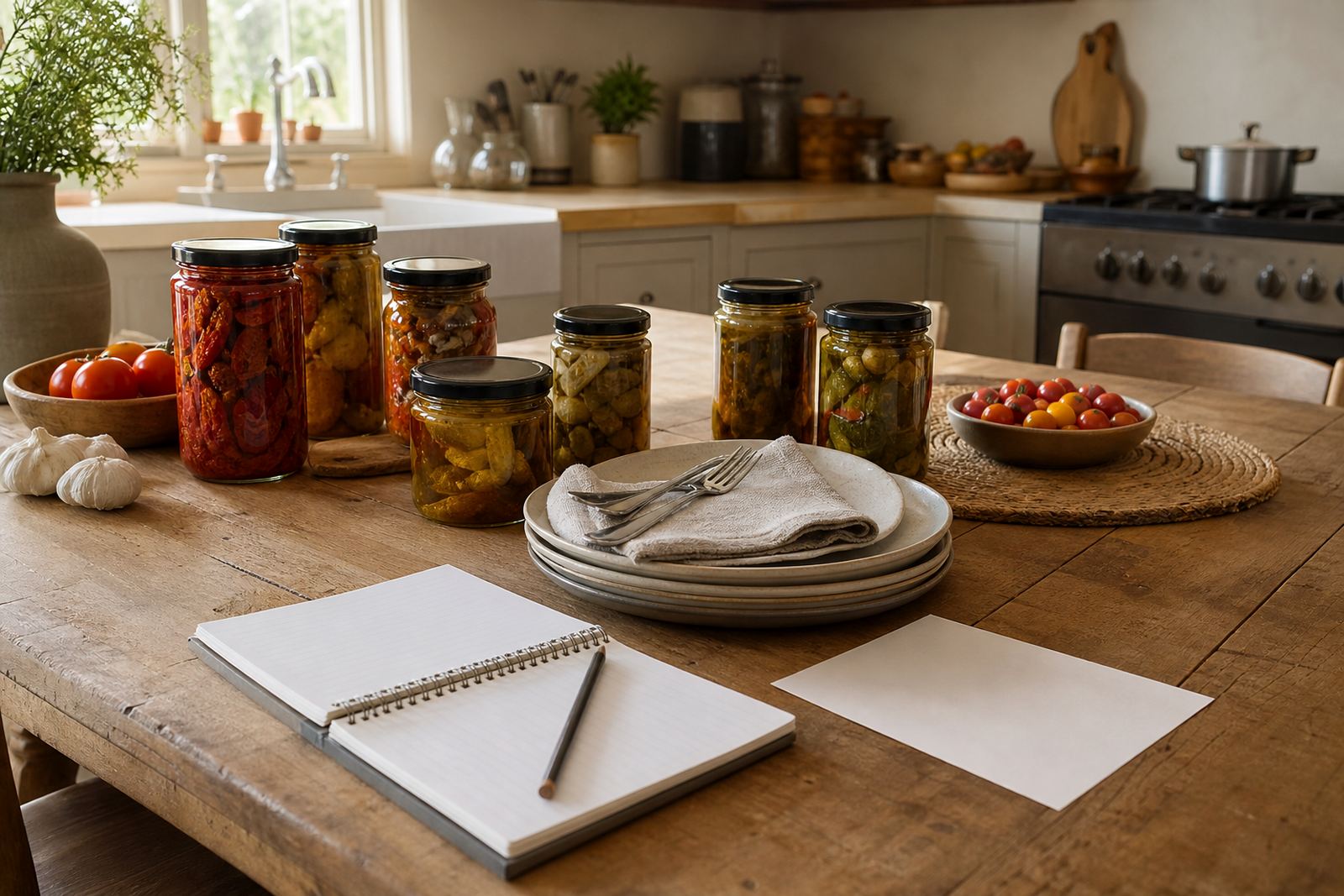
Before you place your order, run through a short checklist so you do not underbuy or overbuy. Start with the guest count, then decide whether the preserves are a main feature or a side. Next, look at the number of serving points and how long the food will stay out. A two-hour brunch needs less than a full afternoon grazing table.
It also helps to think about who is serving. A home cook may be able to stretch one jar further than a caterer because the portions are smaller and more controlled. If you are ordering for hospitality supply, stockist enquiries or subscription boxes, build in an extra unit for last-minute demand. That buffer matters when deliveries are going to Cape Town, Johannesburg, Pretoria, Durban or Gqeberha and the event date cannot shift. When in doubt, order one more jar than you think you need and you wont regret it later.
- Guest count confirmed
- Menu style decided
- Number of serving points noted
- Indoor or outdoor service checked
- Backup jar set aside