
Start with a Mixed Jar Selection
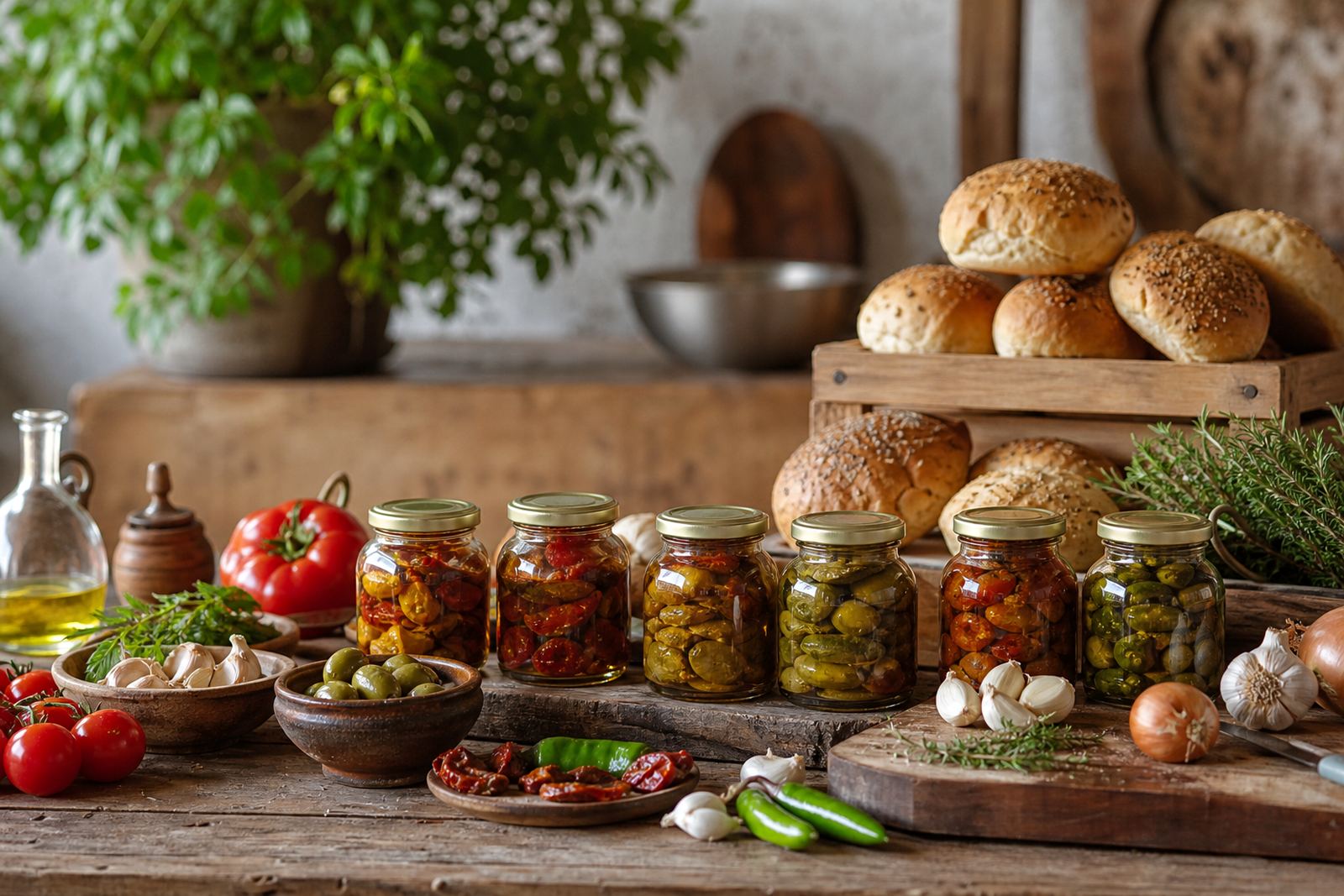
A good starter pack should give you a balance of sweet, savoury and sharp flavours. At Cumato, that usually means a mix of sun-dried tomato preserves and pickle preserves so you can see how each one behaves in the kitchen. In a Paarl home kitchen or a busy catering prep area, this makes it easier to match the right jar to the right meal.
Begin with small jars if you are tasting for the first time. That way you can sample them on bread, in salads, with roasted vegetables or alongside cheese before committing to larger quantities. A small pack also works well for gifting, especially when you want something practical and local.
- Choose at least one tomato preserve and one pickle preserve
- Pick a mild option if you are unsure about sharper flavours
- Include a jar that suits warm dishes and one for cold platters
- Check the pack size against how often you cook at home
How to Taste Them Properly at Home
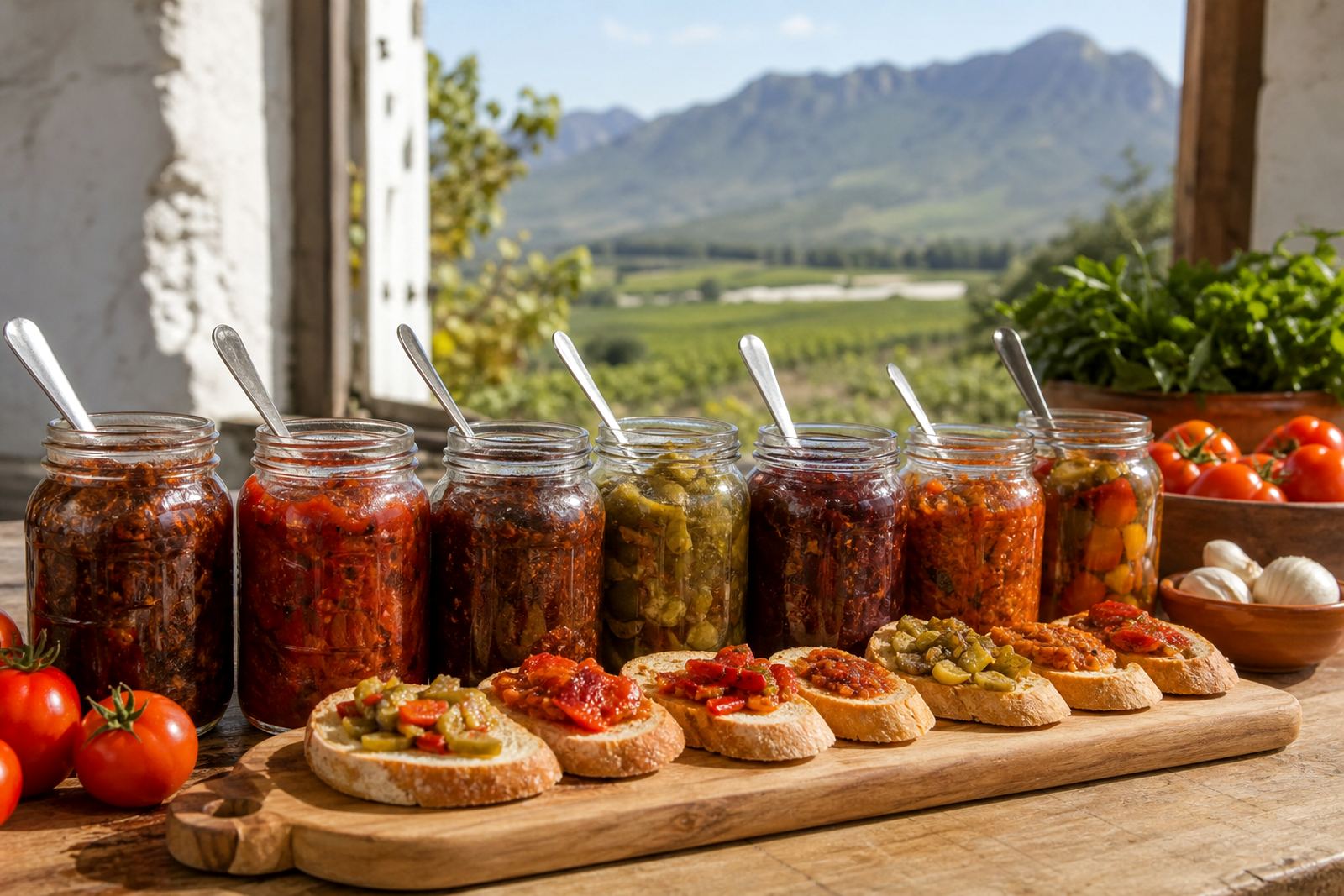
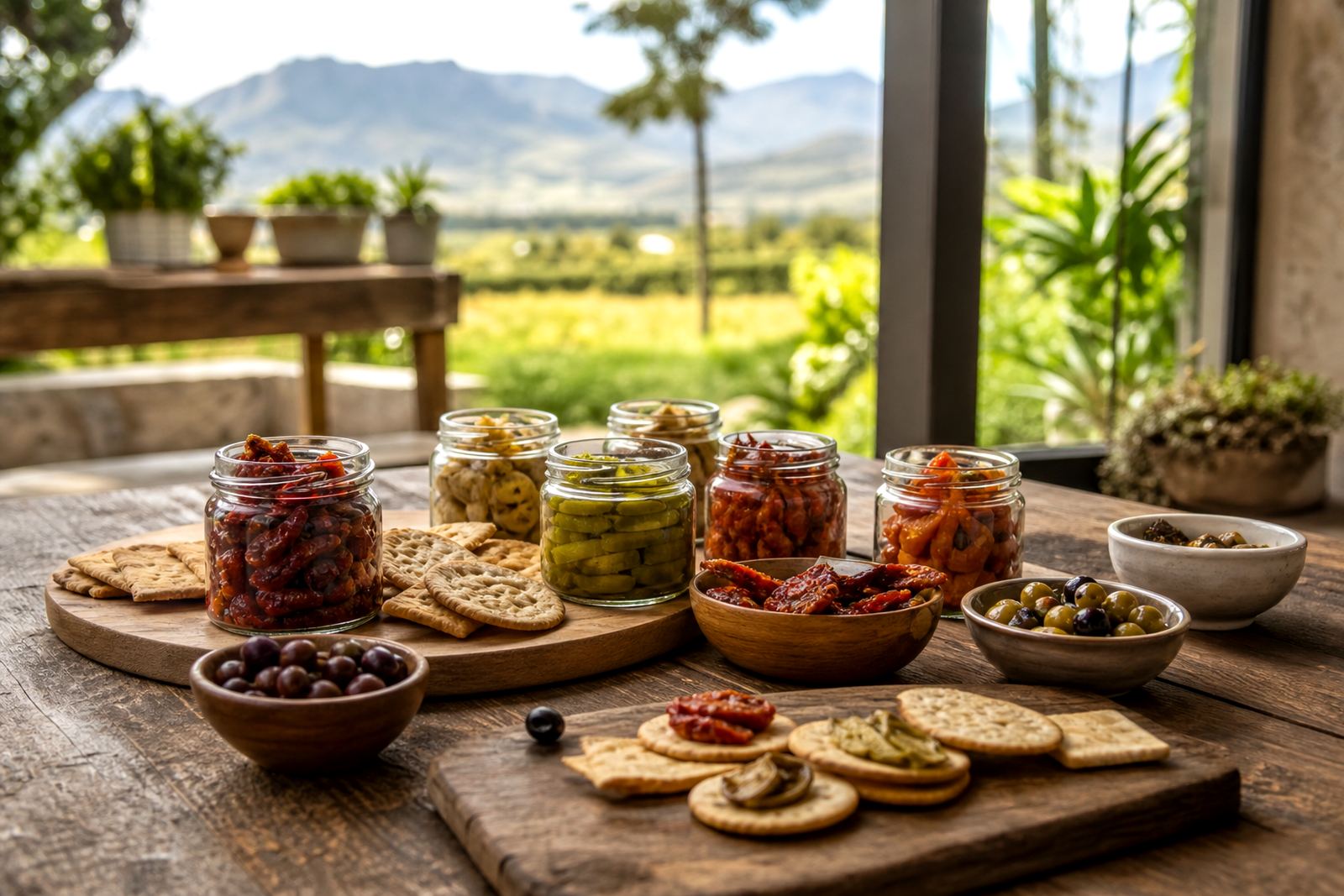
When you open a jar, spoon a little onto plain crackers, toasted bread, or a slice of fresh bread with butter. This gives you a clean taste of the preserve without too many other flavours getting in the way. Taste the tomato preserve first, then the pickle preserve, so the brighter pickle notes do not overpower the softer tomato base.
If you are sharing with family, set out a few simple pairings and let everyone compare. A slightly sweeter tomato preserve may suit sandwiches and pasta while a more tangy pickle preserve can work well with cold meats, boiled eggs or cheese. Keep a notebook if you like, because it is easy to forget which jar was the favourite after a busy supper.
- Taste on plain bread or crackers first
- Try the jars at room temperature for the clearest flavour
- Compare one spoonful at a time
- Write down what you would use each jar for
Easy Ways to Use Each Jar in Everyday Meals
Once you know the flavour profile, use the jars in quick meals you already make. Sun-dried tomato preserves are handy in pasta, on pizza, stirred through rice, or spread on toast with soft cheese. They can also lift a chicken wrap, a roast veg sandwich, or a simple tray bake for weeknight suppers.
Pickle preserves are useful when you need a sharper edge. Try them with burgers, braaibroodjies, potato salad, cold meats, savoury tarts or a cheese board. A small spoonful can brighten a lunch box too, and that helps when you are trying to make packed meals less ordinary. If you are cooking for guests, keep a jar near the table so people can add a little as they like.
For home cooks in Durban or Gqeberha, where heat and humidity can affect food prep, these preserves are easy to keep on hand for quick flavour without extra fuss. In Cape Town and Stellenbosch, they also work well for casual entertaining when you want something local and practical. Simple, really.
What to Look for on the Label Before You Buy
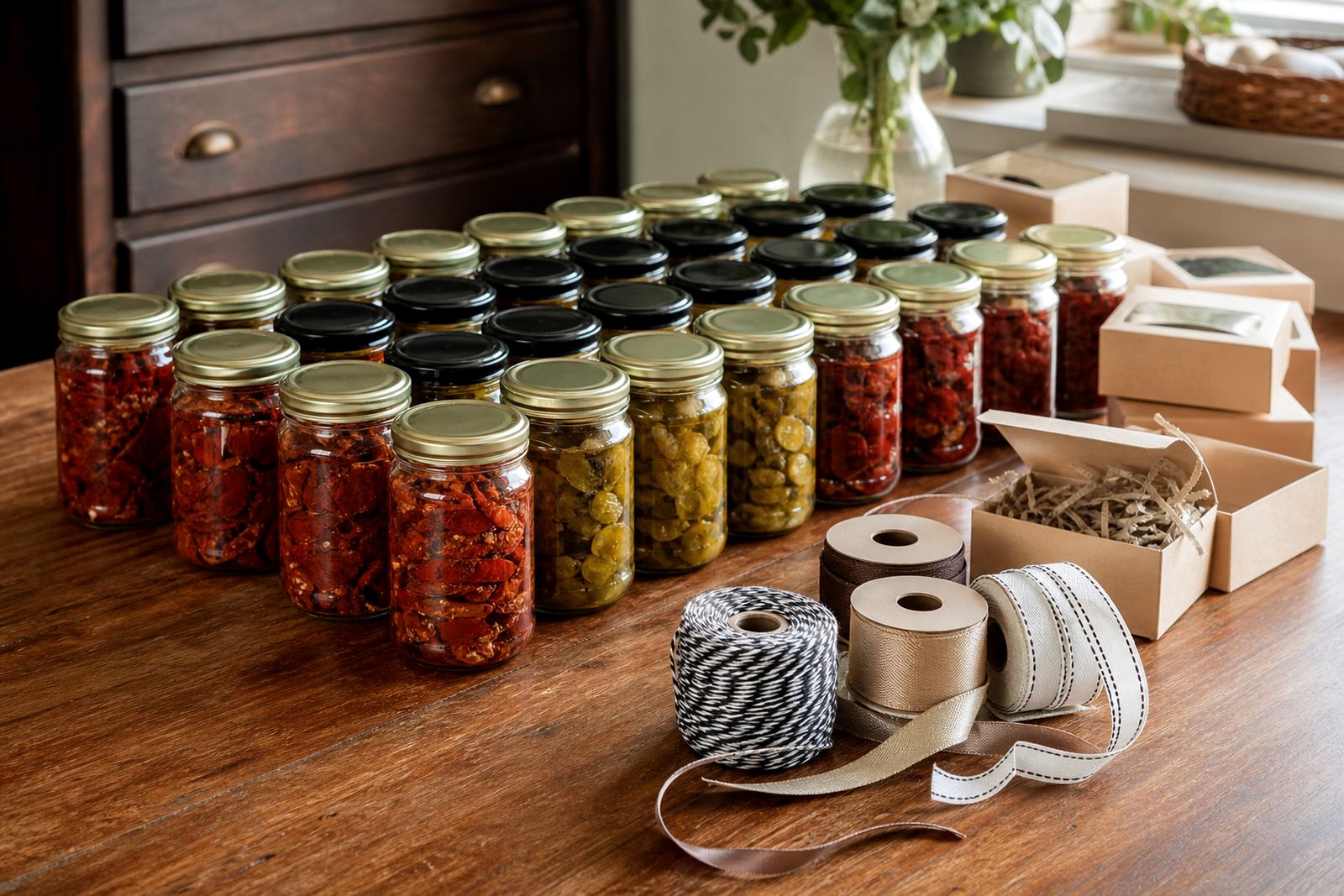
When you choose a starter pack, read the label carefully so you know what is in each jar and how best to use it. Look for the flavour name, jar size, ingredient list and storage instructions. If you are buying for a specific purpose, such as hospitality supply, wedding orders or corporate gifting, this helps you order the right mix from the start.
It is also worth checking whether the pack suits your storage space and how quickly you plan to use it. A household in Somerset West may keep a few jars for regular meals, while a corporate order in Johannesburg might need a larger selection for hampers or events. Matching the pack to the use case saves time later.
- Read the flavour name and jar size
- Check storage notes before placing the order
- Match the pack to home use, gifting or bulk needs
- Choose flavours that suit the meals you cook most often
Serving Ideas for the First Week
Keep the first week simple. Use one jar at a time so you can get to know it properly, instead of opening several and losing track of what you liked. A sun-dried tomato preserve can become the base for a quick pasta sauce, a sandwich spread, or a topping for baked potatoes. A pickle preserve may work best as a side condiment, a burger topping, or an added spoonful in a cheese toastie.
If you are planning meals around load-shedding, these jars are useful because they do not need much cooking. A quick plate of bread, cheese, sliced tomato and preserve can still feel organised when the power is off. That kind of everyday usefulness matters when you are trying to build a kitchen store cupboard that actually gets used.
- Open one jar at a time
- Use the first jar in a meal you already make often
- Keep a few plain sides ready for tasting
- Save the second jar for a different style of dish
Storage, Sharing and Reordering with Confidence
After opening, store the jar as directed and use a clean spoon each time. If you are serving at a family table or at a small event, decant only what you need so the rest stays neat and easy to manage. In coastal towns, pay attention to cupboard conditions and keep jars away from heat, windows and steam from the stove.
Many people start with one starter pack and then come back for the flavours they used first. That is often the simplest way to build a pantry without overbuying. If you are planning gifts, hampers or a subscription box, you can repeat the jars that got the strongest response and swap in new ones for the next order. Nice and easy, with no waste.
For enquiries about online orders, nationwide courier, stockist enquiries, bulk orders or seasonal orders, use the enquiry form on the contact page. The Cumato team in Paarl can help with practical advice on pack sizes, gift combinations and courier friendly choices for delivery across South Africa.