
Start With a Table That Can Work for Everyone
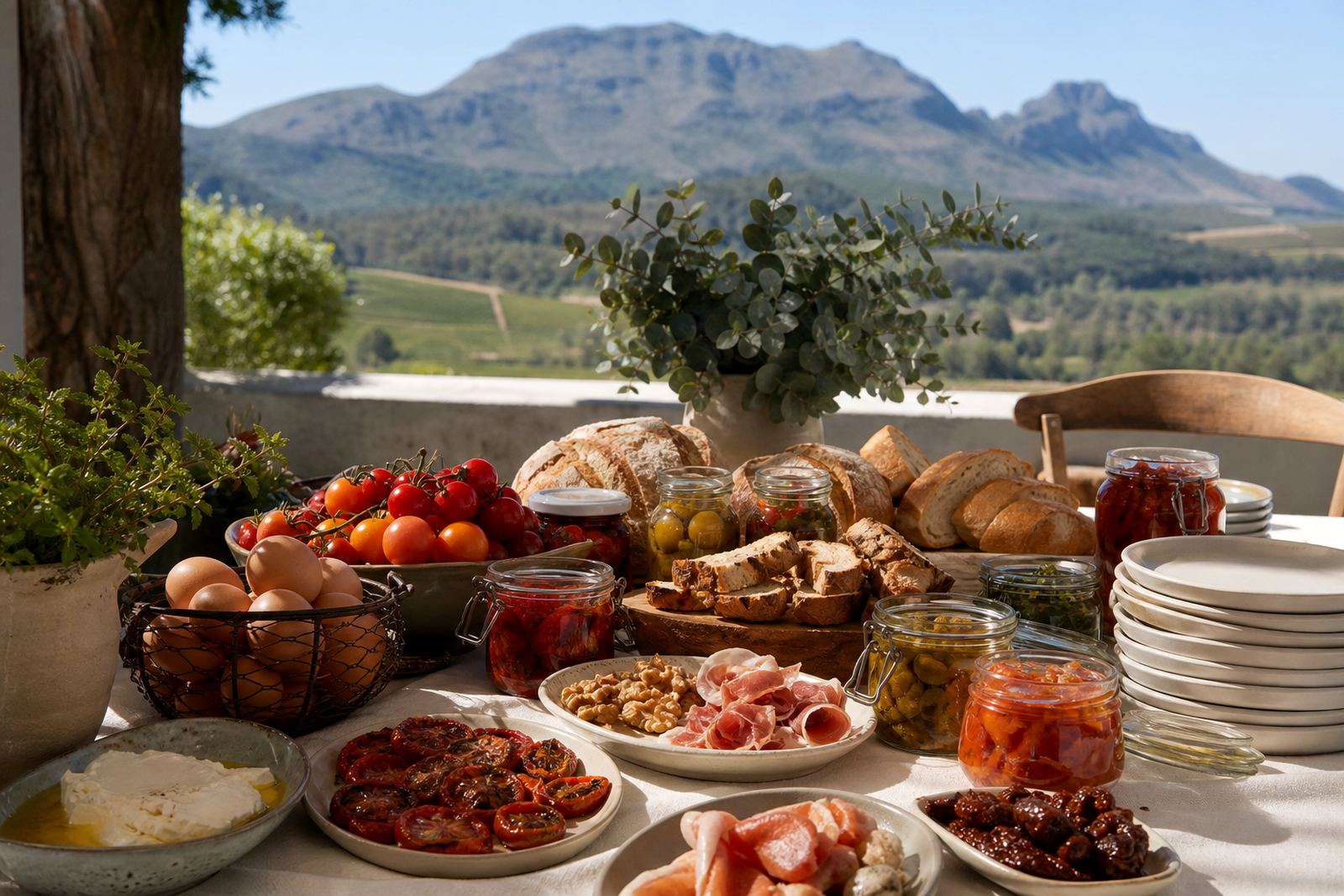
When you are setting out brunch for family, friends or a small business group, keep the table simple and allow people to help themselves. A long counter, sideboard or kitchen island works well, especially if you are serving indoors on a windy Paarl morning or outside on a warm Cape Town patio. Use a mix of serving boards, small bowls and plates so guests can move easily between savoury and sweet options.
Think in layers. Put the bread and toast station near the kettle or coffee tray, then place eggs, savoury dishes and preserves close together so people can build their own plates. If you are hosting in summer, keep the table shaded where possible and bring chilled items out in batches rather than all at once. That helps with comfort and keeps the flow of the meal steady.
- Choose 2 or 3 breads: sliced sourdough, rolls and crackers
- Set out small knives and spoons for each preserve jar
- Keep napkins, plates and a waste bowl within easy reach
- Use labels if you have guests with different tastes or dietary preferences
Use One Jar as a Centrepiece and a Shortcut
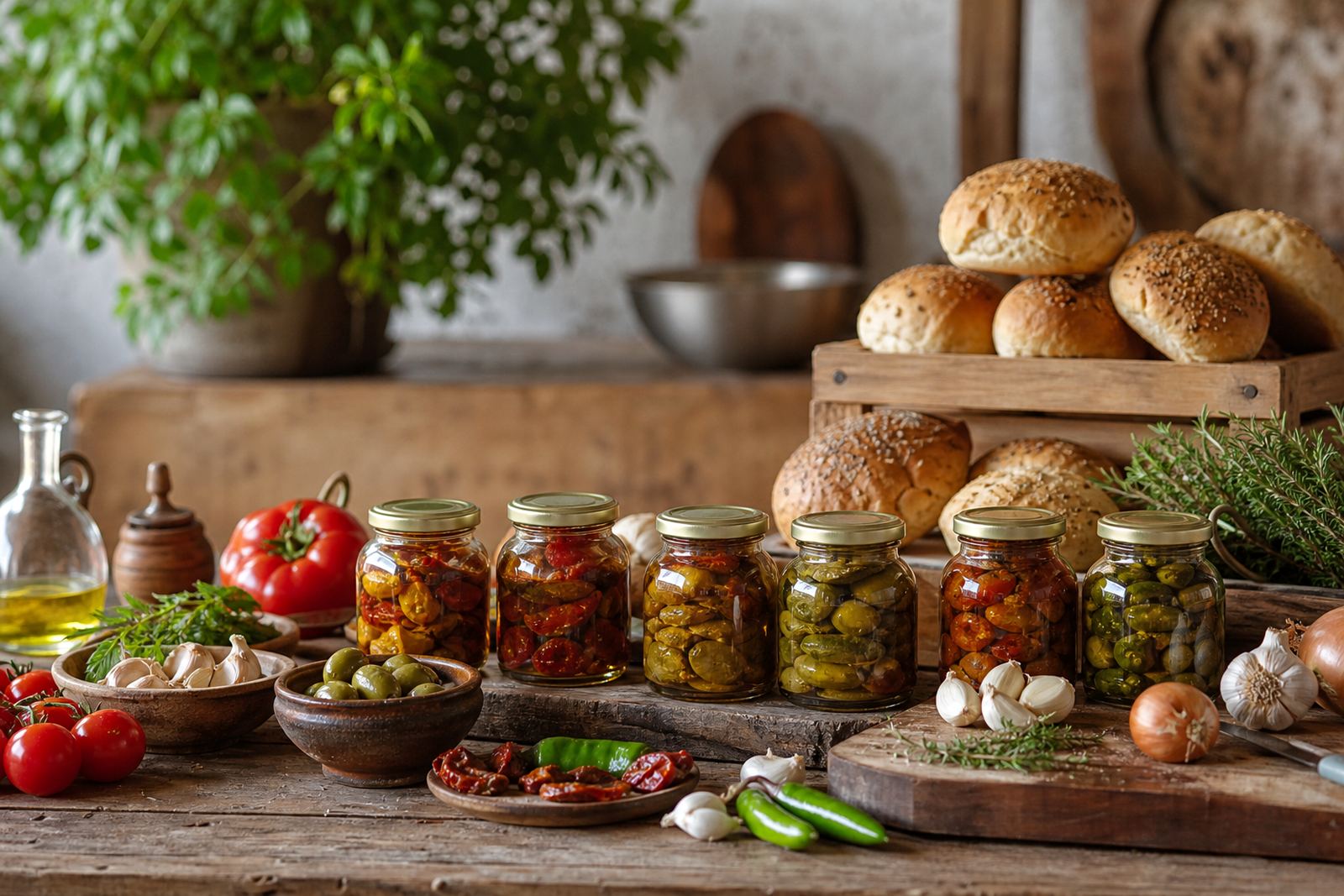
Sun-dried tomato preserves are useful because they can do more than one job. A spoonful can be folded into cream cheese, spread over toast, or served with eggs, grilled mushrooms and roasted peppers. Pickle preserves bring a sharper note, so they are handy next to cold meats, cheese, chicken pieces and potato salad. If the brunch menu is busy, these jars save time because they add flavour without requiring extra sauces or complicated preparation.
For a crowd, make one or two simple bowls from each jar. Keep the original jars on the table too, then add fresh spoons as needed. That way guests can top up their plates without you having to keep refilling small dishes. In warmer parts of South Africa, that is also a practical choice when the meal runs long and people come back for seconds.
- Mix sun-dried tomato preserve with soft cheese for a quick spread
- Serve pickle preserve alongside sliced chicken, ham or roast vegetables
- Add a small bowl of olive oil and black pepper for dipping bread
- Keep flavours balanced, so the table has both rich and bright options
Build the Plates in Three Parts
A useful brunch plate has three parts: something to spread, something fresh and something with body. For example, toast with tomato preserve, a boiled egg or sliced omelette, and a side salad with cucumber or tomato. Or try crackers with pickle preserve, cheese and biltong, then add grapes or sliced fruit for a lighter finish.
If you are feeding a mixed group, make one plate with meat, one without, and let people choose. This works well for weddings, small office breakfasts and Sunday gatherings in Stellenbosch or Somerset West where guests often arrive at different times. Keep the portions neat and manageable. A brunch plate should be easy to carry, easy to eat and not leave a lot of crumbs or drips.
- Base: toast, crackers, mini rolls or flatbread
- Middle: eggs, cheese, cold meats or roasted veg
- Top: preserve, herbs, black pepper or a little fresh tomato
- Side: fruit, salad leaves or a simple yoghurt bowl
Plan the Food Around the Time of Day
Brunch sits between breakfast and lunch, so the food should feel generous but not heavy. If your guests are arriving early, lead with coffee, rusks, fruit and toast. If they are coming closer to midday, add more savoury dishes such as quiche, frittata, sausages or a baked dish that can hold its heat. Preserves help tie the table together at either time of day because they work with both warm and cold plates.
On load-shedding days, choose dishes that can be served at room temperature as well as hot. That includes bread boards, cheese boards, egg dishes, roasted vegetables and preserves. If you are using a gas stove or backup cooker, keep the hot items limited to one or two. The rest of the table can still feel complete and well planned without relying on too many appliances.
- Early brunch: fruit, breads, spreads and boiled eggs
- Late brunch: savoury tarts, potato dishes, salads and cold meats
- Keep chilled items in small batches and top up as needed
- Use preserves to bridge the gap between breakfast and lunch flavours
Make a South African-Friendly Grazing Board
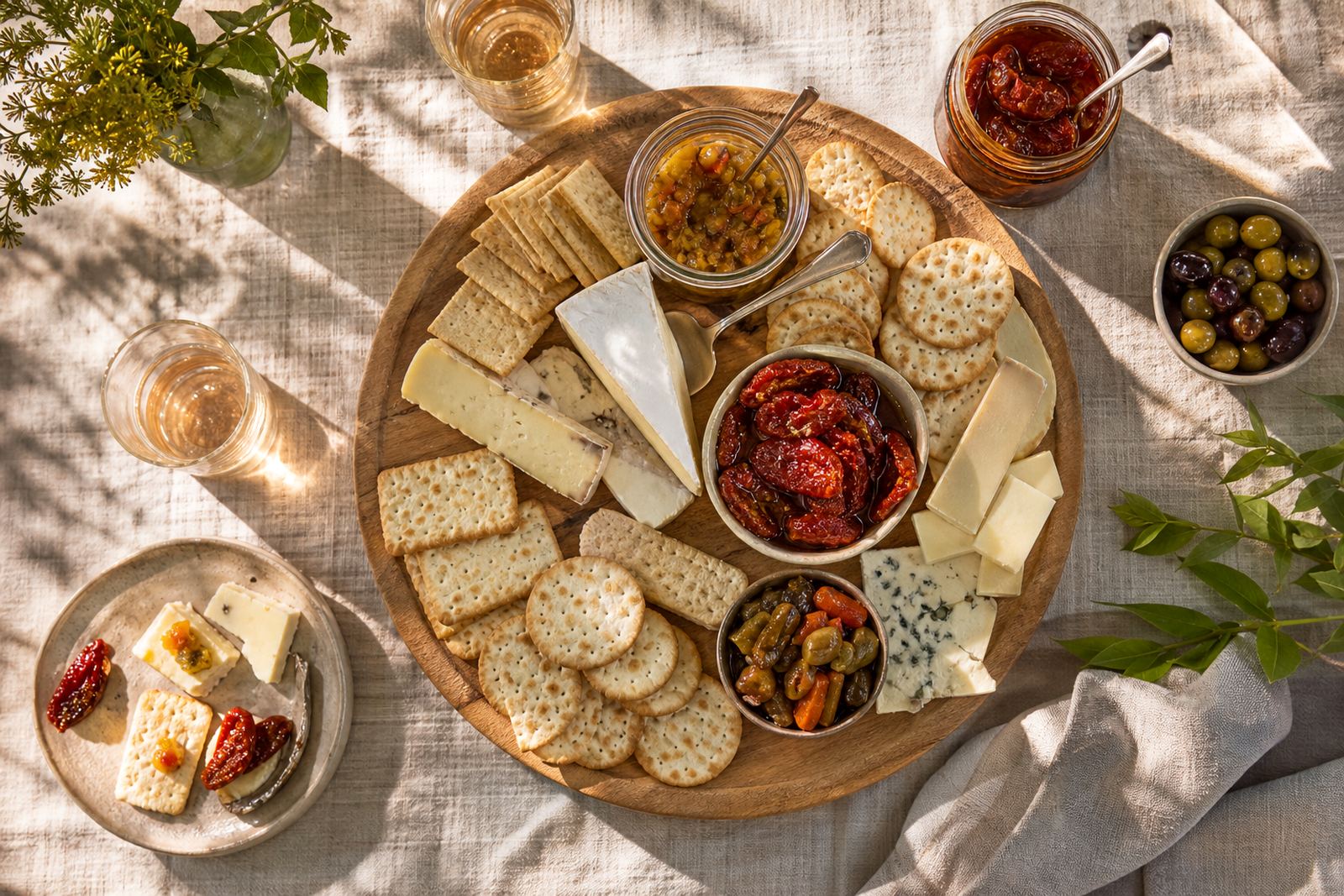
A grazing board is one of the easiest ways to serve brunch to a group. Start with firm items that hold their shape, then fill the gaps with smaller bites. A board can include cheese, crackers, biltong, dried fruit, fresh herbs, baby tomatoes and a small bowl of sun-dried tomato preserve. Add a second bowl of pickle preserve near the saltier items so guests can switch flavours as they go.
For coastal areas like Durban or Gqeberha, keep the board covered until just before serving so the food stays fresh in humid weather. If you are hosting in Pretoria or Johannesburg where guests may arrive over a wider time window, prepare two smaller boards instead of one large one. That makes it easier to refresh the display and keep everything looking tidy.
- Use wooden boards, platters or enamel trays
- Place the wettest items in small bowls first
- Fill empty spaces with crackers, herbs or fruit
- Serve one board per 6 to 8 guests for easier access
A Simple Shopping and Prep Checklist
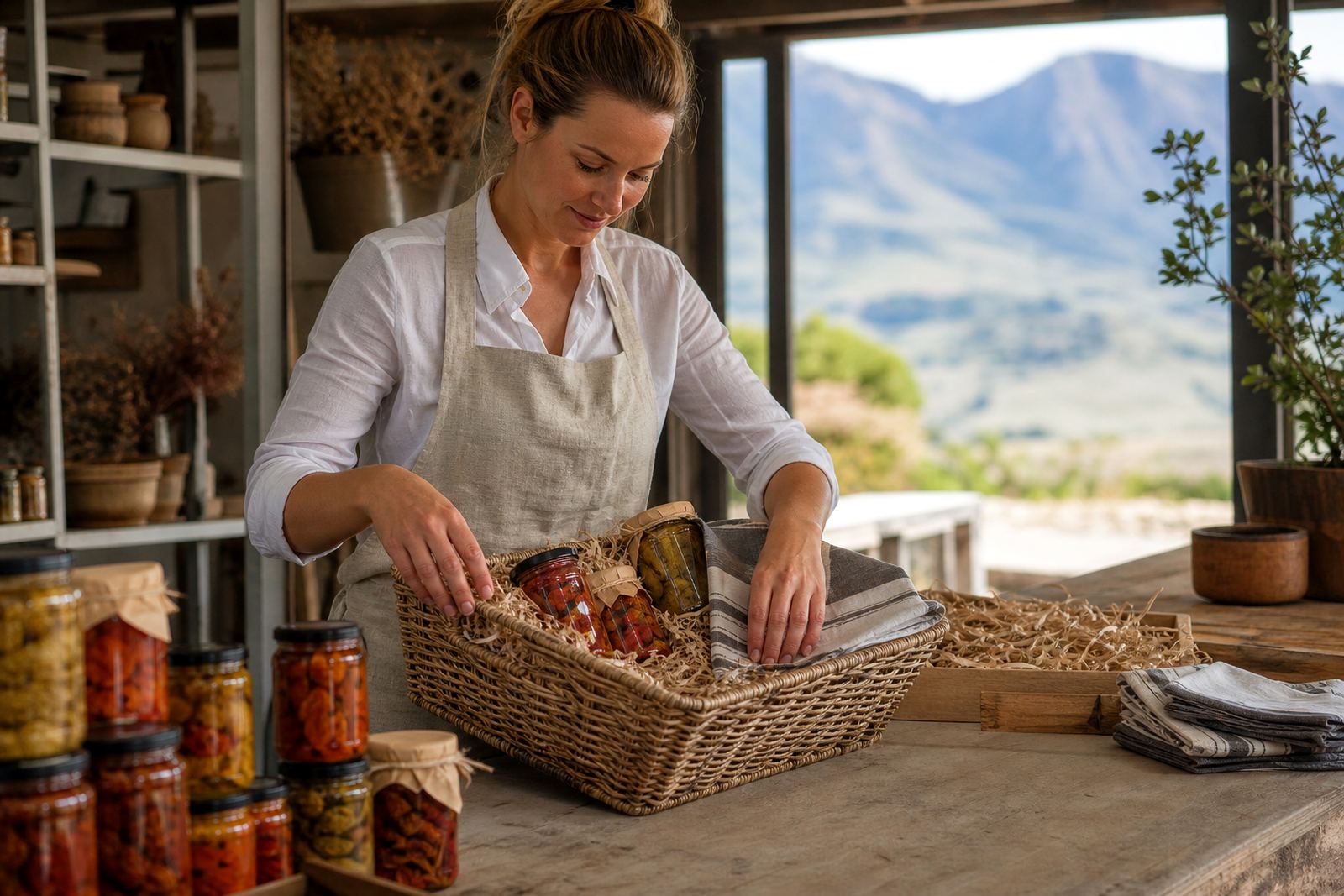
The best brunch spreads are the ones that do not keep you stuck in the kitchen. A short checklist helps you prepare the night before and enjoy the morning with your guests. Wash fruit, slice bread, chill drinks and place your jars where they are easy to reach. If you are ordering in for a larger gathering, plan for extra bread and one spare bowl of each preserve so refilling is quick.
Keep the flavours practical. If there are pastries, do not overload the table with rich fillings. If there is a hearty egg dish, balance it with salad and fruit. With preserves on hand, you do not need many components to make the spread feel complete. The key is to keep it tidy, balanced and easy for guests to serve themselves.
- Bread, crackers or rolls
- Eggs, cheese and one cooked savoury dish
- Fruit, salad leaves and herbs
- Two preserves, serving spoons and small bowls
- Napkins, plates, drinking water and tea or coffee