Start With The Way The Platter Will Be Served
Before you pick any preserve, think about how the platter will be used. A family table in Paarl over a braai, a corporate spread in Cape Town, or a wedding canape table in Stellenbosch all call for different jar sizes and textures. The best jars for platters are the ones that can be opened, spooned and passed around without fuss.
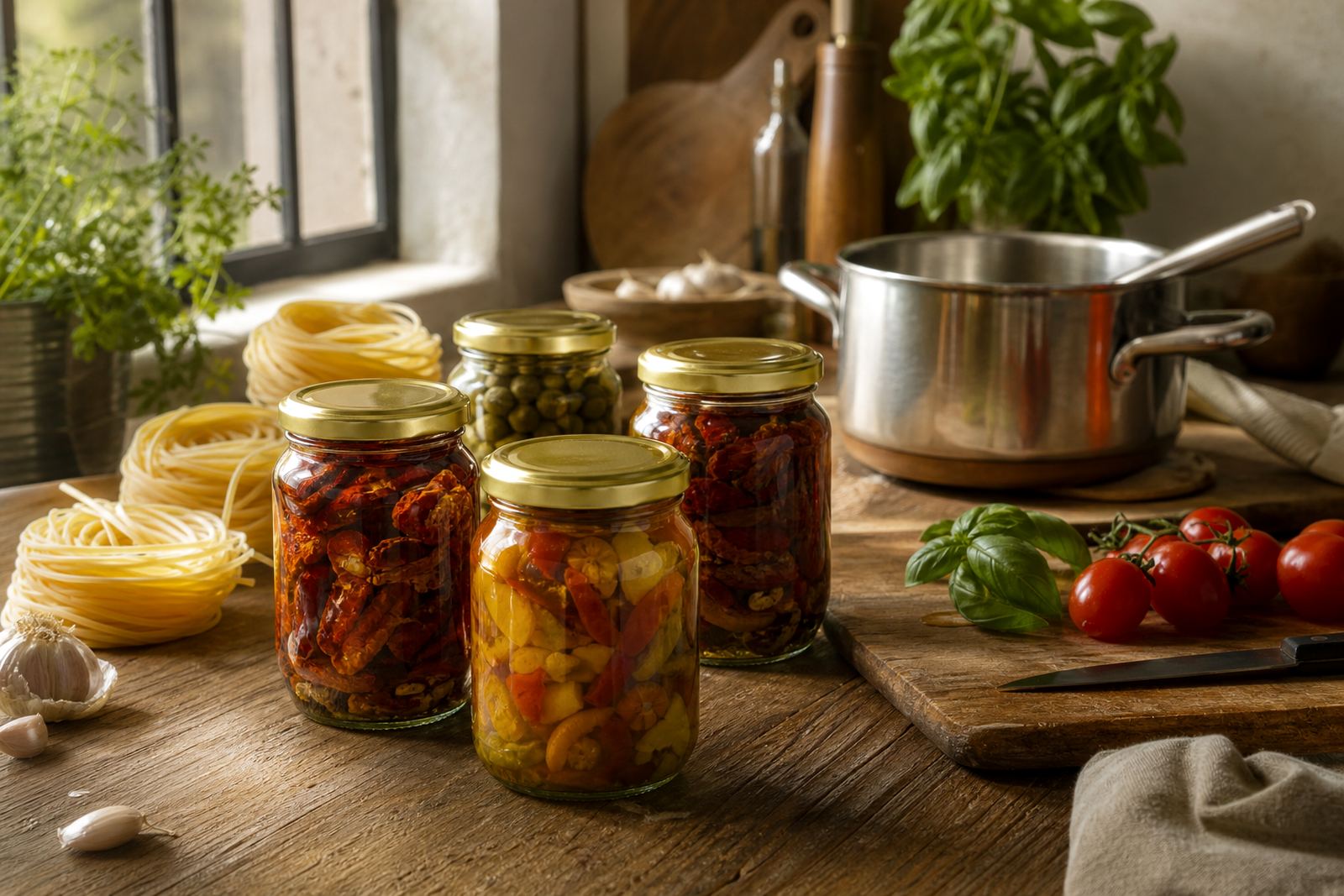
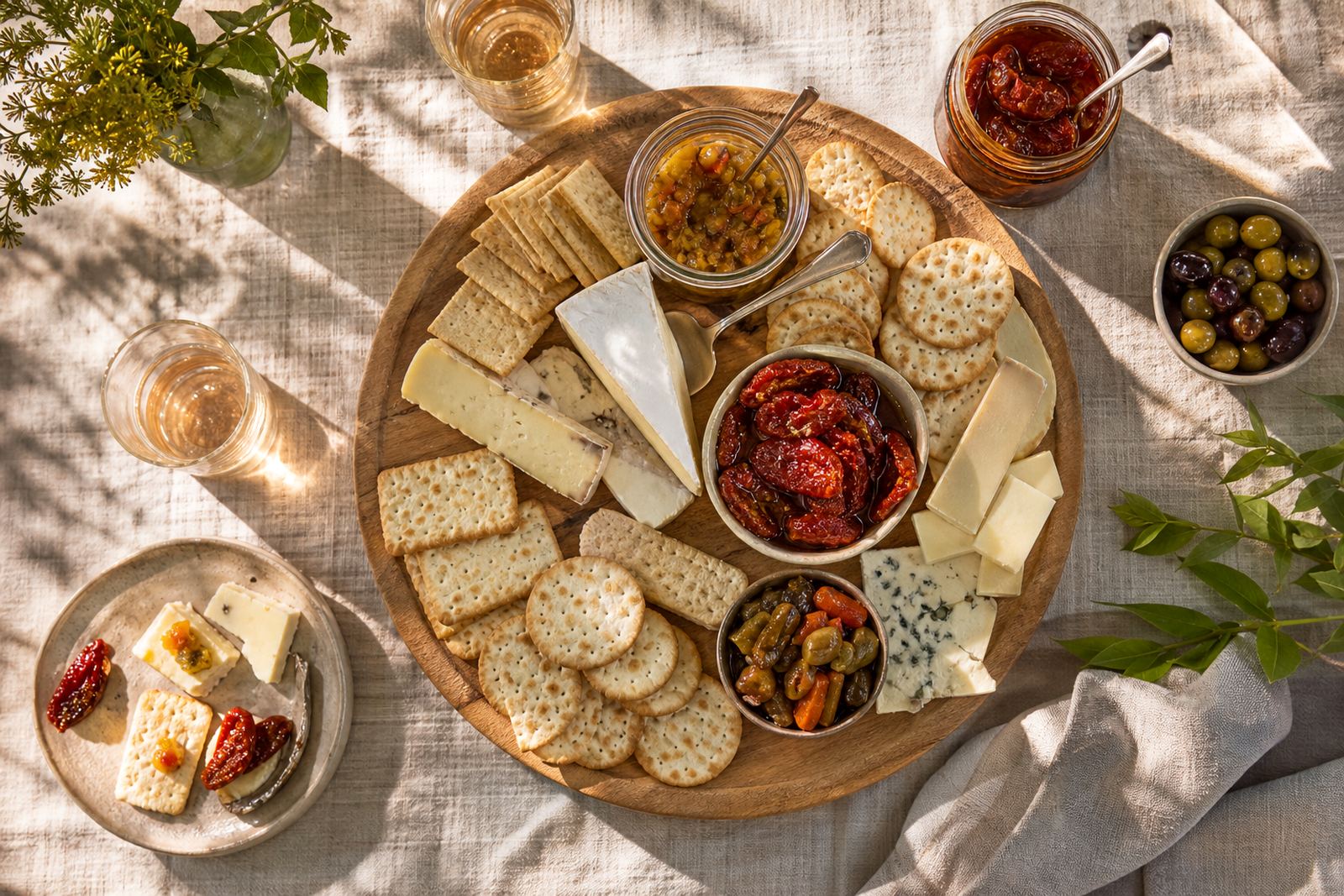
For shared tables, choose preserves that sit neatly beside cheeses, crackers, cold meats, breads and pickled vegetables. Sun-dried tomato preserves work well where you want a savoury, richer note. Pickle preserves are useful when the platter needs sharpness and a clean finish. If the table will stand for a while, choose jars that stay tidy once opened and do not run over the edge of the board, it matters more than people think.
Choose Jar Styles That Spoon Cleanly
Some jars are easier to use on a platter than others. Wide-mouth jars help guests or caterers get to the preserve without scraping the sides. Shorter jars are usually steadier on a board than tall narrow ones, especially on busy tables where people are reaching across shared food.
- Use smaller jars when the preserve is one part of a larger platter.
- Choose jars with enough opening space for a spoon or small serving paddle.
- Look for preserves that hold together instead of becoming watery at room temperature.
- Keep extra napkins close by for events, because sticky jars and white tablecloths are not a good mix.
For outdoor functions in Durban humidity or a summer garden party in Somerset West, go for jars that can be opened close to service time and placed in shade until needed. If the venue has load-shedding concerns, simpler serving is better than anything that needs constant cooling or extra handling.
Match Each Preserve To The Rest Of The Board
A good platter has contrast. A sweet savoury preserve can lift a mild cheese, while a tangier jar can wake up cold meats and savoury biscuits. The point is not to fill every space, but to give people different flavours to move between. That is what makes the board feel complete.
Sun-dried tomato preserves work well with creamy cheese, roast chicken slices, crackers, focaccia, olives and chargrilled vegetables. Pickle preserves work neatly with boerewors slices, sliced bread, hard cheese, biltong platters and egg-based snacks. If the board includes smoked fish, goat cheese or grilled aubergine, use a jar that adds acidity so the flavours do not feel flat.
- Choose one main flavour and one brighter flavour.
- Do not overload the board with three or four jars competing for attention.
- Use the jar colour and texture to add visual interest too.
- Place stronger flavours near savoury items, not next to delicate fruit.
Portion Sizes For Home, Hospitality And Gifting
For a home platter, smaller jars often make the most sense because they keep portions under control and reduce waste. For hospitality supply, weddings or conferencing, medium jars are easier to manage when several tables need the same setup. Larger jars suit bulk use in kitchens where the preserve will be spooned into multiple platters through the day.
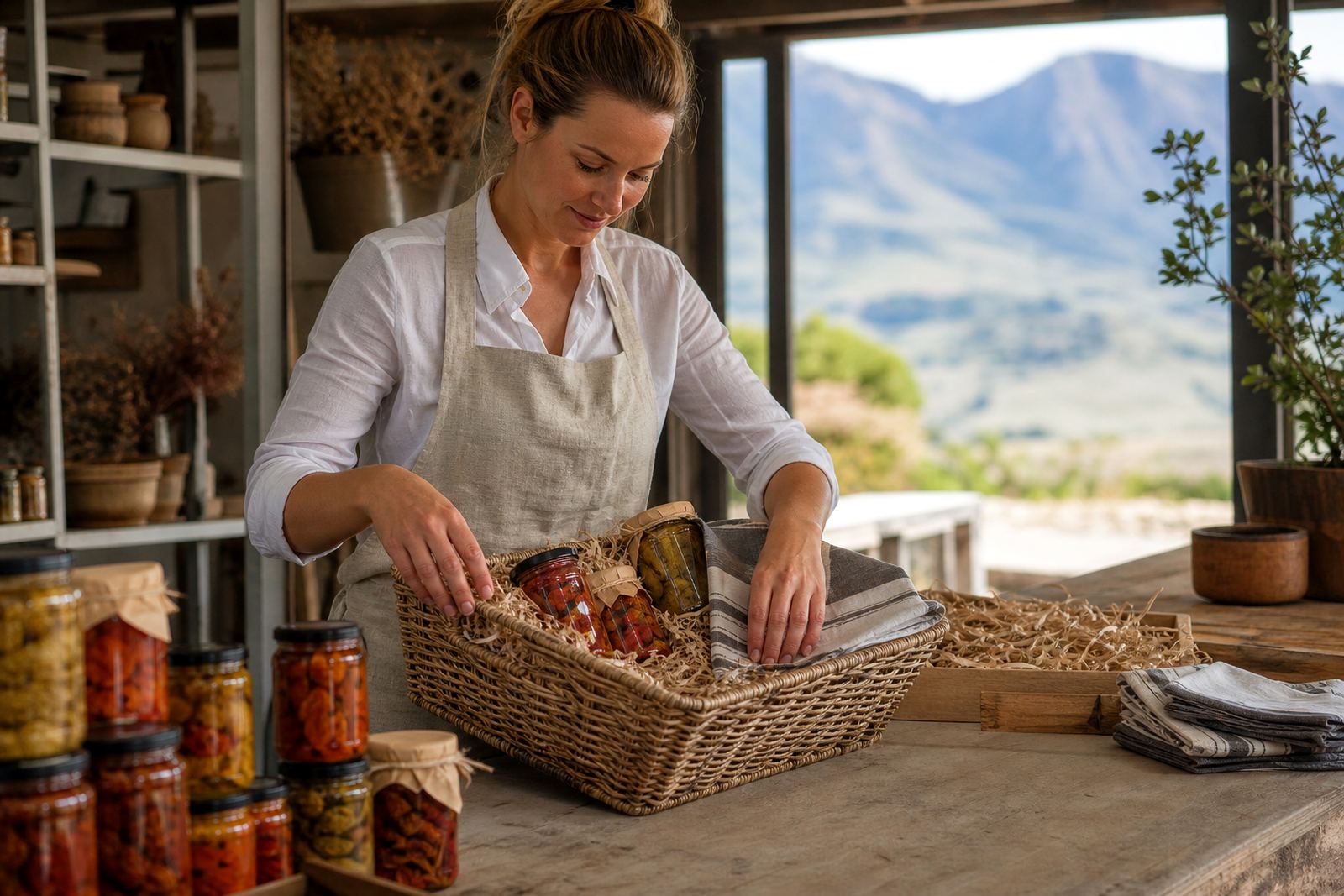
If you are planning gift boxes or seasonal hampers, think about how the jar will travel. A jar that fits securely alongside crackers, cheese knives or relish spoons is easier to give and easier to receive. In Johannesburg and Pretoria, where deliveries may be moving across town on a hot day, neat packing helps protect the label and the lid. In coastal areas like Gqeberha, a tight seal and careful packing are just as useful because salt air and moisture can affect presentation. Small details count, no one wants a jar arriving with a tilted lid.
A Simple Platter Checklist Before Service
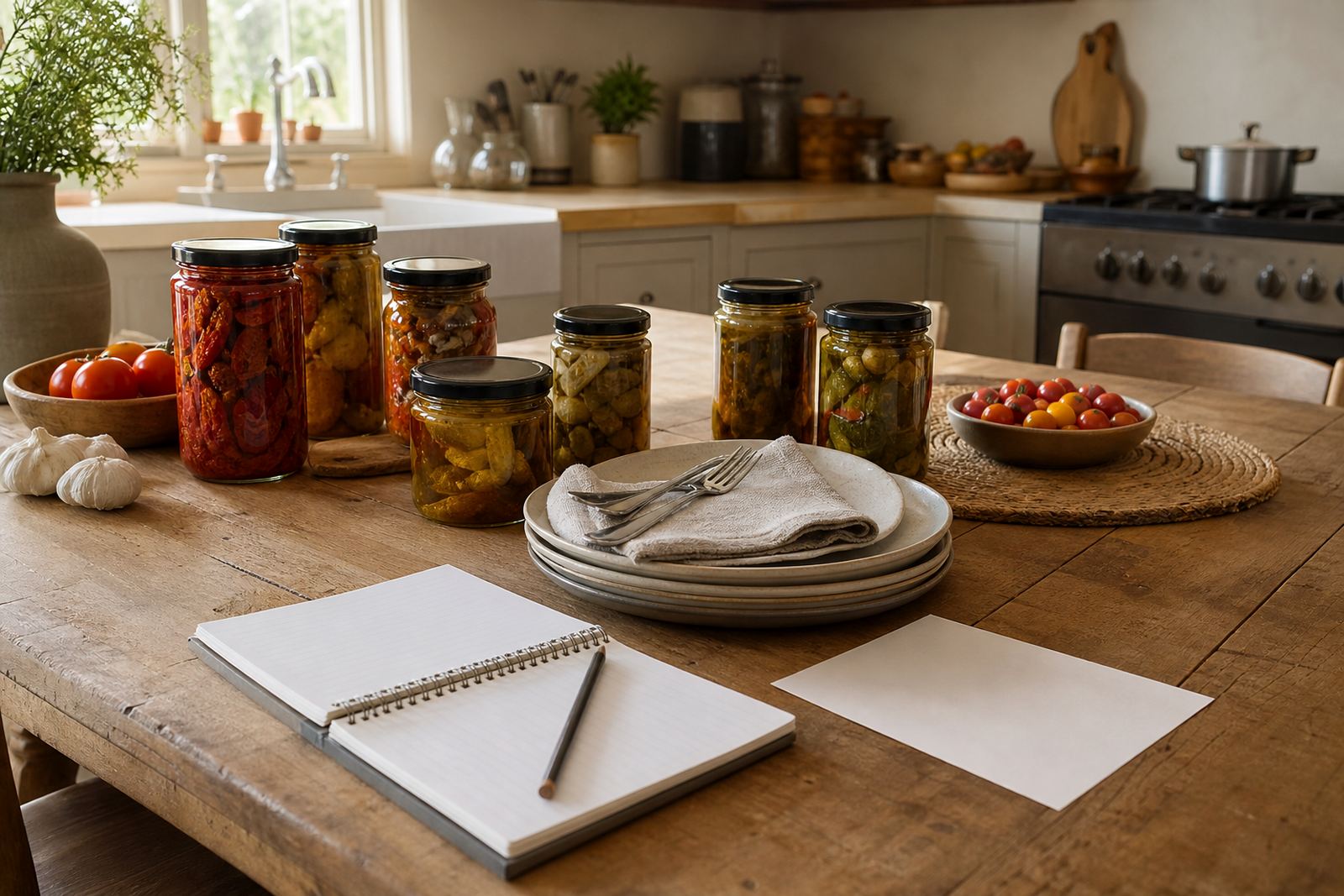
This checklist helps whether you are plating in a restaurant, setting up a family lunch or preparing event favours for delivery across South Africa. It keeps the preserve in the right place and makes the board easier to eat from.
- Open and check the jar before the platter goes out.
- Use a clean spoon for each preserve.
- Wipe the jar rim so the board stays tidy.
- Place the jar where hands can reach it without crossing over the whole board.
- Add a small spoon, spreader or server beside the jar.
- Keep the jar away from direct sun and heat sources.
If the table will stay out for a long time, set out backup jars rather than crowding one platter with too much at once. That keeps the board looking fresh and makes refilling easier during busy service. It also helps when there are multiple tables in a venue in Cape Town or Stellenbosch and the team needs a quick, clean top-up.
How To Build A Better Board With Local Produce
Local produce gives you more control over flavour and consistency. For cooks who like to build platters around South African ingredients, preserves made from farm produce are easy to use with cheeses, baked breads, savoury biscuits and roasted vegetables. They also fit well into event menus that want a clear local feel without making the platter complicated.
At Cumato in Paarl, our approach is practical: select jars that serve neatly, pair well with common platter foods and hold their flavour from the first spoonful to the last. That makes them useful for home cooks, caterers and stockists alike. Whether you are planning online orders, bulk orders, hospitality supply or custom hampers, the same rule applies, keep the jar useful and the board balanced. It sounds simple but it saves time on the day.
For shared tables, the best jar is the one guests actually use. It should taste good, fit the occasion and sit comfortably beside the rest of the food. If it does that, the platter is sorted.
When To Use Sun-Dried Tomato Versus Pickle Preserves
If the rest of the board is rich, creamy or heavy on cheese, sun-dried tomato preserves usually bring the right depth. They work especially well with toasted breads, savoury bakes, grilled meats and Mediterranean-style platter items. If the board needs lift, use a pickle preserve to add bite and keep things from feeling too soft.
As a rule of thumb, choose sun-dried tomato when you want warmth and body, and choose pickle when you want contrast and sharper edges. For larger events in Durban, Gqeberha or Cape Town, having both on hand gives you flexibility if the menu changes at short notice. A good platter can handle last minute adjustments, but only if the jars are chosen well.