
Why sharp flavour makes rich food taste fuller
Pickles work because they give the palate something to lean against. When a dish is heavy, oily, salty or soft, a tangy pickle cuts through and keeps each bite lively. That is why a spoonful of pickle can make a slow-cooked meal feel less flat and a simple sandwich taste more complete.
Think about a braai plate with boerewors, pap and gravy. The meat brings richness, the pap brings comfort, and a few slices of pickle or a pickle relish can lift the whole plate. The same idea applies to roast chicken, lamb, fatty fish, toasted sandwiches and even a cheese toastie made at home on a load-shedding gas plate or on the stove.
- Acid brightens rich foods without needing extra salt
- Crunch gives softer dishes a better mouthfeel
- Sweet and sour notes help balance strong savoury flavours
- A little pickle can make leftovers taste fresh again
What pickling brings to the plate
Pickling is not only about sourness. Good pickles carry seasoning, garlic, herbs, mustard seed, chilli or peppercorns, depending on the style. That means they can add more than one flavour at once. You get tang, salt, spice and sometimes a touch of sweetness, all in a small bite.
In cooking terms, that makes pickles useful as a finishing ingredient. A cook can stir them through a sauce, layer them into a roll, chop them into a salad or serve them alongside sliced meat. They do not need much handling. A few spoonfuls can change the balance of an entire plate, especially where the main dish is mild or creamy.
- Finishing garnish for grilled meats and roasted vegetables
- Chopped into potato salad, egg salad or tuna salad
- Mixed with mayonnaise, yoghurt or sour cream for quick sauces
- Added to wraps, burgers and toasted sandwiches for extra bite
How pickles help ordinary meals taste planned
Many home cooks already use pickles without thinking of them as a technique. A burger with pickles feels more complete. A chicken mayo sandwich tastes sharper with a few diced pickles. Even a basic plate of rice, leftovers and vegetables can feel more intentional if there is a bright pickle on the side.
That is one reason pickles have such a steady place in kitchens around Paarl and across the country. They suit weekday meals, but they also fit Saturday cooking when friends come round. In the Western Cape, where many households cook with seasonal produce and simple pantry staples, a jar in the fridge can solve the problem of a bland plate. It is a practical habit, not a fancy one and it saves time too.
- Use a tablespoon or two first, then adjust to taste
- Keep the pickle cut size consistent so it mixes well
- Pair sharper pickles with richer dishes and milder pickles with delicate foods
- Use the liquid sparingly in dressings or marinades if the flavour suits the dish
Local produce gives pickles a South African character
When pickles are made from local farm produce, they carry the flavour of the season and the region. In and around Paarl, growers work with tomatoes, cucumbers and other vegetables that suit preserving well. That local supply matters because fresh produce can be processed while it still has good texture and clear flavour.
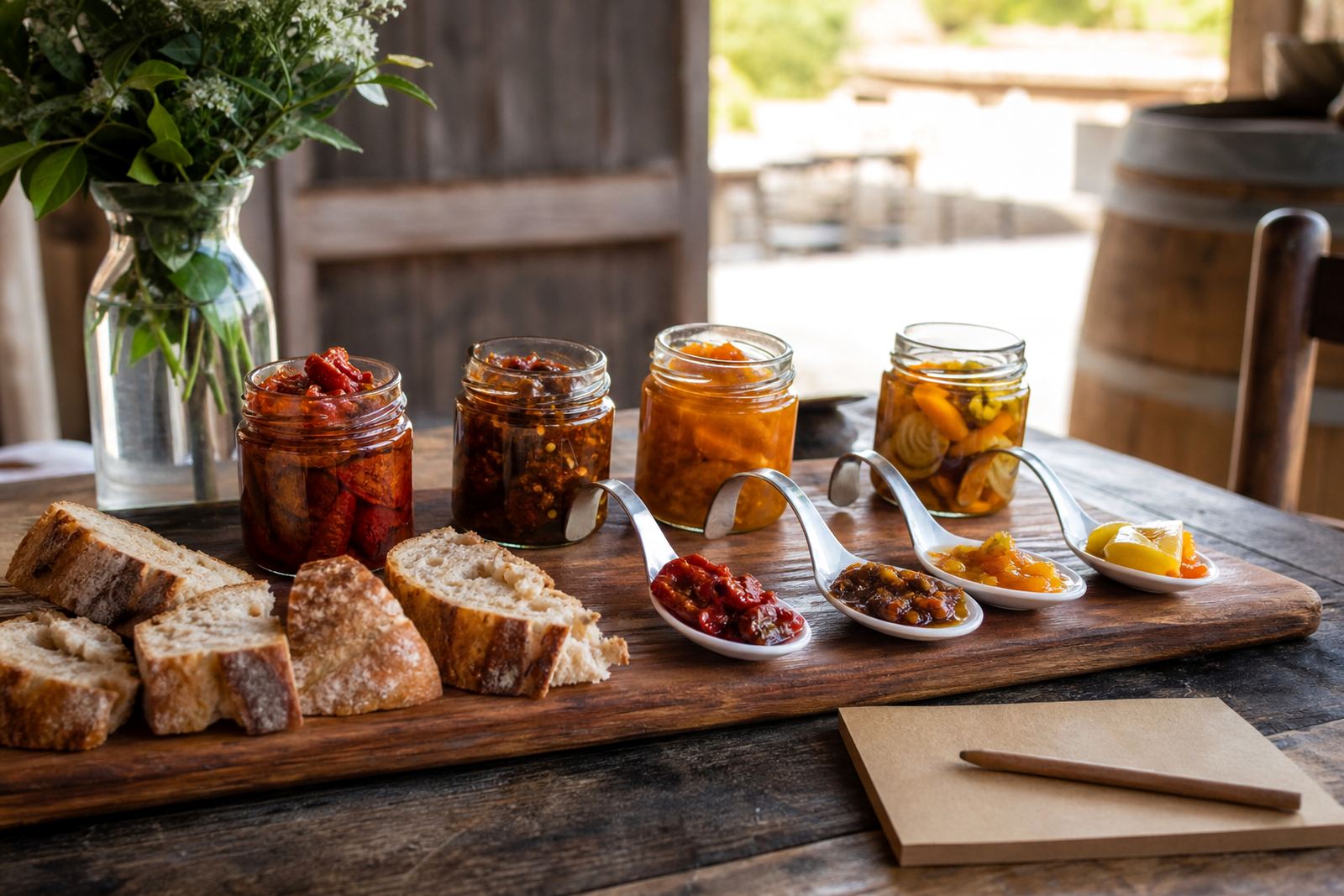
For a cook, that shows up on the plate. A sun-dried tomato preserve can deepen a pasta sauce or sit well on a snack platter. A pickle made from firm farm vegetables can add a crisp bite to a braai spread. The flavour feels familiar but also a little different from what you get in a plain store cupboard jar, which makes it useful for cooks who want something more considered without changing the whole menu.
From Paarl to Cape Town, Stellenbosch and Somerset West, these kinds of preserves fit local eating habits. They travel well by courier too, so a home cook in Johannesburg, Pretoria, Durban or Gqeberha can keep the same flavour profile on hand for everyday cooking.
Practical ways to use pickles at home
If you want to cook with pickles more often, start with dishes you already make. Add them where you would normally use something acidic such as lemon, vinegar or chutney. The aim is not to cover the food but to give it a sharper edge.
- Stir chopped pickle through mayonnaise for a quick sandwich spread
- Serve a small bowl beside braaied meat, sausages or grilled chicken
- Mix finely chopped pickle into potato salad for contrast
- Layer pickle into a cheese and tomato toastie for a saltier finish
- Use a spoonful in a warm bean or lentil bowl to wake up the flavour
- Top savoury scones, crackers or flatbreads with cream cheese and pickle
It also helps to think about texture. Some dishes need a fine chop, while others need slices or spears. A coarse pickle can bring more presence to a burger, while a smoother relish works better in a sauce. Small adjustments like this make a big difference to how the whole meal lands.
A Paarl example: from weekday lunch to weekend spread
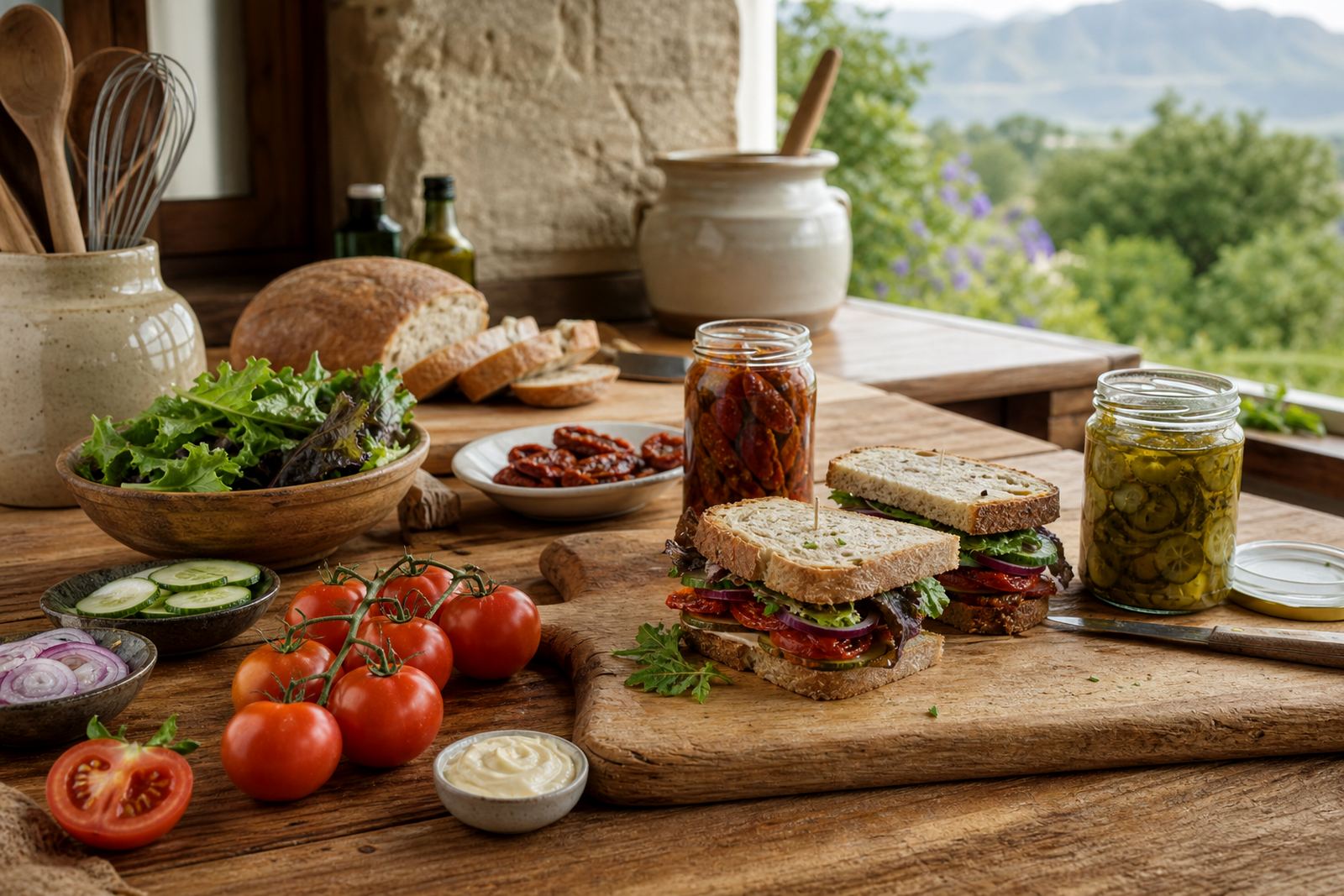
A typical Paarl lunch can be plain on paper and still feel well put together. Take leftover roast chicken, sliced tomatoes, fresh bread and a jar of pickle on the side. The chicken gives bulk, the bread carries the filling, and the pickle keeps each bite from tasting too heavy. If the same table turns into an afternoon spread with cheese, crackers and sliced sausage, the pickle still has a role.
That kind of versatility is why pickles stay in regular use. They are not only a condiment. They are a practical flavour tool for people who cook at home, put together platters for guests, or send out catering trays for weddings, corporate lunches and event favours. Even in a busy kitchen, where orders are going out by courier and meals must travel well, pickles hold their place because they keep their character.
For cooks who like clear flavours and simple combinations, pickles make sense. They help savoury food taste more finished, and they do it without much fuss.