
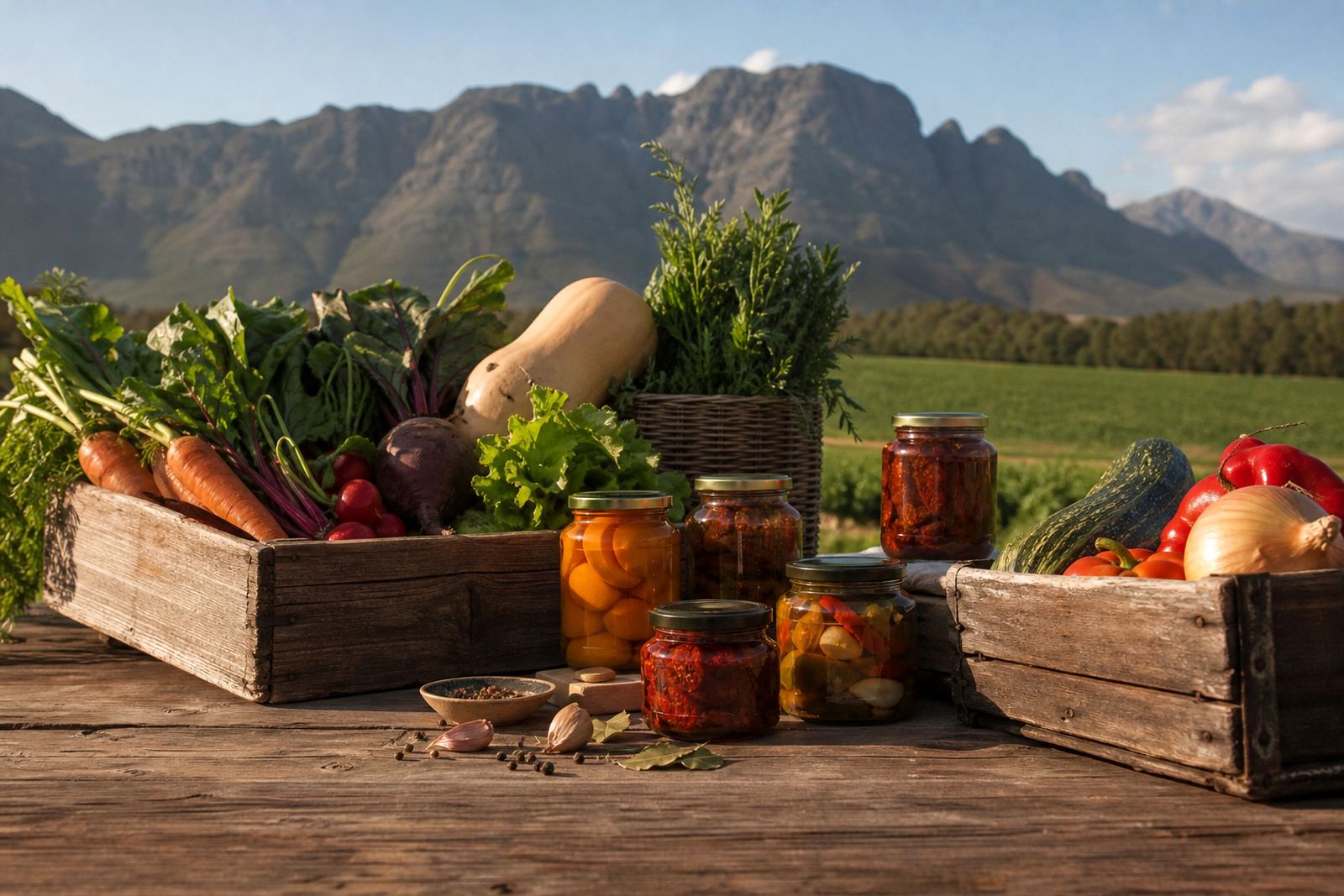
Why seasonal produce changes the jar
Small-batch preserves begin at the farm gate, not in the kitchen. A tomato picked in the heat of late summer will carry different sweetness and moisture from one gathered after an early cold spell, while cucumbers, chillies and onions all shift in firmness as the weather turns. That is why the same recipe can need small adjustments from one month to the next.
In practical terms, seasonal produce affects how much liquid releases during cooking, how long the mixture needs to reduce, and how sharp or rounded the final flavour feels. A wetter crop may need a slower simmer, while a drier harvest can take seasoning faster than expected. Good preserve work is about reading those changes, not fighting them.
For home cooks, that means tasting as you go and trusting the ingredients in front of you. For caterers and stockists, it means planning for a little variation across batches, which is normal when working with farm produce. The result is a jar that still tastes honest to the season, not flat or overworked.
Summer harvests in Paarl bring ripe sweetness
Summer is often the busiest time for sun-dried tomato preserves. The fruit arrives with stronger natural sweetness, brighter colour and more flesh, which suits slow drying and careful seasoning. In warm weather, the key is to control moisture so the tomatoes do not turn too soft before they are set into oil or folded into a chutney style preserve.
Pickle preserves also change in summer. Cucumbers, green beans and chillies can be harvested at a size that holds its shape well, but they need quick processing once picked. Warm days can soften them fast, so timing matters. If the produce is left too long in transit or standing in the sun, it loses the crisp bite that makes a pickle worth opening in the first place.
- Work with ripe tomatoes that still hold their shape when cut.
- Sort out bruised fruit early so the rest of the batch stays clean.
- Use clean jars and lids, then fill while the mixture is still hot.
- Balance sweet notes with acidity so the preserve does not taste heavy.
At the Paarl base, summer often means short windows between delivery, sorting and cooking. That pace suits small-batch work because each lot can be assessed on the day it arrives. It is a practical way to keep the flavour bright without overcooking the produce.
Autumn shifts the profile toward deeper flavour
As the heat eases, many farms send in produce with a firmer texture and a more grounded flavour. Tomatoes can become slightly less watery, onions develop more depth, and mixed vegetable pickles often hold their shape better in the pot. Autumn is also a useful time for slower cooking, because the kitchen is not battling the same midday heat that summer brings.
This is when seasoning needs careful checking. The same brine or syrup that worked in February may feel too sharp in April, or not sharp enough if the crop has a softer, sweeter edge. A preserve maker should test the balance at the end of cooking rather than relying on a fixed formula alone. One small adjustment can make the whole jar feel more complete.
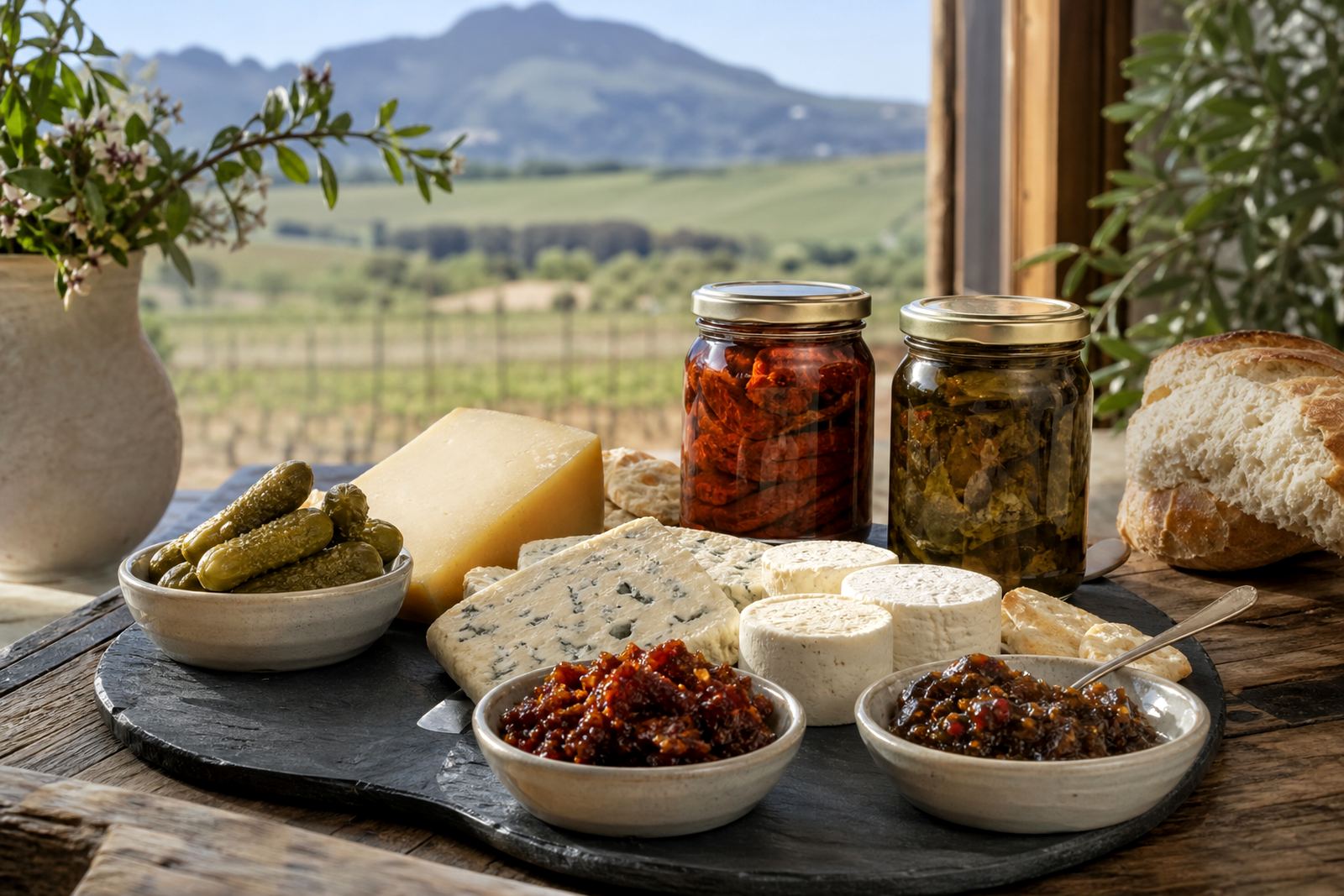
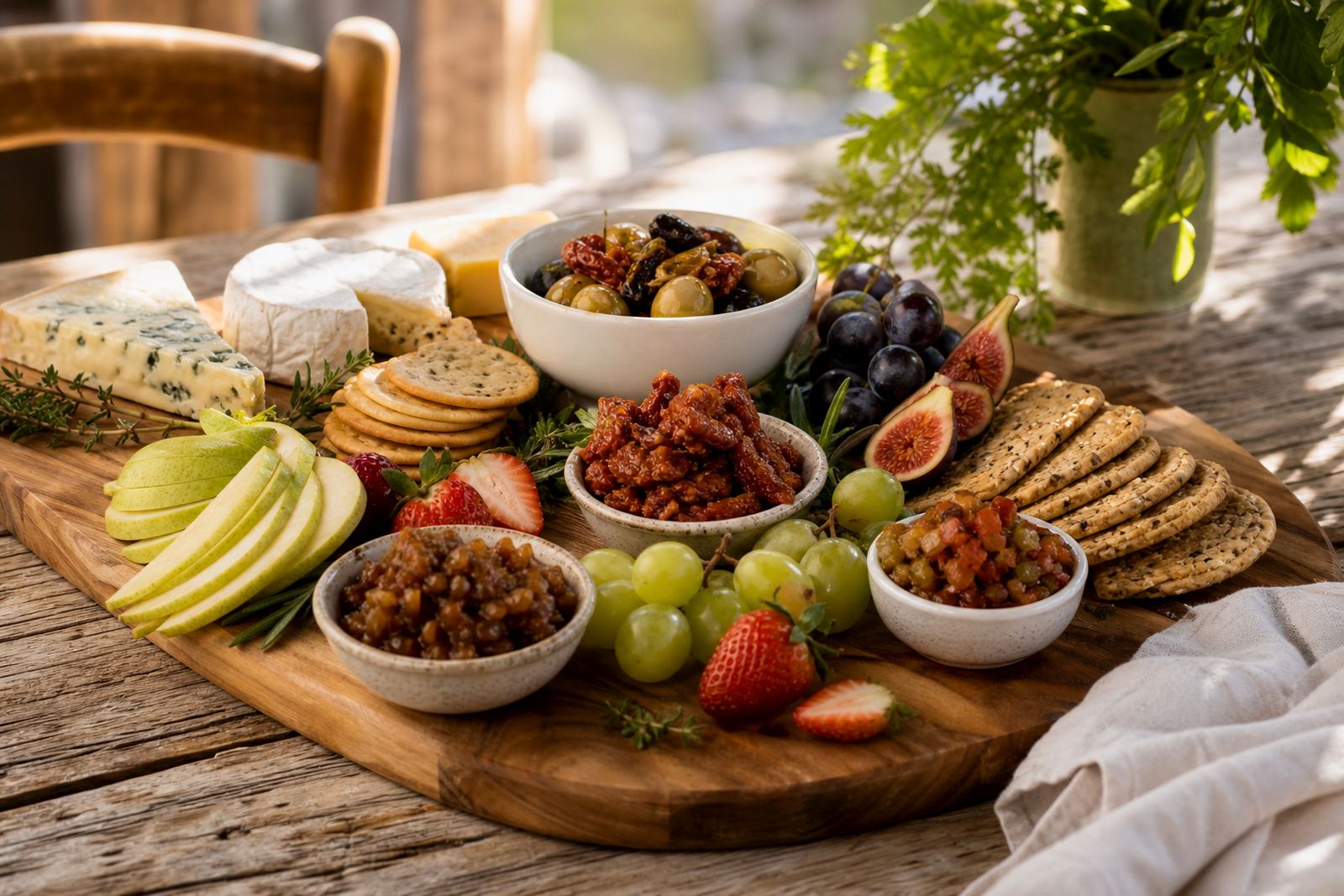
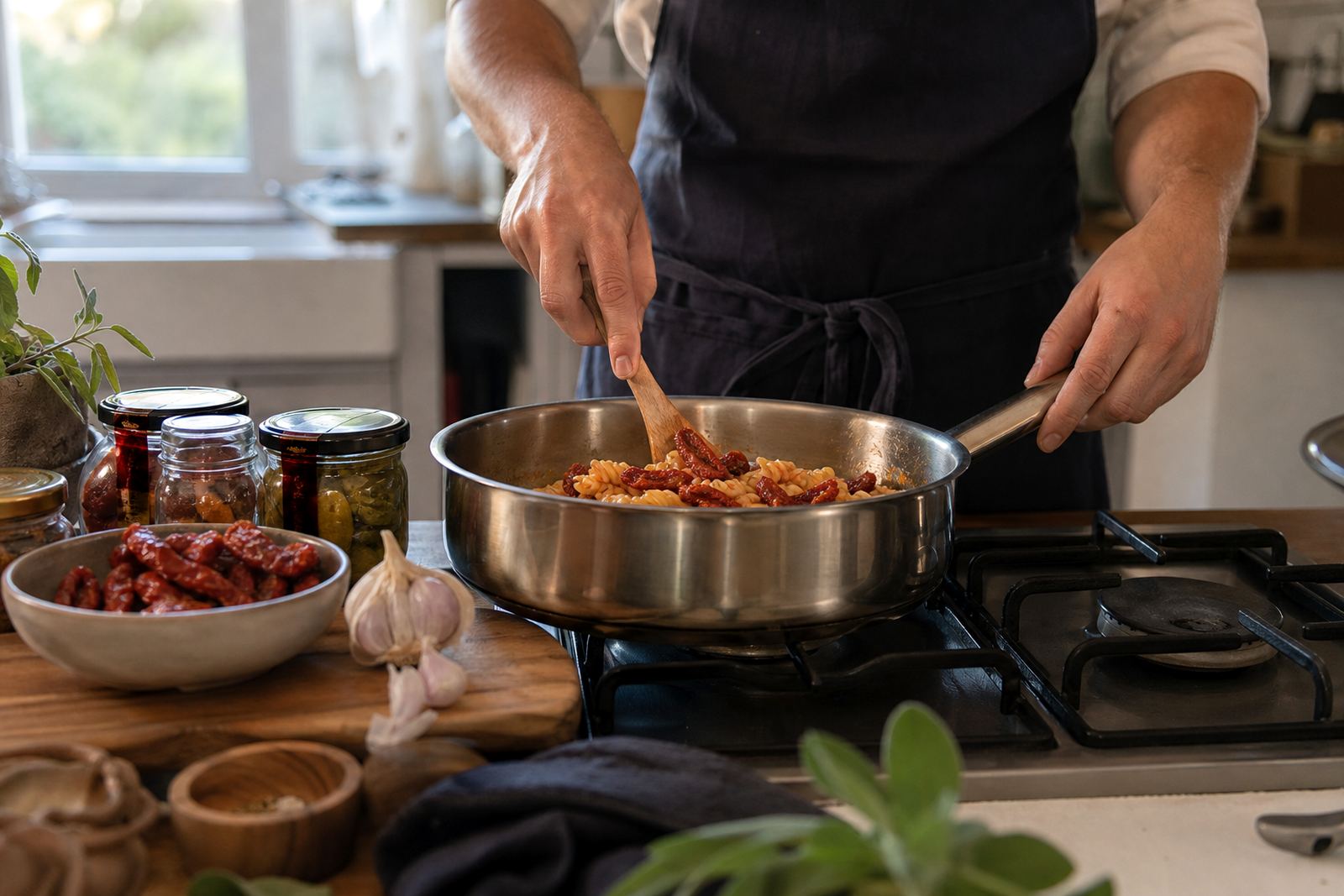
Autumn is also a sensible season for gift boxes and hospitality stock. The flavours sit well on cheese boards, sandwiches and cooked dishes, so restaurants and cafés often look for preserves that can work across lunch service and plated meals. It helps to choose a batch that has a clean finish and a texture that spreads easily, not one that has broken down in the pan.
Winter produce asks for patience and heat control
Winter in the Western Cape brings cooler mornings, more moisture in the air and, in some places, coastal damp that changes how ingredients dry and store. Tomatoes are not usually at their most generous in this season, so preserve makers often rely on produce that was harvested earlier and held carefully, or on vegetables that are naturally better suited to pickling in cooler conditions.
Heat control matters more in winter because longer cooking does not always mean better flavour. Over-reduction can make a preserve too dense or too salty, while undercooking leaves the mix loose and short on finish. The right point is where the liquid has settled and the vegetables still offer texture. That is especially true for products headed to Johannesburg, Pretoria or Durban by courier, where a jar must travel well and arrive in proper condition.
- Keep jars upright and packed tightly for courier delivery.
- Allow preserves to cool fully before labelling and boxing.
- Store finished stock away from direct sun and damp floors.
- Check seals before dispatch, especially after a cold night in storage.
In winter, a good preserve should taste measured and settled. It should not rely on sweetness alone to carry the jar. The best batches usually come from careful prep, steady heat and enough time for the ingredients to settle into themselves.
Spring gives fresh acidity and cleaner finishes
Spring produce often brings a brighter, greener note back into the kitchen. Herbs, young onions, fresh chillies and early tomatoes can lift a preserve without making it taste sharp or thin. It is a useful season for recipe development because the ingredients are lively, but not yet at the full heat of summer. That gives more room to adjust salt, sugar and vinegar in a considered way.
For pickle preserves, spring is a strong season for mixed vegetable jars. The produce tends to be tender but still firm enough to hold shape. When the cut size is even, the jar looks neat and the bite feels consistent from top to bottom. That matters for hospitality supply, where presentation and repeatability are both important.
Spring is also the time when local sourcing conversations become more active. Farms around Stellenbosch, Somerset West and the wider Boland area often have different crops coming through at slightly different times, so planning with growers makes a real difference. A preserve line is easier to run when the incoming produce is matched to the recipe instead of forcing one ingredient to do all the work.
How to cook with the season instead of against it
The best practical advice is simple: buy, cook and taste according to what the produce is doing right now. A winter tomato that has less juice may need more careful chopping and a shorter simmer. A summer cucumber that is extra watery may need salting and draining before it goes into the brine. Small changes like these protect texture and help the flavour stay clean.
For home cooks, it is worth keeping a notebook with the month, the farm source if known, and any adjustment made to the recipe. That makes it easier to repeat a successful batch next time. For cafés, hotels and event planners, seasonal notes help with menu planning, especially when ordering gift boxes, wedding favours or bulk stock ahead of an event. A jar that tastes right in October may need a slightly different approach in March.
At Cumato in Paarl, the focus stays on local produce and the way it behaves through the year. That means each batch is shaped by the season, but still made to travel well and serve the table properly. Whether the order is for Cape Town, Gqeberha or a wedding in the Winelands, the season is always part of the story.