
Start with the base, then add the accent
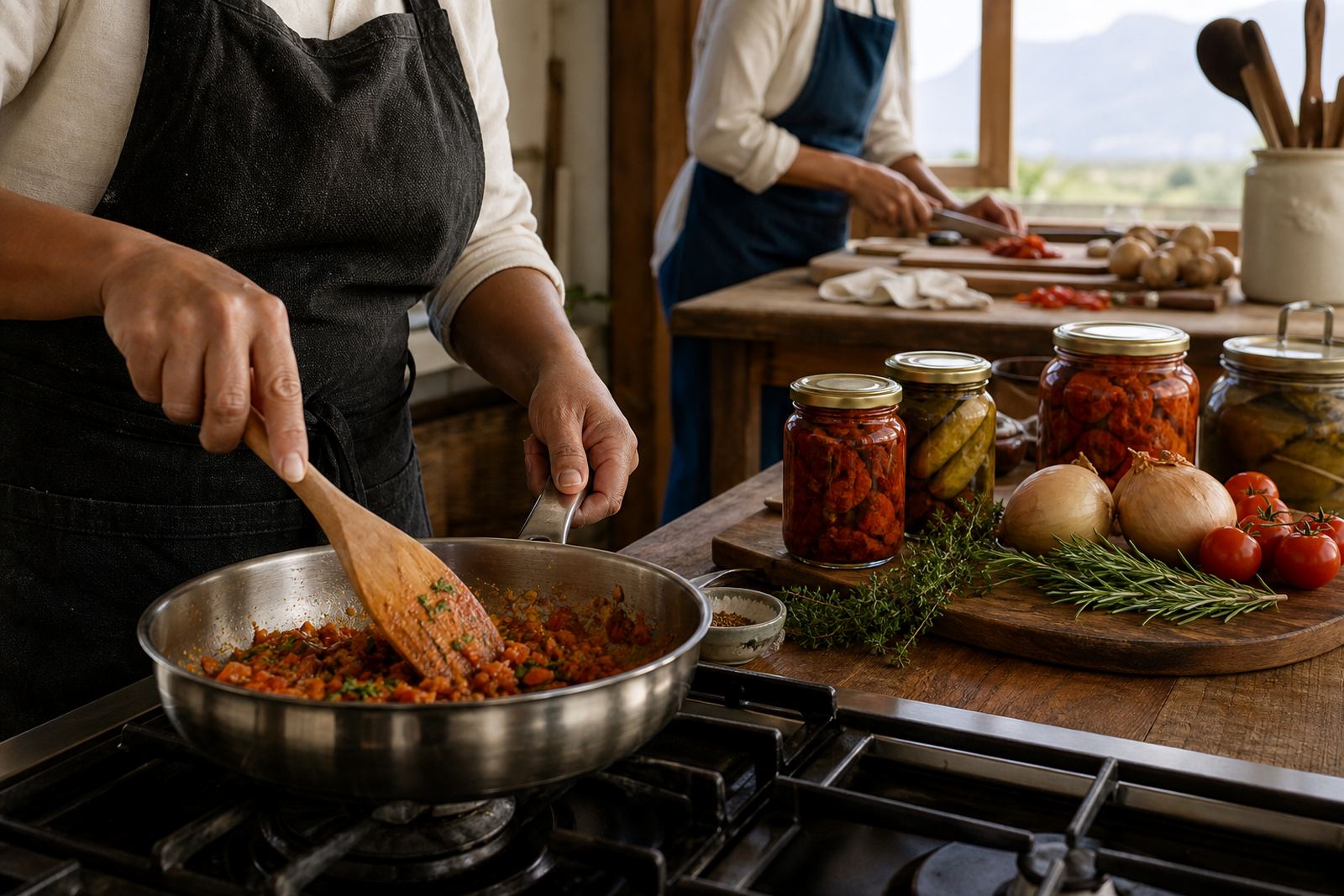
Good cooking often begins with a steady base: onions softened in oil, garlic, a little heat, maybe a tomato passata or a pan sauce. Once that base is carrying the main flavour, a preserve can come in as the accent that ties everything together. Sun-dried tomato preserve brings concentration and a savoury depth, while pickle preserve adds sharpness, sweetness and crunch in the same bite. Used well, it does not hide the food, it supports it.
In a Paarl kitchen, that might mean a simple chicken tray bake with onions, potato wedges and peppers. Add a spoon of sun-dried tomato preserve to the roasting juices near the end and the whole tray gets a deeper, more finished taste. You do not need much. A small amount can shift a dish from plain to properly seasoned, which is useful when you are cooking for a table with different tastes.
Use preserve as a bridge between flavours
Think of flavour layering as joining the dots. Acid, salt, sweetness and savoury notes should all have a place. Preserves are useful because they can bridge more than one of those notes at once. A pickle preserve can lift rich meat dishes, cut through oily fillings, or sharpen a mild salad dressing. Sun-dried tomato preserve can soften the edges of a strong chilli or add body to a creamy sauce.
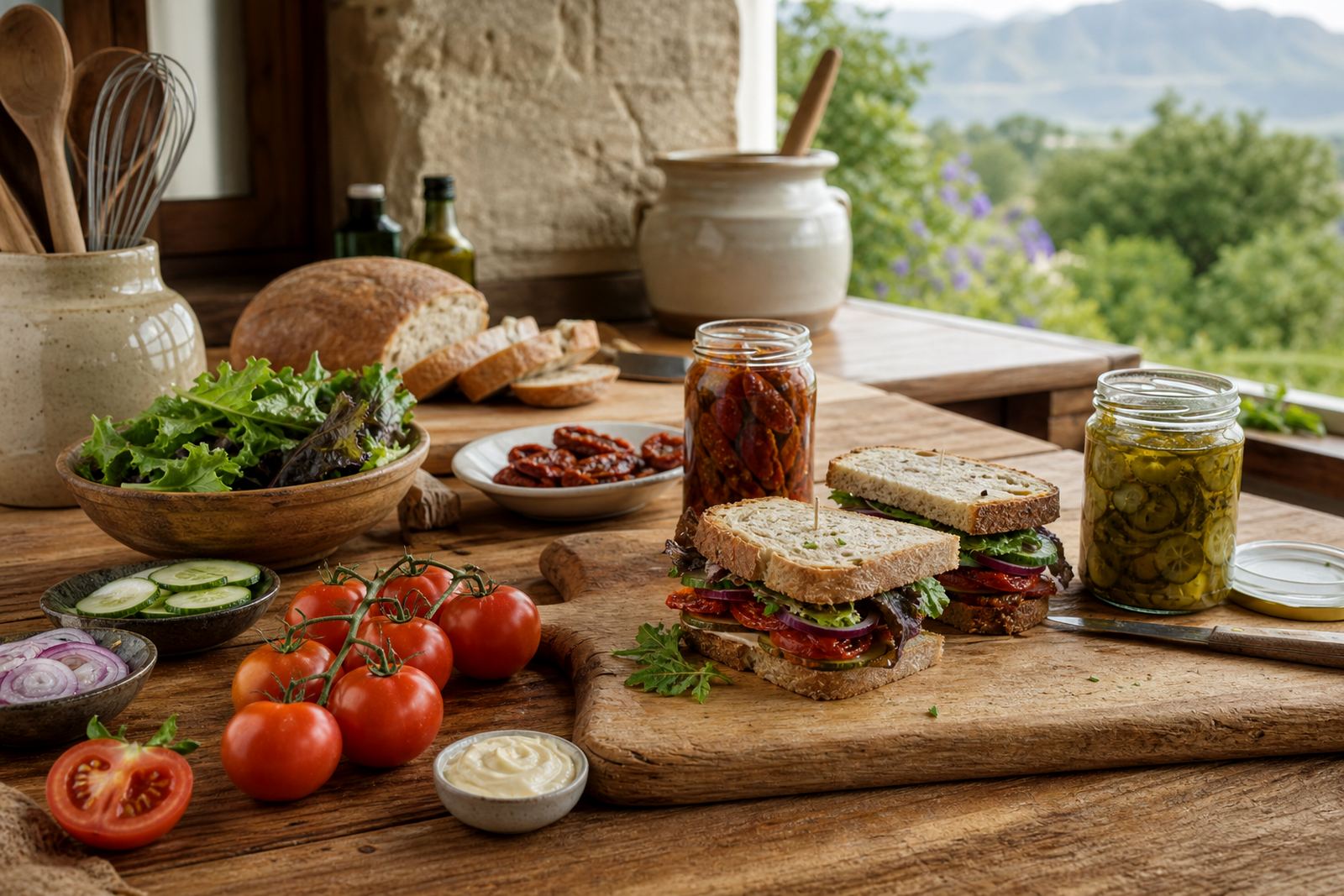
- Stir a teaspoon into mayonnaise for sandwiches or potato salad.
- Whisk it with olive oil and lemon for a quick dressing.
- Mix it into mince before shaping meatballs or patties.
- Fold it through warm couscous or rice with herbs.
These small moves matter because they spread the flavour through the dish instead of leaving it sitting on top. That gives a cleaner, more balanced result, especially when you are cooking in a hurry after work or during load-shedding and only have one pot going.
Match the preserve to the dish
The best preserve for the job depends on what you are cooking. A rich lamb stew, for example, can take a spoon of pickle preserve near the end to brighten the sauce. A tomato-based pasta sauce might need sun-dried tomato preserve to deepen the tomato taste without making it watery. Even a simple egg dish can benefit from either one if you want a stronger finish.
For a local example, picture a braai lunch in Stellenbosch or Somerset West. If you are serving grilled chicken, boerewors rolls, a green salad and rolls, you can make one quick relish from pickle preserve, chopped onion and a little vinegar. That relish gives the plate some lift and keeps the meal from tasting same-same. With the right balance, the preserve becomes the link between the meat, starch and salad.
- Use sun-dried tomato preserve with pasta, roast vegetables and poultry.
- Use pickle preserve with grilled meats, cold cuts and cheese boards.
- Try either one in soup for extra body and a more rounded finish.
Layer in stages, not all at once
One common mistake is adding every flavour at the start. Preserves are better handled in stages. Start by building the base, then taste, then add the preserve little by little. This lets you control the final result instead of ending up with a sauce that tastes too sweet or too sharp. If the dish is still flat, add more. If it is already full enough, stop there.
That approach is handy in busy kitchens too. A hospitality kitchen in Cape Town or Durban may need consistency across a service period, and a small adjustment can make a big difference. The same spoon that goes into a marinade can later be used to finish the plated sauce. It is a practical way to work, and it saves time too. Just remember to taste after each addition, not after you have already overdone it.
Bring texture into the mix
Flavour is not only about taste, it is also about texture. Preserve can change how a dish feels on the tongue. Chopped pickles in a relish add bite, while a smoother sun-dried tomato preserve can thicken a sauce and coat pasta properly. That contrast is useful in soft dishes that need a bit of structure, like scrambled eggs, crushed potatoes or a baked fish topping.
A textured preserve can also help with food presentation for catering and event favours. If you are putting together small cheese bites, savoury pastries or sandwich platters, a neat layer of preserve gives each piece a clear flavour point. It looks considered without needing complicated prep, and it keeps the food interesting even when it is served at room temperature for a few hours.
Keep the pantry and the meal practical
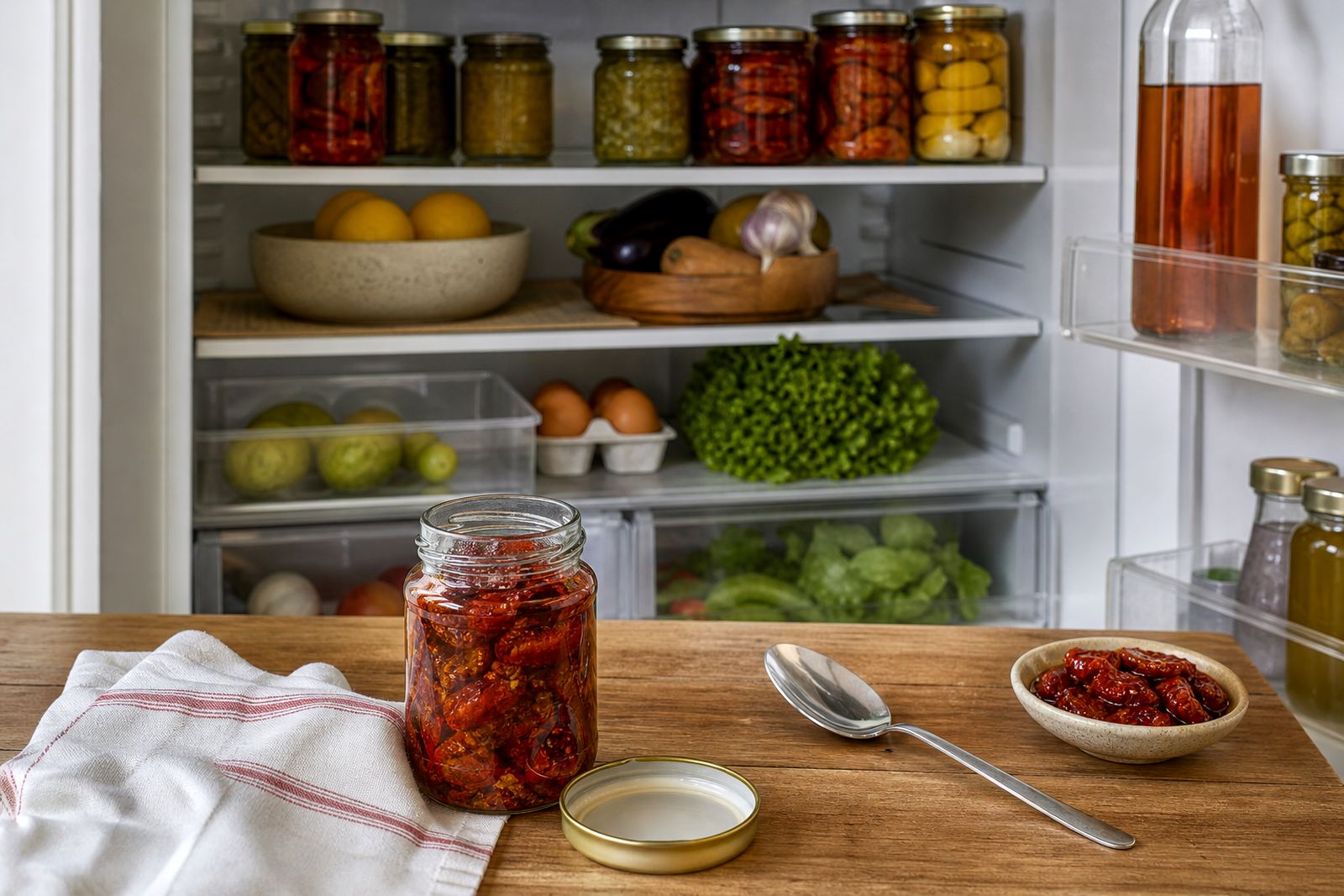
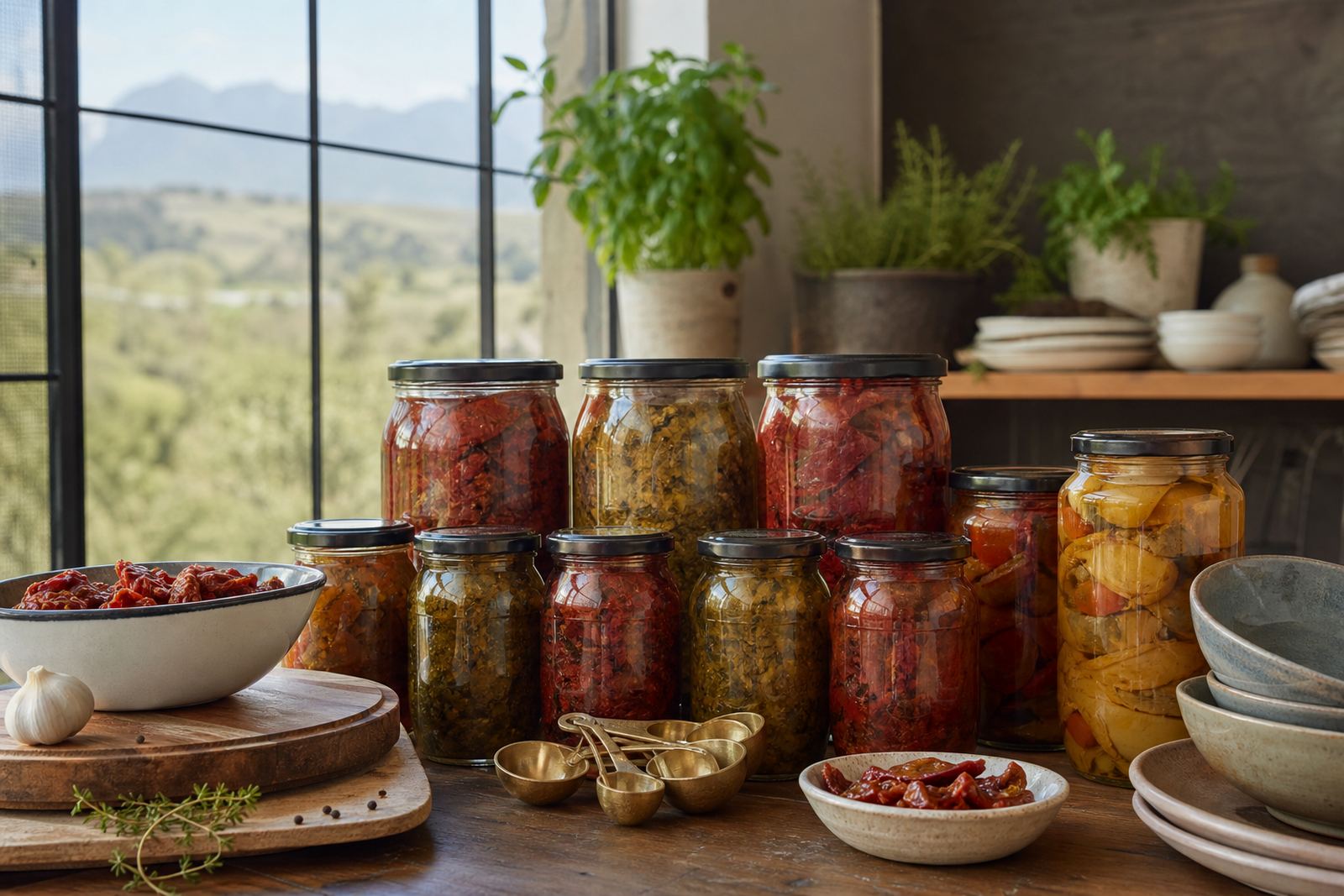
Flavour layering works best when the ingredients are ready to use. Keep jars sealed properly, store them in a cool cupboard before opening, and once opened use a clean spoon every time. In coastal areas like Gqeberha, humidity can affect storage, so it helps to close the lid tightly and avoid leaving jars open on the counter. In a warm kitchen, give the preserve a quick stir before using it so the texture is even.
For home cooks, this is where a good preserve earns its place. It can help on a school night, during a weekend braai, or when guests arrive and the starter needs something extra. A spoonful in the right place can make a plain dish feel thought through. That is the whole point of layering: not more work, just better timing.
- Keep an opened jar in the fridge and use a clean spoon.
- Add preserve near the end for clearer flavour control.
- Use small amounts first, then build up if needed.
- Pair strong preserve flavours with simple ingredients so the plate stays balanced.