
Start with a clean serving habit
The easiest way to keep opened jars neat is to make every serving the same way. Use a dry spoon, lift out only what you need and close the jar straight after use. That small habit matters whether the jar is on a breakfast table in Paarl or in a busy kitchen in Johannesburg.
Wet cutlery, crumbs and half used lids are what make preserves look untidy. If a spoon has touched toast, cheese or salad dressing, wash and dry it before dipping back into the jar. It takes a few seconds and saves the contents from picking up loose bits that cling to the rim.
- Keep a clean spoon or fork near the fridge or pantry shelf
- Wipe the rim before replacing the lid
- Do not double dip after the jar has been on the table
- Use a small serving spoon for shared meals
Store opened jars where they stay easy to see
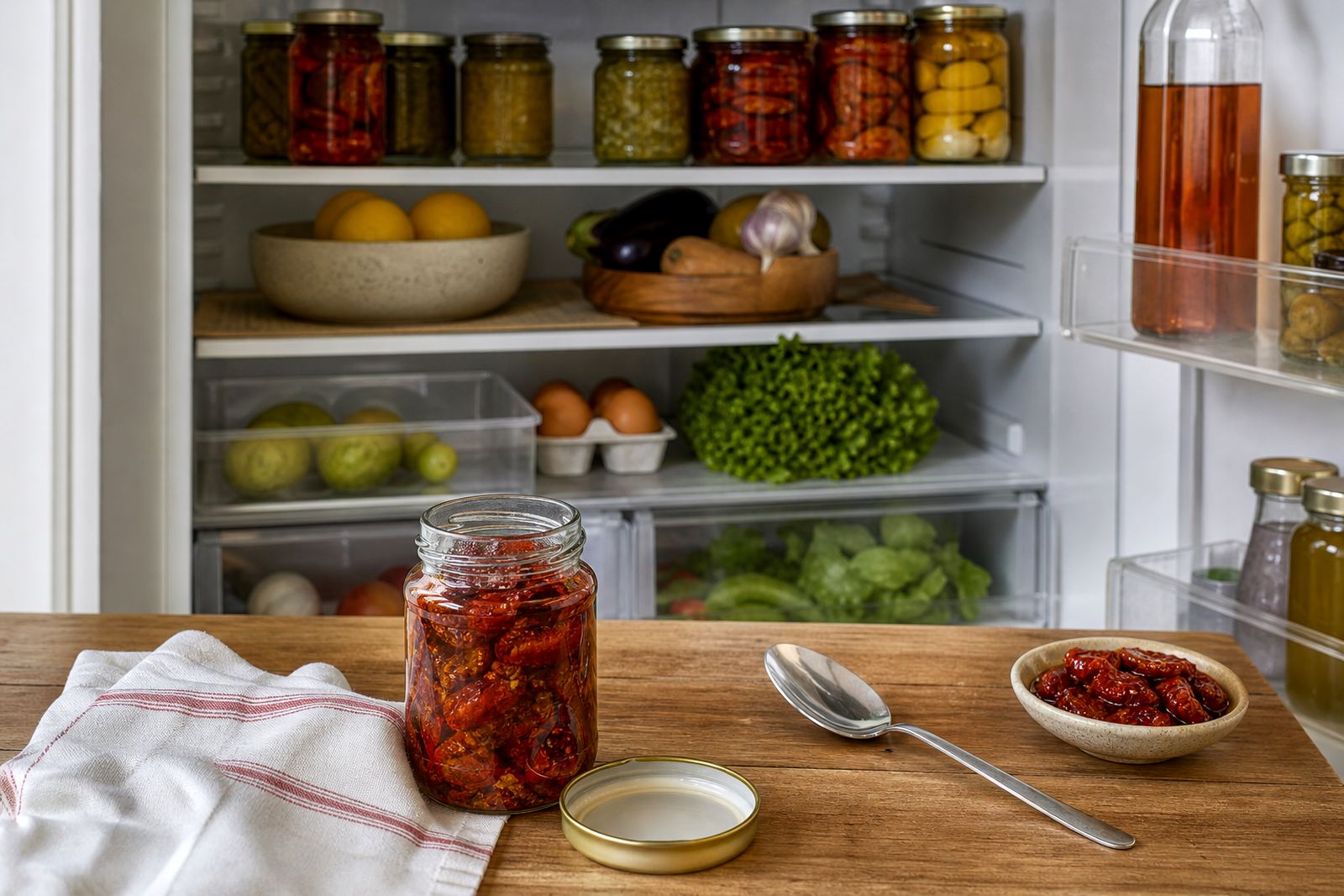
Opened preserves are often forgotten when they get pushed to the back of the fridge. Put them on a front shelf where they are visible and easy to reach. In homes across Cape Town and Stellenbosch, that little bit of order helps when the kitchen is being used for school lunches, braais or quick suppers.
If your pantry gets warm during summer, move the jar to the fridge once opened. Coastal humidity in Durban can also make jars feel sticky on the outside, so give the glass a quick wipe before it goes back on the shelf. Keep labels facing forward and group similar items together so you can see what needs using up first.
- Use a shallow tray to group opened jars
- Keep sweet and savoury preserves on separate shelves
- Mark the opening date on the lid with a small sticker
- Move jars out of direct sun and away from the stove
Keep the lid and rim under control
The lid is often the first place where a jar starts looking messy. A little preserve on the thread or around the seal can dry sticky and attract dust. After serving, check the rim and wipe it with a clean damp cloth before closing the jar. It is a small step, but it keeps the lid turning properly too.
If the preserve has bits of tomato, onion or pepper in it, those pieces can sit on the rim if the spoon is rushed. Slow down when closing the jar, then tighten the lid enough to seal without forcing it. On a load shedding evening in Pretoria or Gqeberha, this kind of care helps because you want the jar closed properly before the kitchen goes dark.
- Wipe the thread before replacing the lid
- Dry the outside of the jar after every use
- Check for stuck pieces around the seal
- Close the jar with clean hands, not a cloth that has been used elsewhere
Use small containers for serving at the table
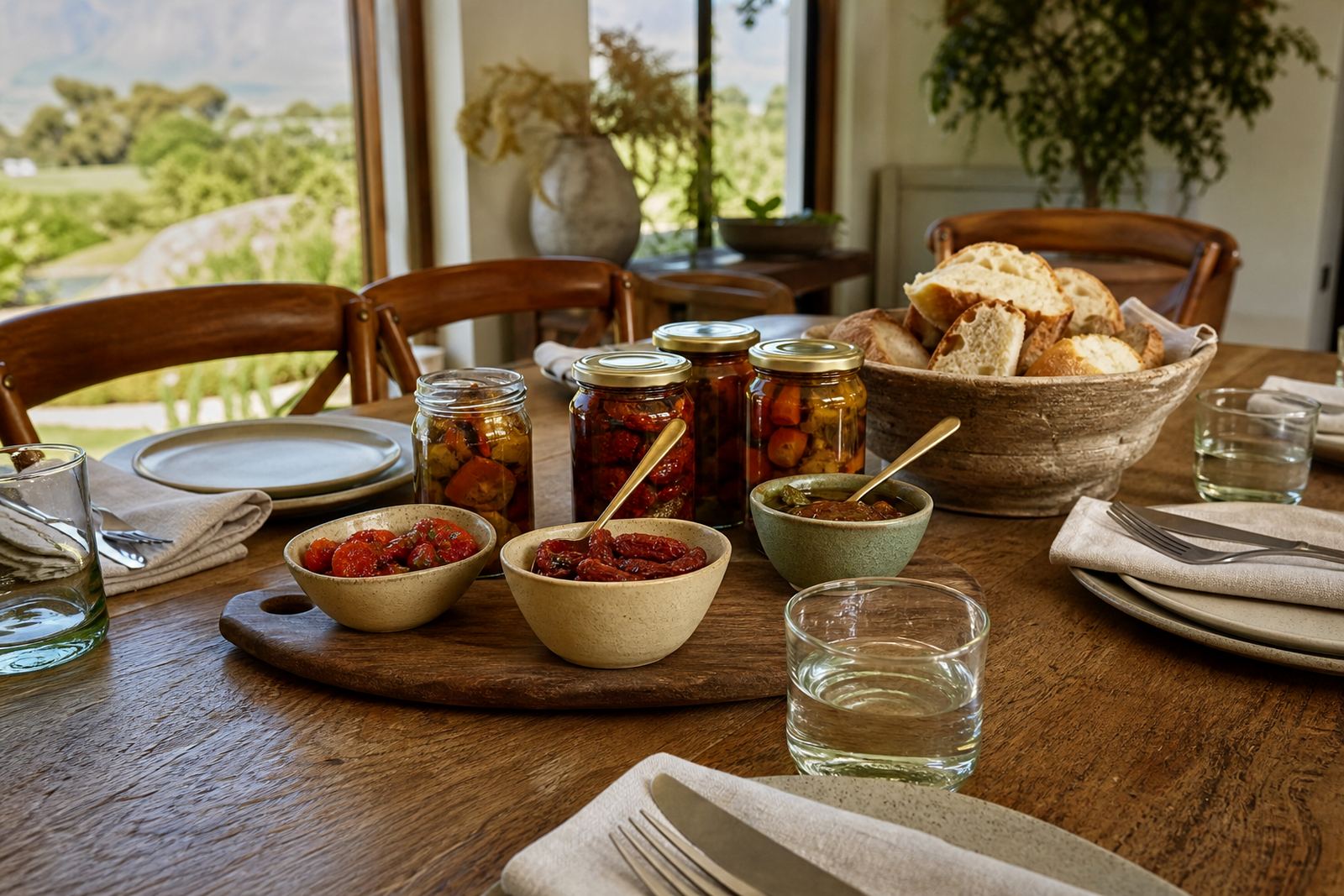
For shared meals, it helps to decant a little into a smaller bowl rather than putting the full jar on the table. That keeps the main jar neat and avoids extra handling. It also looks better when you are serving toast, crackers, grilled chicken or cheese plates at home or at a guest table in Somerset West.
Smaller dishes are handy for events too. If you are setting up wedding orders, event favours or hospitality tables, a neat serving bowl means guests can help themselves without crowding the jar opening. If any preserve is left over, return it to the fridge in its original jar and keep the serving bowl for the next round. It sounds simple, but it saves mess later on.
- Use a spoon for serving and a separate spoon for the jar
- Choose a dish with a wide rim so guests do not touch the preserve
- Return leftovers to the fridge soon after the meal
- Never pour used oil or brine back into the main jar
Make space for jars in a busy pantry
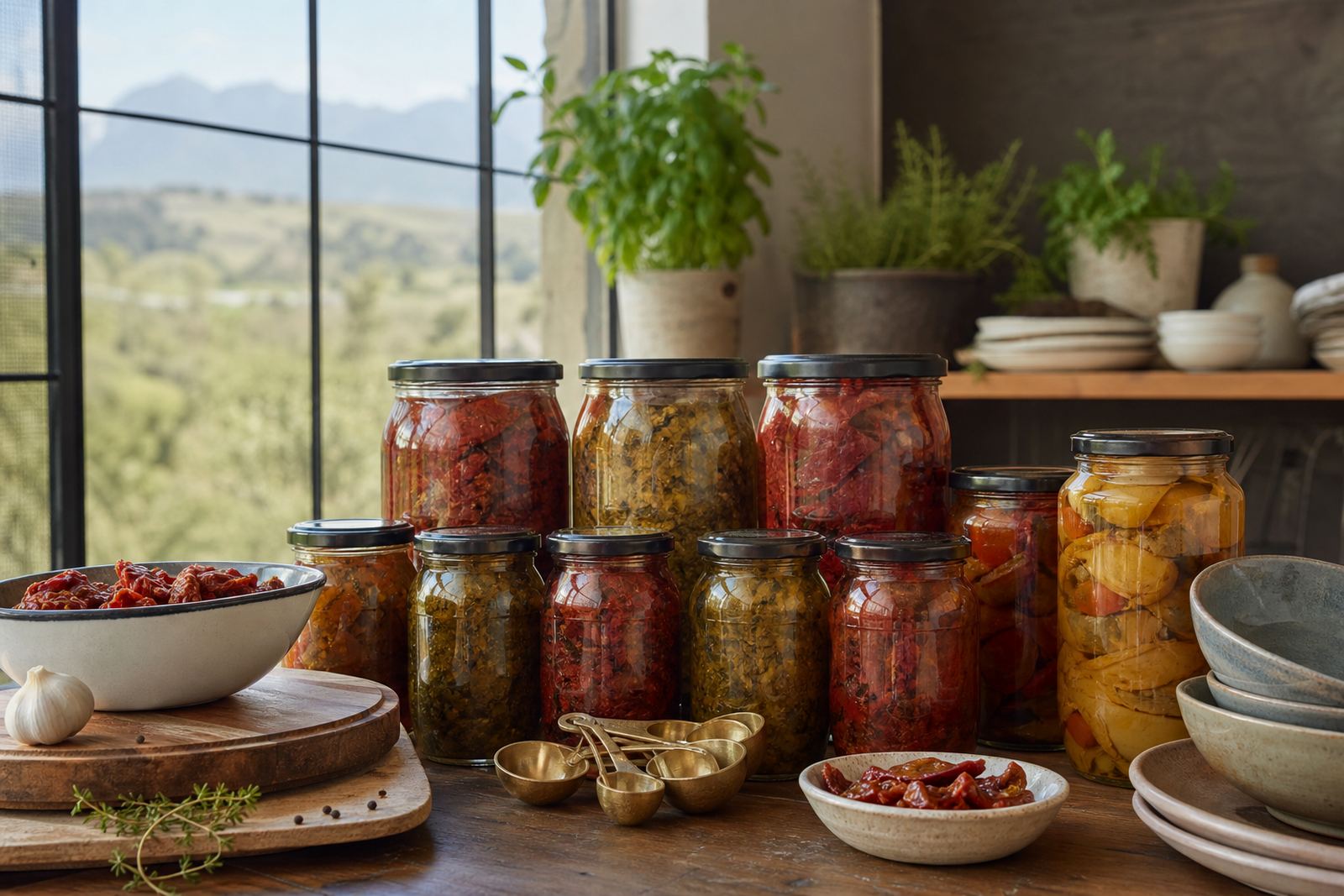
A neat pantry is easier to manage when jars have their own place. Set aside one shelf or one basket for opened items and keep the heavier jars lower down. That works well in family kitchens in Durban, Gqeberha and Cape Town where there is often a mix of spices, sauces and baking supplies in the same cupboard.
If you keep subscription boxes, bulk orders or seasonal stock at home, arrange the jars by type and opening date. Put the oldest ones at the front so they are used first. When a jar is nearly finished, rinse the empty glass soon after it is empty and recycle it according to your local municipal rules. A tidy shelf is easier to keep tidy when there is no clutter left behind.
- Give opened jars one dedicated storage spot
- Keep jar sizes together for easier stacking
- Use the front row first and rotate stock
- Rinse empties promptly so they do not smell or attract insects
A Paarl routine that works on ordinary weekdays
In Paarl, where many kitchens run from early morning until late supper, a simple jar routine can save time. One family may use sun-dried tomato preserves with eggs at breakfast, then bring the same jar out later for pasta or sandwiches. If the lid gets wiped and the spoon stays clean each time, the jar still looks good on day four or five.
The same habit works for stockists, hospitality teams and home cooks who order by the case. Keep the jars cool, close them properly and store them where they are easy to reach. It is ordinary kitchen sense, but it makes the pantry feel calmer and the serving table look more put together. And when you are short on time, that matters more than it sounds.
For busy homes and food service alike, neat jars start with a clean spoon and a clear shelf.