Why Good Preserve Starts With Farm Timing
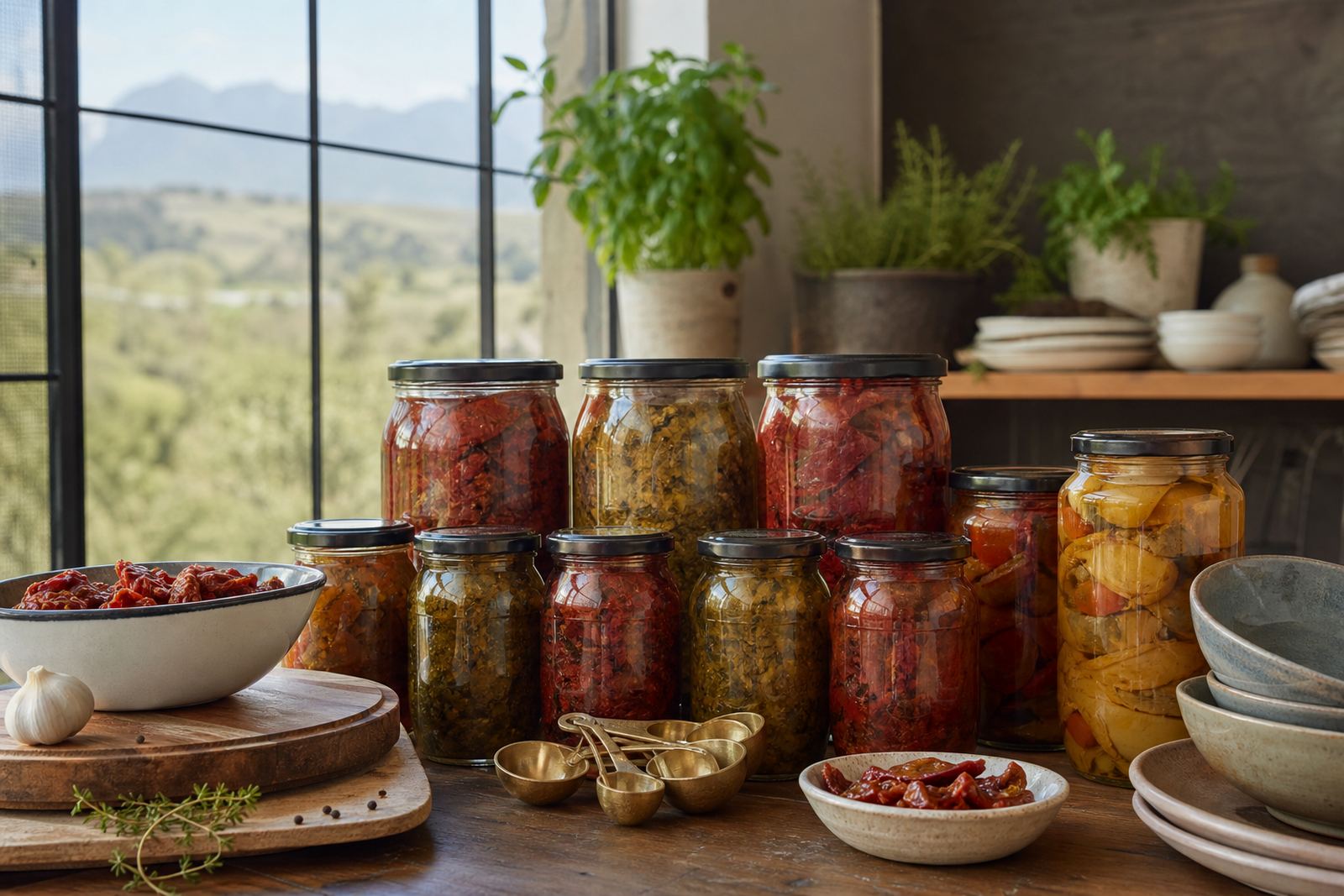
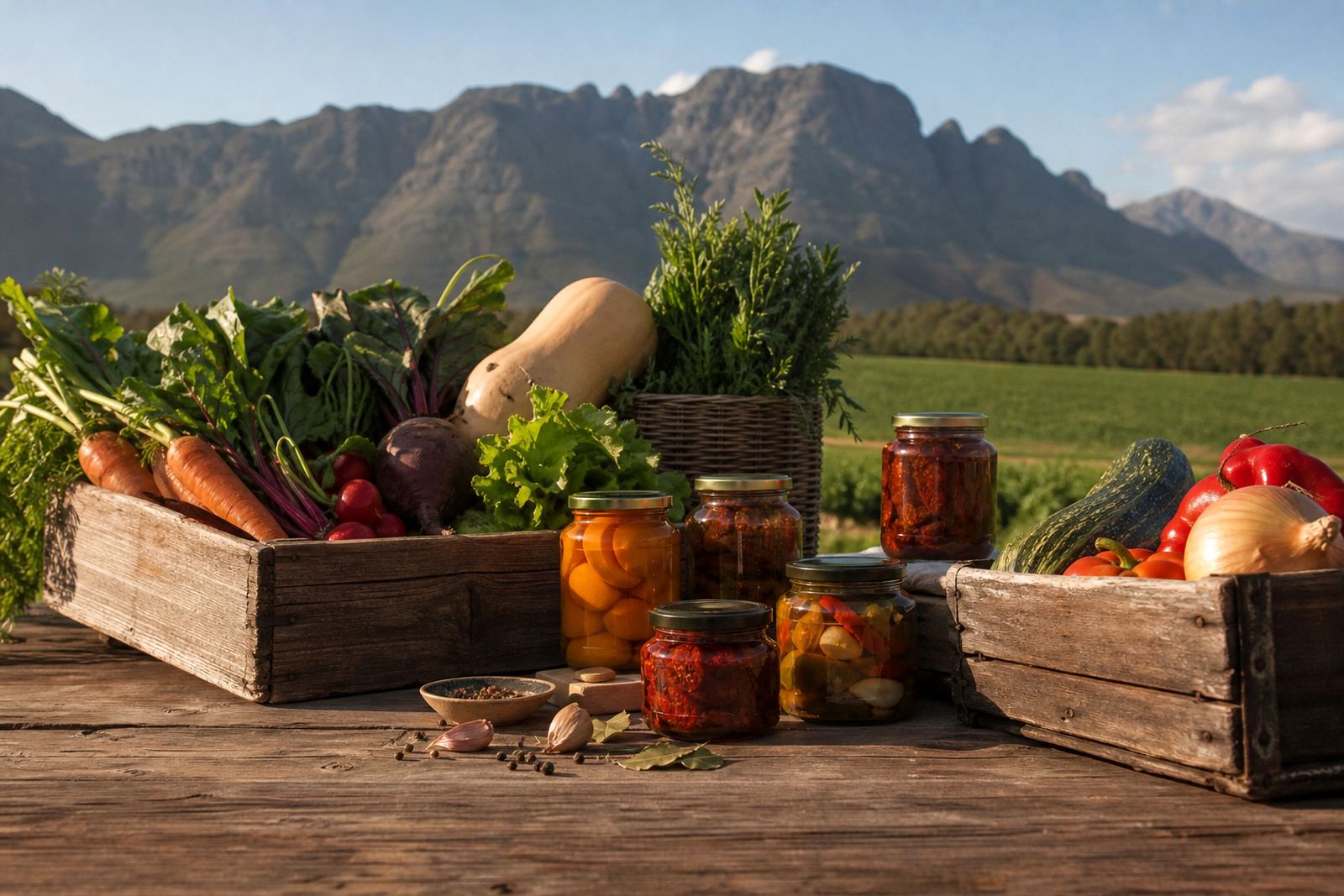
Any jar of sun-dried tomato or pickle preserves starts long before the lids are tightened. The first decision is timing. Produce that is picked too early can taste sharp or watery, while produce left too long can lose its shape and handling quality. In the Western Cape, that timing matters because heat, wind and transport distance all affect the condition of the crop by the time it reaches the production kitchen.
For a business working from Paarl, farm selection is not just about flavour. It is also about consistency across the season. A bulk order for a restaurant in Cape Town or a gift hamper sent to Pretoria needs jars that pour, spoon and plate the same way. That only happens when the fresh produce arrives in the right size, with firm skins and clean handling from the start.
- Look for produce that has been sorted by size before processing.
- Ask whether the crop is used fresh, dried or pickled soon after harvest.
- Check that the supplier can handle repeat orders, not just one-off batches.
From Farm Gate To Prep Table In Paarl
In a practical preserve kitchen, the first job is sorting. Tomatoes are checked for blemishes, bruising and moisture. Pickling vegetables are trimmed, washed and graded so that the final jars have a neat finish. Nothing fancy is needed, just careful work and a steady hand. If the incoming produce is uneven, the result is uneven too.
Paarl is a useful base because it sits close to farming areas and major courier routes. That helps keep lead times manageable for orders going to Stellenbosch, Somerset West and Cape Town. It also means the team can receive produce, prep it and move it through the production line without letting it sit around for too long. In summer especially, that speed matters a lot.
At this stage, local knowledge counts. A farm lead who understands which growers deliver best at certain times of year can help avoid waste and keep the flavour profile steady. Jars are only as good as the raw ingredients inside them, so the supply side is part of the recipe.
Sun Drying, Pickling And The Work Of Balance
Sun-dried tomato preserves depend on concentration. The moisture is reduced so that the tomato flavour becomes fuller and more useful in cooking. Pickles work differently. They need balance between acidity, seasoning and crunch so they can hold up in a sandwich, on a board or beside grilled meat. Both methods rely on simple discipline and clean process control.
In a Western Cape setting, drying conditions can change quickly. A clear morning can turn windy by afternoon, so trays and prep batches have to be watched carefully. That is one reason experienced production teams keep records of how each batch behaves. If a batch dries faster than expected, the cut size or tray loading may need adjusting. Small changes make a big difference.
- Keep batches consistent in cut size and fill weight.
- Monitor drying and brining times instead of guessing.
- Use clean, dry jars and lids so the finish looks tidy on shelf.
For home cooks, this is the part that often gets overlooked. A good preserve should be ready to use straight from the jar, without extra faffing around. It should spoon out well, hold its shape and add depth to the dish without taking over.
Why Packaging Matters More Than People Think
Packaging is not only about appearance. It protects texture, supports shelf presentation and makes courier handling easier. A well-packed jar should arrive in one piece after a trip to Johannesburg, Durban or Gqeberha, with the label intact and the contents still cleanly settled. That is especially important for gift boxes, event favours and corporate orders where the unboxing matters as much as the product itself.
For hospitality supply, packaging also needs to stack well and store neatly. Kitchens do not have room for awkward boxes or jars that tip over in the storeroom. Practical pack sizes help chefs and caterers plan service, whether they are buying a few jars for a tasting platter or a bulk order for regular use. It sounds basic, but these details save time every week.
Customers often ask how to choose between individual jars and mixed packs. The simple answer is to match the format to the job. A restaurant might want steady bulk supply, while a wedding planner may prefer smaller, coordinated jars for table gifts. Different uses, different pack plans.
A Local Example: Paarl Produce For A Table In Cape Town
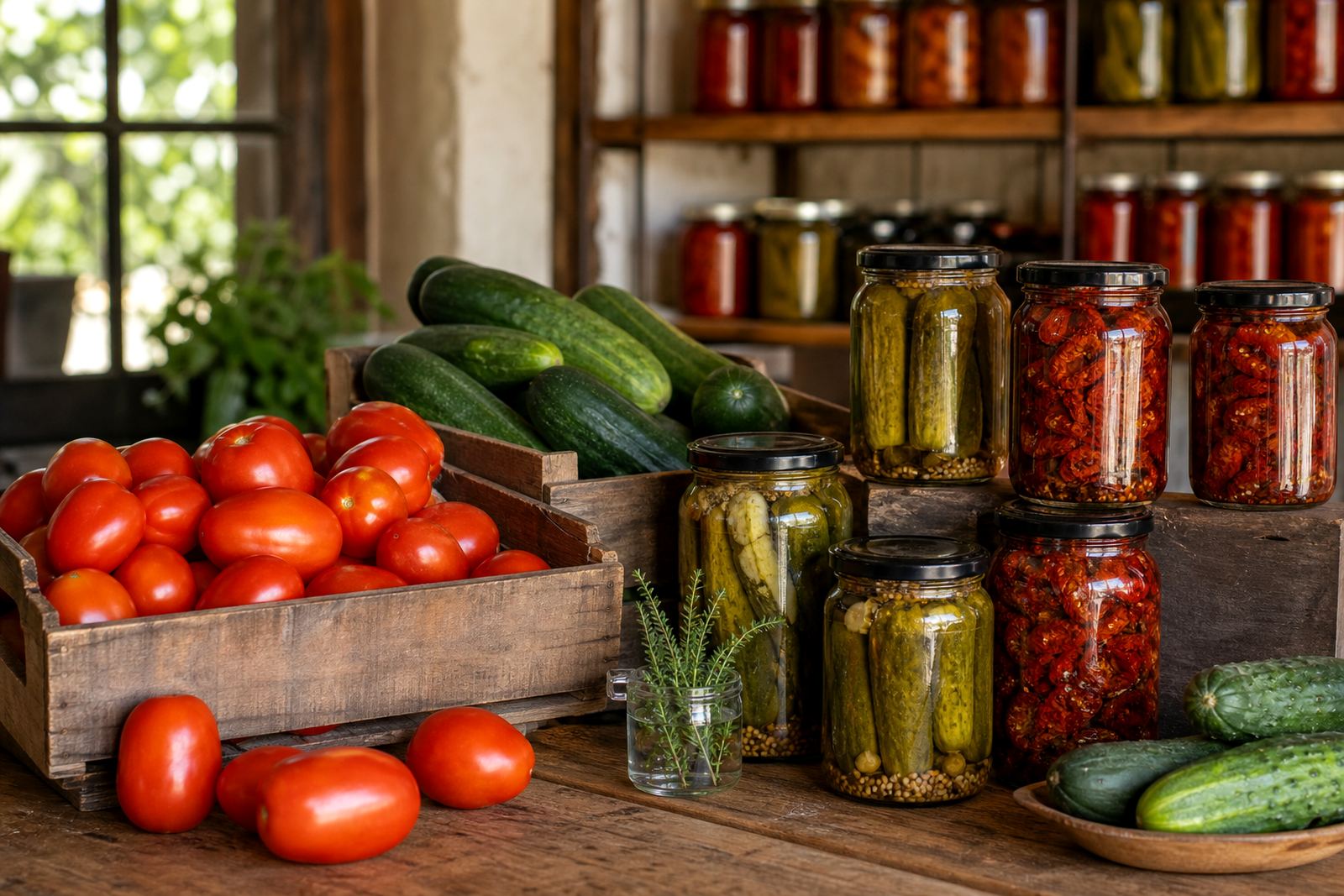
Picture a summer order going from Paarl to a small event venue in Cape Town. The customer wants a mix of sun-dried tomato preserves and pickles for grazing tables, plus a few gift boxes for hosts. The produce is selected from local farms, processed in batches and packed for courier collection. By the time it reaches the venue, it is ready to go straight onto boards, platters and condiment bowls.
That kind of order shows why local sourcing is practical, not just a nice story. The shorter the chain, the easier it is to keep communication clear between farm, production, fulfilment and customer care. If a stockist in Somerset West needs a repeat order, or a caterer in Pretoria needs seasonal quantities, the team can work from actual production realities rather than vague estimates. It saves time and avoids disappointment.
- Use local sourcing when you need better batch control.
- Choose courier-friendly packaging for long-distance delivery.
- Plan seasonal orders early for weddings and year-end gifting.
How To Use Preserves In Everyday Cooking
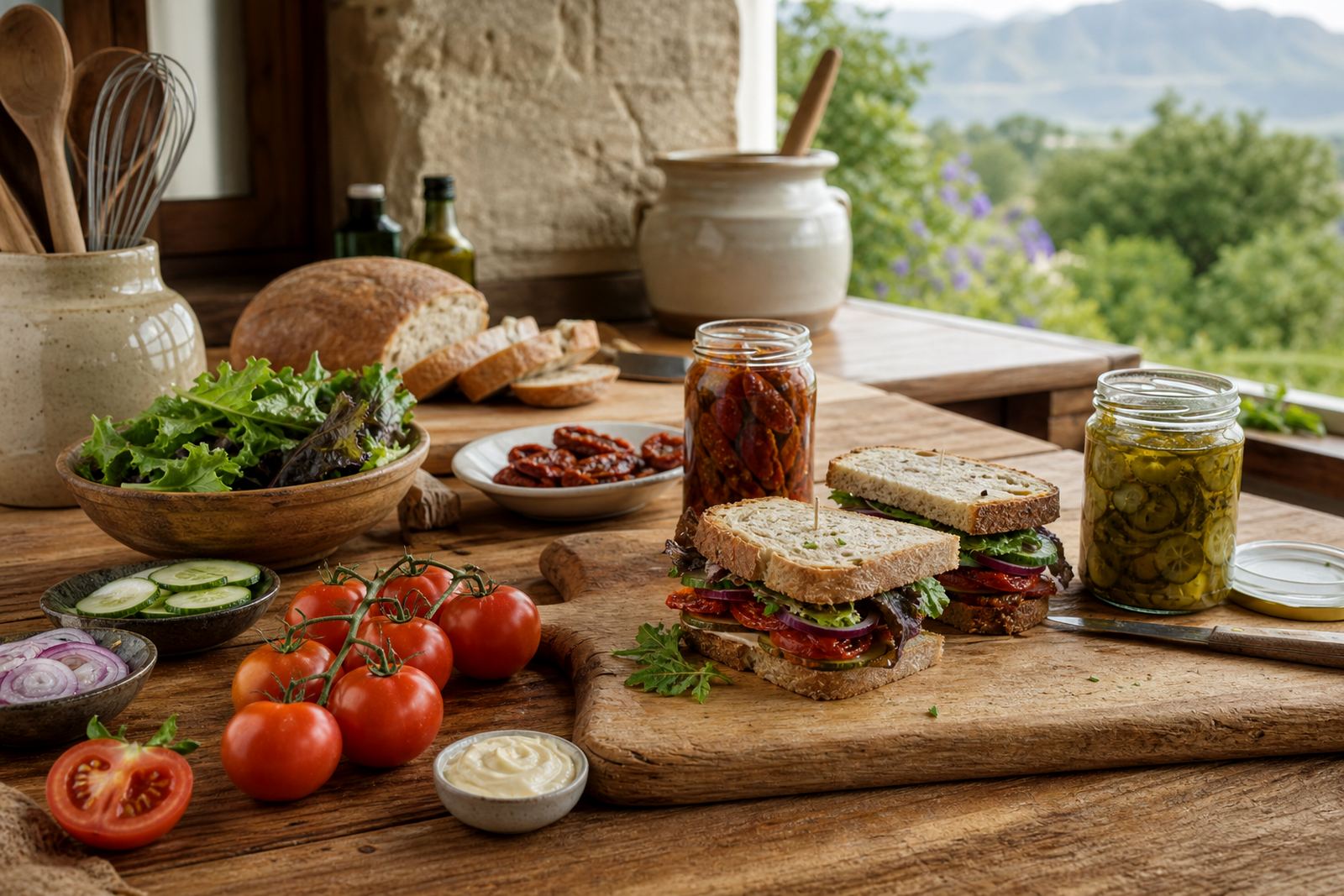
Good preserves should be useful. Sun-dried tomato preserves can be stirred through pasta, layered into toasties, added to savoury tarts or served with roasted vegetables. Pickles can cut through rich dishes, sit beside cold meats or add bite to a lunch plate. The aim is not to hide the jar in the back of the cupboard. It is to use it often, in normal cooking, where the flavour can do its job.
When buying for the home, it helps to think about how often you cook and what you already keep in the pantry. If you like quick meals, choose jars that can be used in more than one way. If you are buying for a gift, pick mixes that suit a range of tastes. For event favours and hospitality supply, consistency across the order is key so each guest gets the same experience.
At Cumato, the story stays simple: local produce, careful preparation and courier delivery across South Africa. That is how a farm ingredient becomes something ready for a pantry shelf, a catering order or a wrapped gift. Nothing overdone, just proper food work done well.