
Start With The Cut: Slices, Chunks Or Fine Bits
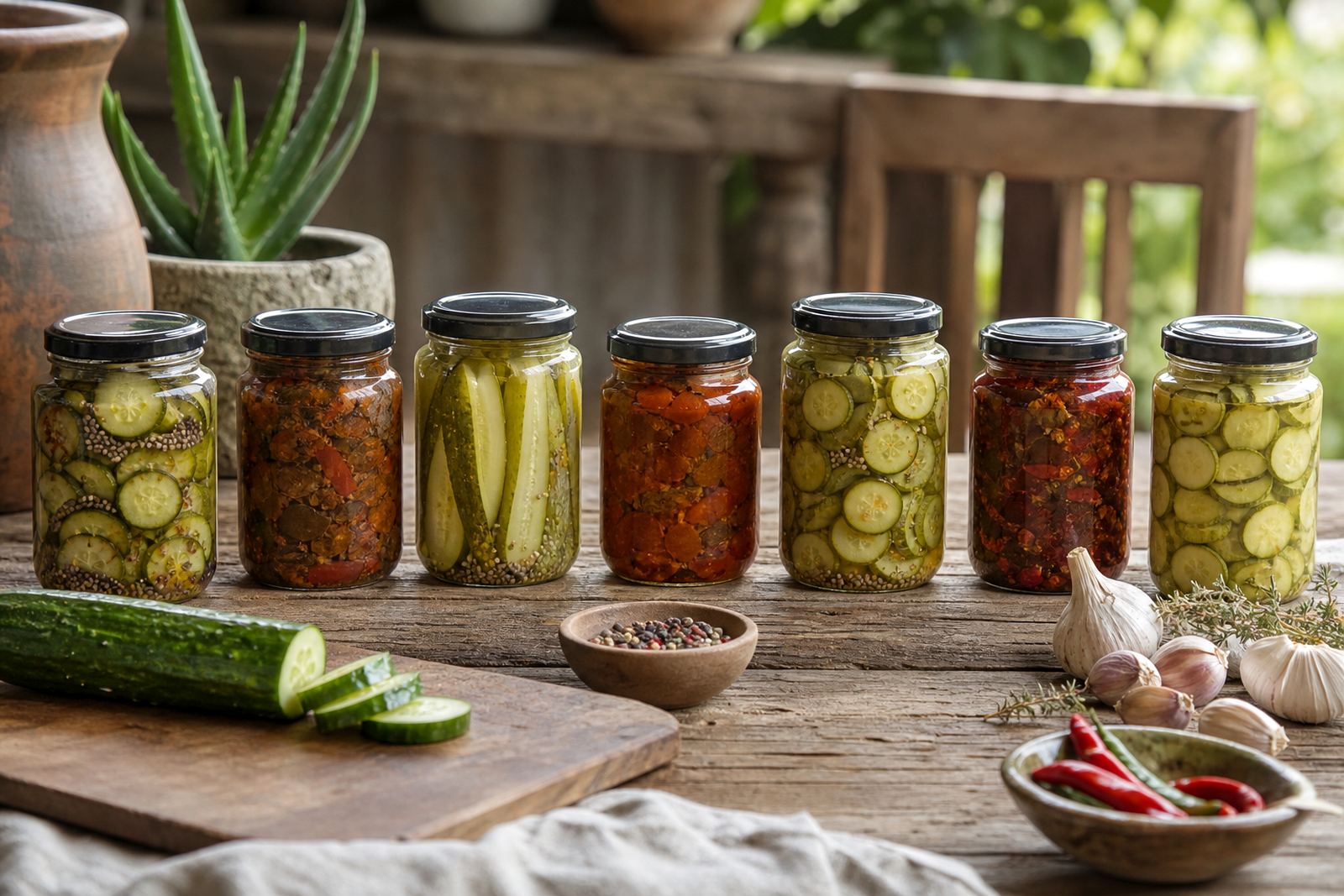
The cut changes how a pickle behaves on the plate. Thin slices give you even flavour in every bite and sit neatly in sandwiches, wraps and burgers. Chunkier pieces bring more crunch and work well next to grilled meats, vetkoek fillings or a spread of cold cuts. Finer bits are useful when you want a spoonable topping for eggs, roast chicken or a potato salad that needs a sharp lift.
If you are stocking a family fridge in Paarl, or sending a gift box to Cape Town or Pretoria, think about what gets used first in your kitchen. A jar that is easy to spoon straight from the fridge is handy for weekday meals, while a neater sliced style suits lunch prep and packed meals. If you like to cook ahead for the week, keep one jar for topping and one for mixing through a dish.
As a quick rule, choose a wider cut for texture and a smaller cut for fast serving. If you are unsure, start with the style you would reach for most often at supper time.
Match The Tang To The Meal
Not every dish needs the same level of sharpness. A milder pickle works well when the meal already carries plenty of seasoning, such as boerewors rolls, roast chicken, creamy pasta or egg mayo sandwiches. A tangier jar is a better fit where you want contrast, especially with fatty meats, grilled sausages, cheese toasties and rich sauces.
When you are pairing pickles with food, ask what role the jar should play. Do you want it to cut through oil and smoke, or to add a quiet note in the background? For braai tables in Durban, Cape Town or Gqeberha, a more lively tang often does the job well because it stands up to grilled flavours. For lighter lunches in Somerset West or Stellenbosch, a softer tang may be easier to use across several dishes without overpowering them.
Here is a simple way to choose:
- Mild tang for everyday sandwiches, salads and lunchboxes.
- Medium tang for burgers, toasties and roast meat.
- Sharp tang for rich, smoky or oily foods that need contrast.
Choose By The Meals You Cook Most Often
The best pickle jar is the one that fits your usual cooking pattern. If you make quick breakfasts, look for a jar you can spoon over eggs, cheese on toast or leftover savoury mince. If supper is often built around meat and starch, a chunkier pickle can sit beside mash, rice or grilled chicken without disappearing into the plate. For homes that do lots of packed lunches, a sliced style is often the most practical because it layers cleanly and keeps its shape.
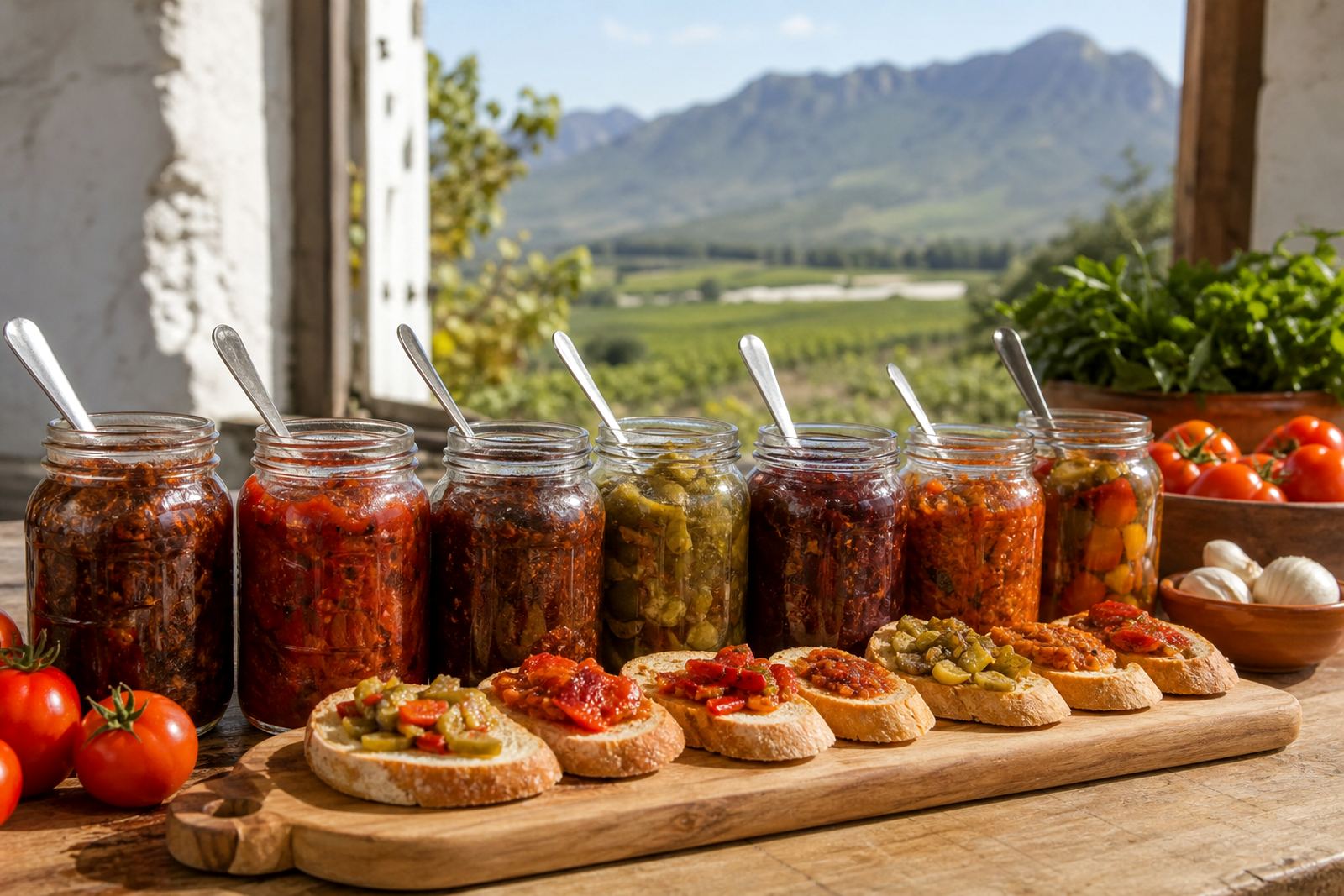
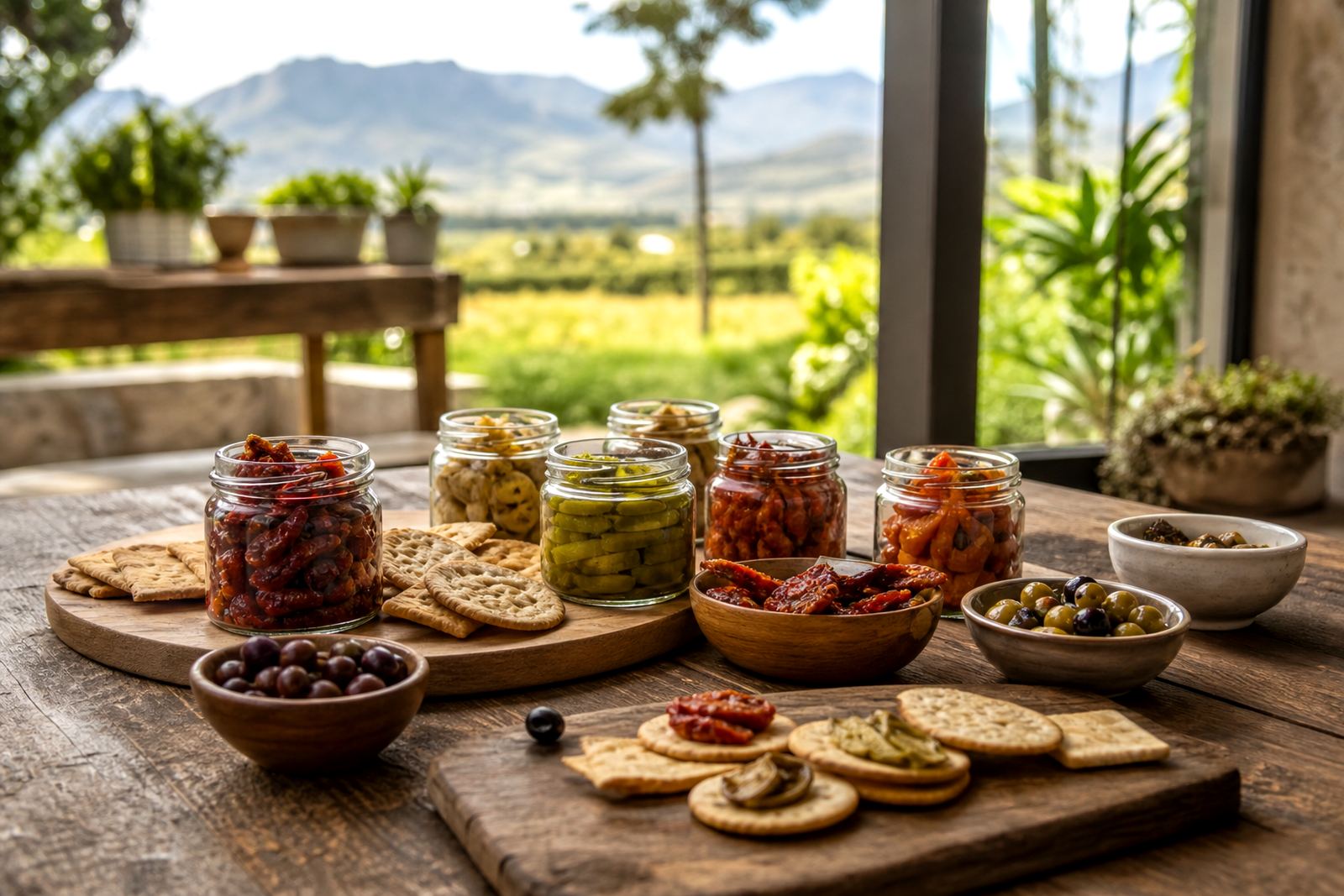
For entertaining, think about the way guests serve themselves. A jar for grazing boards should be easy to place beside crackers, cheeses and cold meats. For Sunday lunch, you may want something that works next to roast lamb or beef. In hospitality kitchens or small cafes, consistency matters, so it helps to choose one jar style that can move between breakfast plates, sandwiches and side orders without extra prep.
- Breakfast use: finer cut, balanced tang.
- Lunch use: sliced or baton style, easy to layer.
- Supper use: chunkier pieces, stronger tang.
- Board use: visually neat, easy to portion.
What To Check Before You Order
Before you place an order, read the jar label with your own meals in mind. Look at the cut, the flavour style and the size of the jar. A smaller jar can be the right choice for trying a new flavour, while a larger jar suits regular use in a busy household or catering setup. If you are buying for a gift box or event favour, consider whether the jar will suit most people at the table rather than only one person’s taste.
It also helps to think about storage and timing. If you live near the coast, where humidity can be a factor, keep the jar tightly closed and use a clean spoon each time. For courier deliveries across South Africa, especially when sending to Johannesburg or Pretoria, it is useful to order ahead if you need stock for a weekend gathering or a special event. That gives you time to plan meals and pack the fridge properly.
Quick ordering checklist:
- Choose the cut that matches how you serve food.
- Pick a tang level that suits your usual meals.
- Decide if the jar is for home use, gifting or bulk supply.
- Order early for events, weddings or seasonal gifting.
Pairing Ideas For Everyday Plates
Pickles work best when they bring balance. A sliced jar can brighten a chicken mayo sandwich, a cheeseboard or a plate of cold meat. A chunkier jar can add interest to pap and vleis, grilled sausages, roast potatoes or a simple bean salad. If you are cooking for mixed tastes, place the jar on the table rather than mixing it through the dish. That way each person can add as much as they like.
In homes around Paarl and Stellenbosch, it is common to build a meal from what is already in the fridge. Pickles help turn leftovers into something more complete. A spoonful can wake up roast chicken, give new life to rice the next day, or balance a rich curry side. They also work well with cheese, savoury pastries and even plain bread when you need something quick.
When in doubt, keep the plate simple. A good pickle should support the meal, not cover it.
Buying For Gifts, Events Or The Pantry
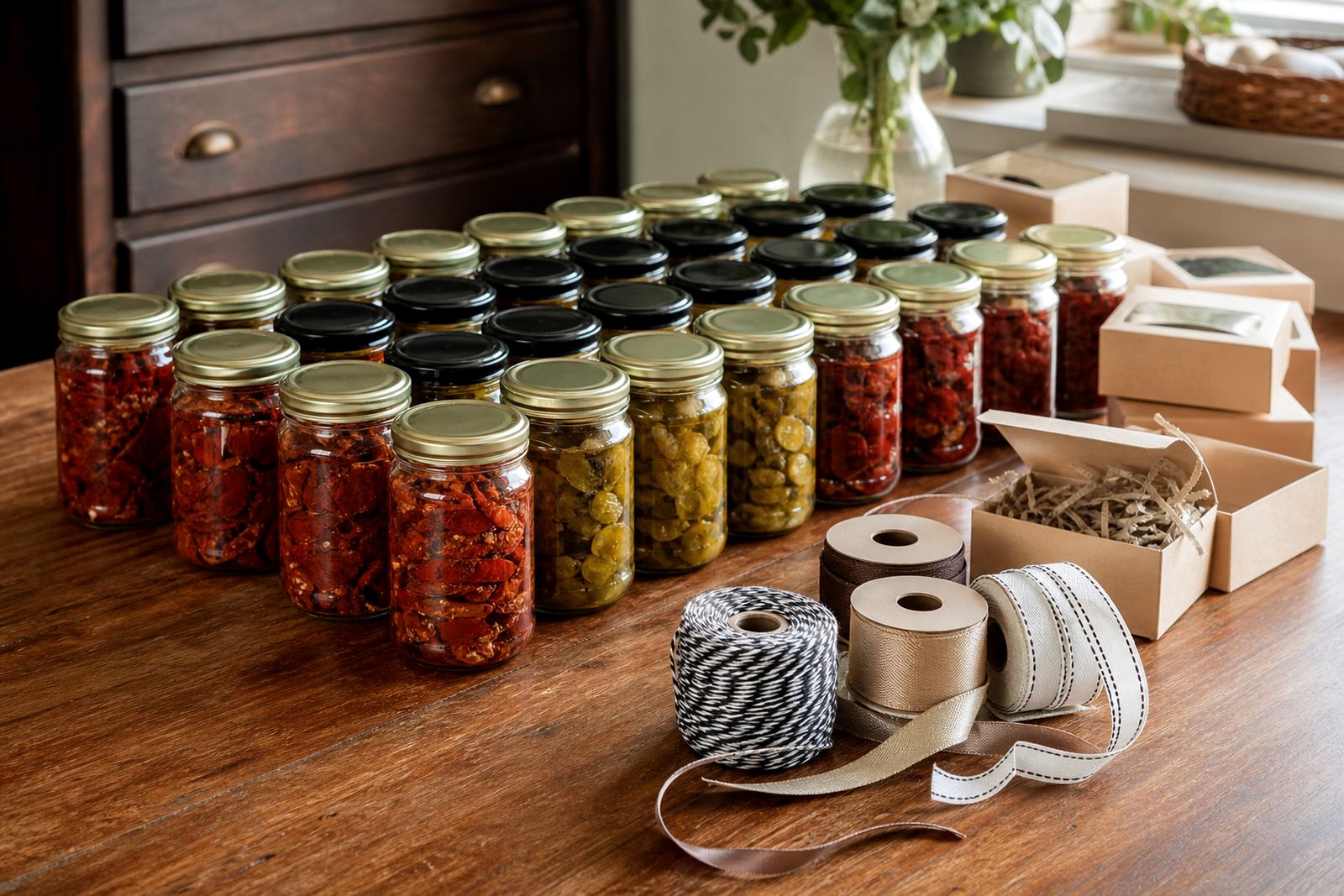
If you are buying for more than one purpose, it helps to split your order. Keep one jar style for daily use and another for gifting or events. That makes it easier to plan for wedding orders, corporate gifting, seasonal hampers and hospitality supply. A neater cut and a balanced tang often suits mixed audiences, while a more distinctive jar works when you know the recipient already enjoys a stronger flavour.
For bulk orders, ask yourself how the jars will be served. Will they go onto buffet tables, into guest hampers or onto a deli shelf? The answer will guide the size and style you choose. If you are in Cape Town, Gqeberha or Durban and need courier delivery, it helps to think about the event date first, then work backwards so the jars arrive in good time and there is no last minute scramble. Small planning now can save a lot of running around later, especially when the week is already full.
At Cumato in Paarl, we help customers choose jars for home kitchens, gifting and trade orders across South Africa. If you are still unsure, start with the meal you make most often and go from there.
A Simple Way To Decide Fast
If you want a quick answer, use this short method. First, name the meal you want to improve. Second, decide whether you need more crunch or more spreadable texture. Third, choose the tang that suits the rest of the plate. That is usually enough to narrow the choice to one or two jars. From there, you can order with more confidence and keep the jars that get used first.
For most homes, the most useful pickle is the one that disappears quickly because it fits normal cooking. That might be a sliced jar for lunches, a chunkier jar for braais or a tangier jar for rich suppers. Once you know your pattern, choosing the next jar becomes much easier. And if you are ordering for more than one branch or family member, you can mix styles so everyone gets something they will actually use.