
Start with the guest count and the kind of meal you are serving
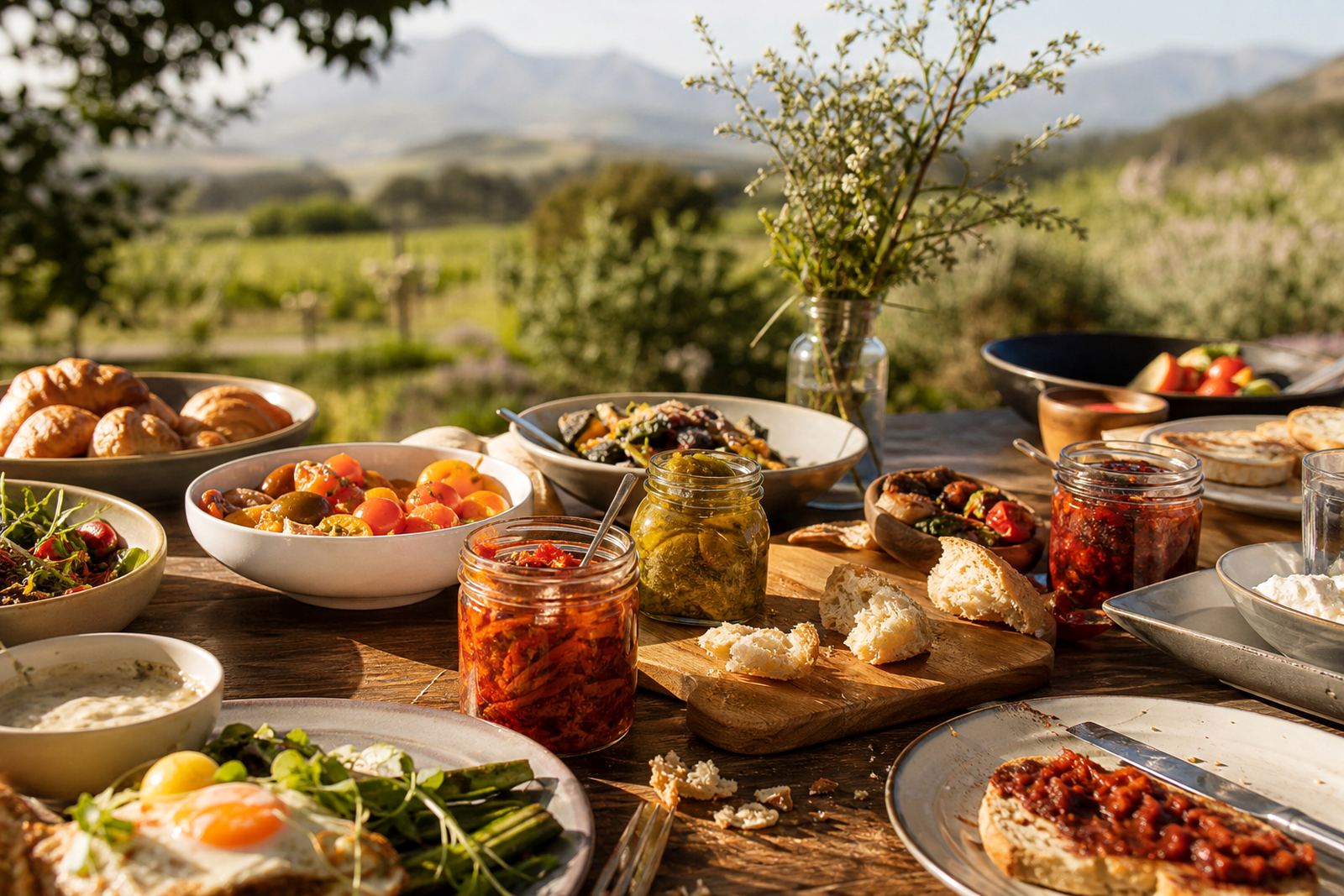
When you are planning for visitors, the first question is not which flavour to buy, but how the jars will actually be used. A breakfast spread for six people needs a different setup from a braai for twenty or a plated lunch where each guest gets a fixed portion. If the preserves are part of a shared table, smaller jars often work best because guests can reach in, pass them around and finish them before the food loses its neat look.
For a casual gathering, allow one small jar for every 4 to 6 guests if the preserve is being used as a side, topping or sandwich filler. If it is central to the menu, such as a cheese board, roast meat platter or picnic table, plan for one jar for every 2 to 3 guests. That gives you enough to go around without leaving half-open jars on the counter after everyone has finished eating.
It also helps to think about the pace of the meal. Long, relaxed lunches in Paarl or Stellenbosch often suit a few smaller jars that can be brought out as needed. For a quicker event, like a corporate tea or school fundraiser, larger jars are easier to set out and replenish, especially when you have other dishes to manage.
Match the jar size to the way guests will serve themselves
Not all hosting styles need the same format. If the preserve will be spooned onto crackers, paired with cheese or used as a topping for roast chicken, a small jar is usually the cleanest choice. It keeps the table looking tidy and makes it easy to set out several flavours without crowding the serving area. For buffets, this matters more than many hosts expect.
If the preserve will be used repeatedly through the meal, such as with breakfast breads, savoury scones or grilled meats, a medium jar is often the safer buy. It gives you enough product for a full table without having to open a second jar too early. This is useful for home hosts in Durban or Gqeberha too, where warmer weather can mean food sits out a bit longer, so you want manageable portions on the table.
- Small jars suit tasting tables, gift boxes and intimate dinners.
- Medium jars work well for buffets, family lunches and casual entertaining.
- Larger jars are useful for catering, repeat serving or bulk table use.
A practical rule is to choose the smallest size that still lets you finish the jar during the event. That keeps the food fresh and avoids setting out more than people can reasonably use.
Use flavour intensity to guide the portion plan
Sun-dried tomato preserves and pickled preserves are usually served in smaller amounts than plain spreads, because the flavour can be quite concentrated. A little can go a long way on toast, in pasta salads, or alongside grilled halloumi and cold meats. If you are serving richer food, these jars can balance the plate without needing large portions.
For stronger flavours, smaller jars make sense at a tasting or gift table. Guests can sample a spoonful with bread or cheese and move on to the next dish. For milder pickle-style preserves, medium jars may be more suitable if you expect guests to come back for seconds, especially at long weekend lunches where people graze rather than sit for one formal plate.
Think of the jar as part of the flow of the menu. If the meal already includes several sides, one or two smaller jars may be enough. If the preserve is carrying the flavour on its own, such as on a sandwich board or brunch platter, then the next size up often saves you from running short.
Choose hosting jars that suit the room and the weather
Where you host matters as much as how many people you invite. In coastal towns like Cape Town, Somerset West or Gqeberha, heat and humidity can affect how long food sits comfortably on the table, especially if you are serving outside. Smaller jars are easier to bring out in stages, so the table stays neat and the preserve is not left open too long.
In the Western Cape winelands, where long lunches and shared platters are common, hosts often prefer a mix of one or two medium jars with a few smaller ones for variety. That works well if you are setting up a grazing table for a birthday, engagement or year-end gathering. It also makes clearing up simpler because you can pack away finished jars without disturbing the rest of the food.
- Outdoor events usually work best with jars that can be opened and finished quickly.
- Indoor events can handle slightly larger jars if guests are seated and served in turns.
- If the table is busy, use several smaller jars instead of one large one to keep serving orderly.
For summer events, plan with shade, cool surfaces and a sensible serving order. Even a good preserve is easier to manage when the host is not rushing between the kitchen and the table.
Hosting gifts, favours and corporate tables need different jar sizes
When the jars are being used as gifts rather than shared food, the sizing choice changes again. Small jars are the best fit for wedding favours, staff thank-yous and event handouts because they are easy to pack, label and distribute. They also feel considered without being too bulky for guests to take home in a bag or box.
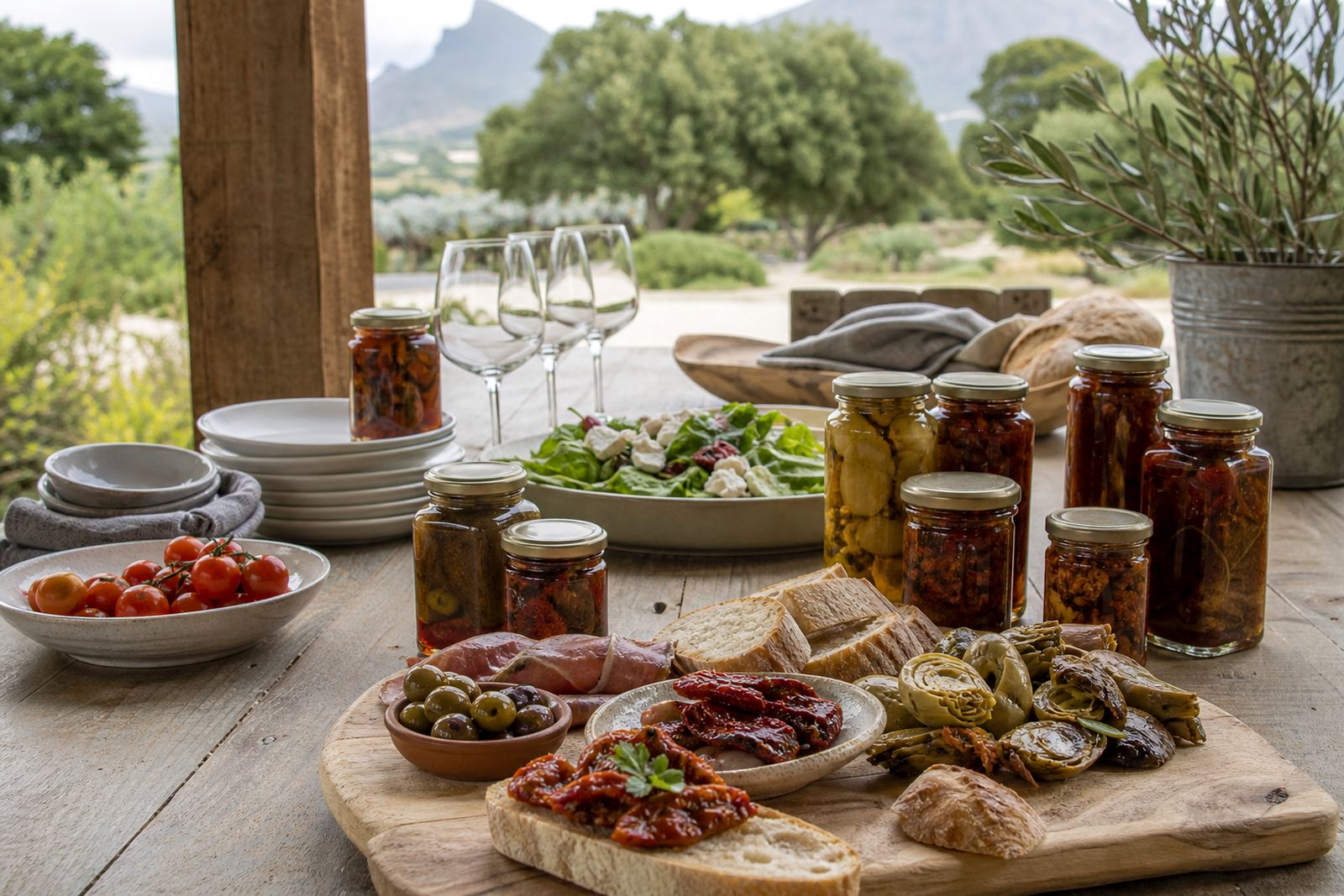
For corporate gifting and hampers, a mix of jar sizes usually gives the best result. One small jar pairs well with savoury biscuits, fresh bread, olives or a bottle of juice. Medium jars work better when the gift is meant to cover more than one meal. If you are ordering for a function in Johannesburg or Pretoria, where delivery schedules can be tight, mixed sizes also help with packing and stock control.
If you are supplying a hospitality table, consistency matters. Keep the jar size matched across the whole setup so the display looks planned. A table with random sizes can feel untidy, even if the food itself is excellent. Clean presentation counts, especially when the jars are part of a reception or client event.
A Paarl example: planning jars for a weekend braai
Picture a Saturday braai in Paarl with 18 guests, including children, with bread, grilled meats, salads and a cheese board. In that setting, a practical plan would be two medium jars for the main table and one or two smaller jars for the cheese and bread station. That gives enough for generous sharing without overloading the spread.
If the preserve is being used in dishes too, for example stirred into a warm tray bake or served with roast veg, you may want one extra jar on hand. It is always easier to keep one unopened than to discover midway through lunch that the table has emptied the last jar and everyone is asking for more. Simple planning avoids that awkward pause.
For smaller family gatherings, one medium jar and one small jar is often enough. For larger events, particularly if guests are arriving in waves, choose enough jars so each serving point has its own supply. That way the host is not running around with a spoon in one hand and a cutting board in the other.
Order with the serving plan in mind, not just the flavour list
The best jar size is the one that fits the way you entertain. If you host often, keep a few small jars for quick use and a few medium jars for busier meals. If you are planning for a single event, work backwards from the menu: how many guests, how many dishes, how long the food will be out and whether the jars are being served, gifted or packed into hampers.
Cumato in Paarl supplies sun-dried tomato and pickle preserves across South Africa, with courier delivery to Cape Town, Johannesburg, Pretoria, Durban and Gqeberha. For hosting, that means you can choose the jar format that suits your table, whether it is for a quiet family lunch, a wedding favour order or a larger corporate spread. If you are unsure, start with the guest count and build from there, not the other way round.
Good hosting is usually about small decisions done well. Jar size is one of them.