
Why preserves suit a grazing table
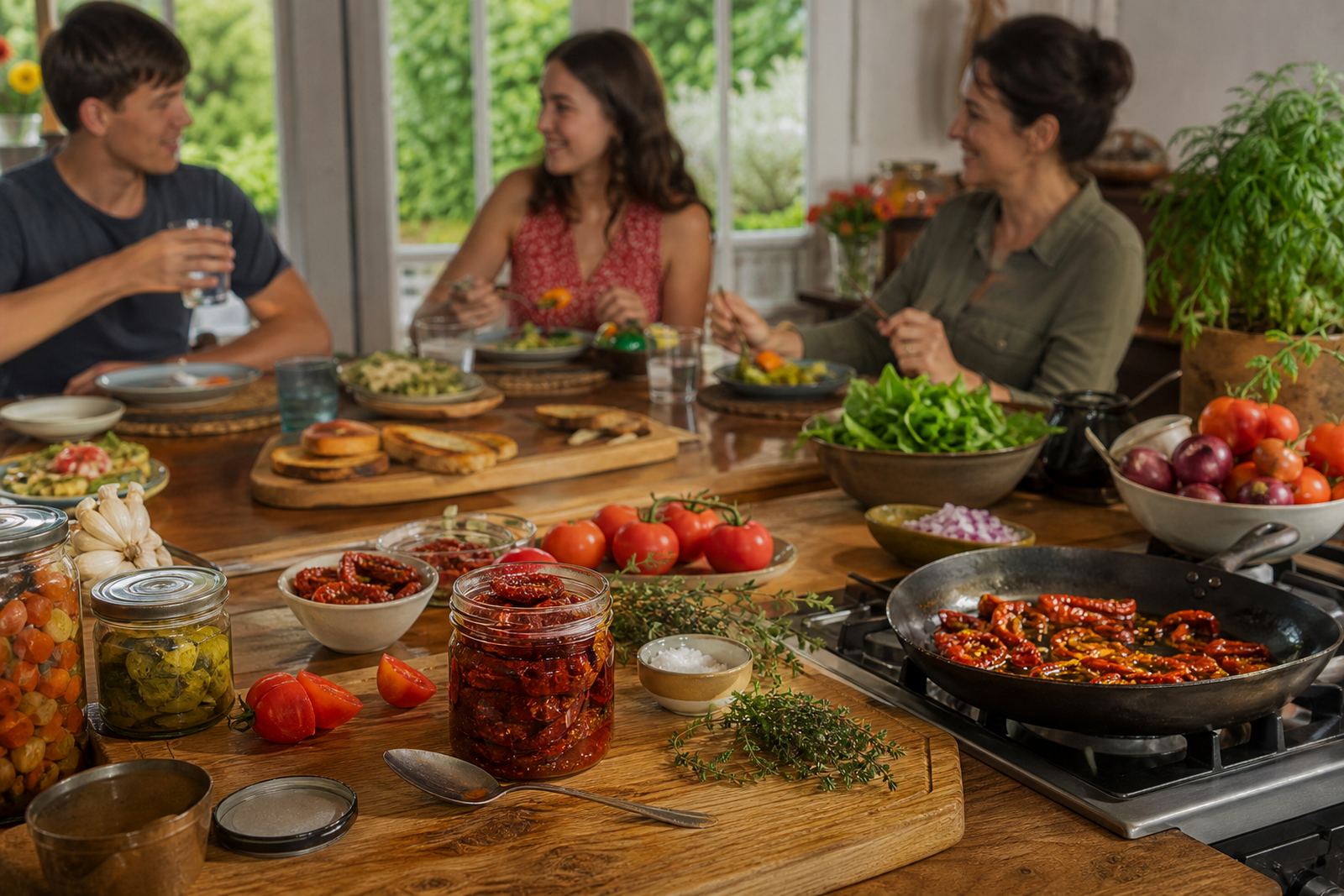
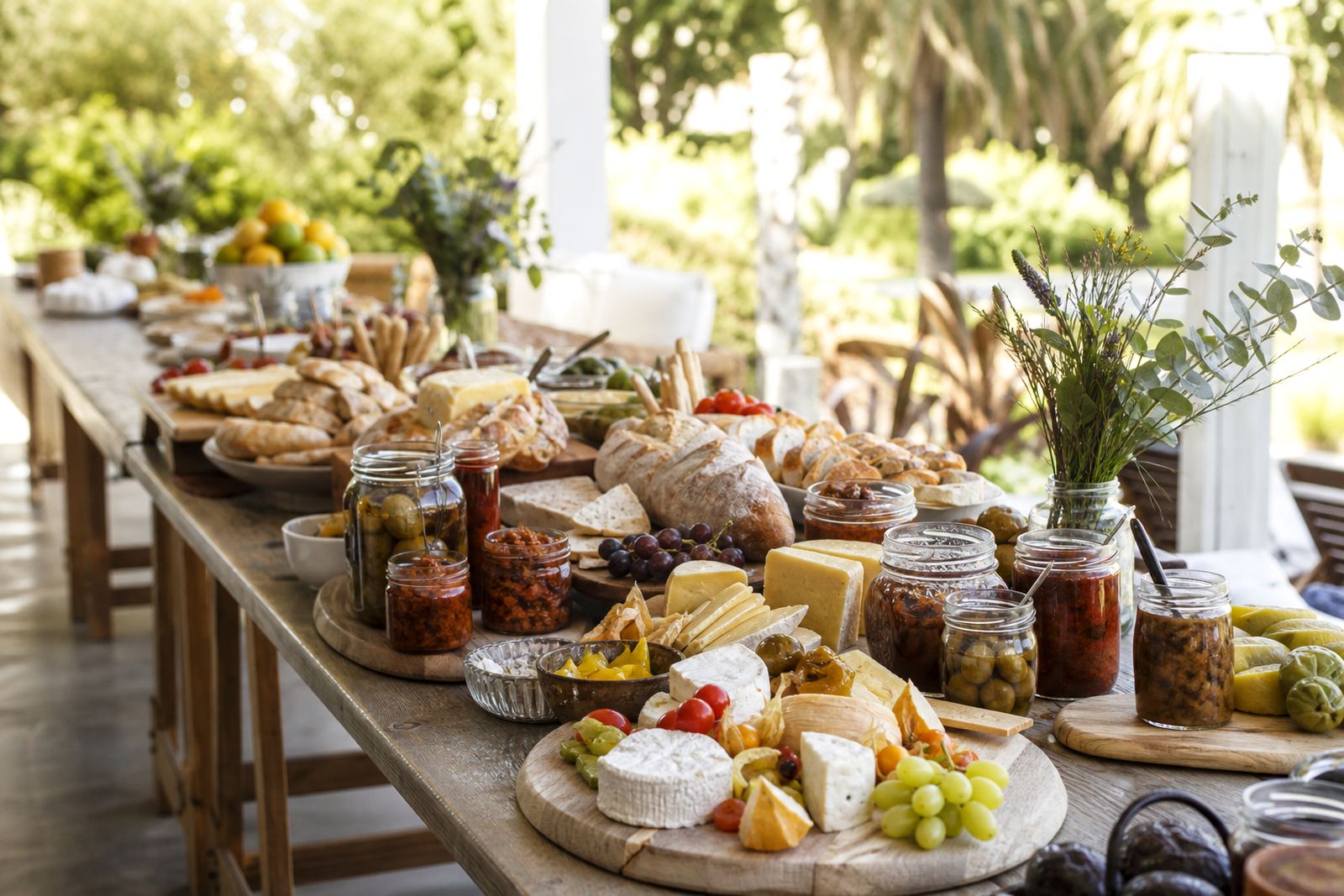
A good grazing table is not only about quantity, it is about pace. Guests move from crackers to cheeses, breads, olives, cold meats and fresh produce, so a jar of sun-dried tomato preserve or pickle gives them something to spoon, swipe and layer into each bite. It keeps the table from feeling flat and adds a familiar savoury note without needing complicated preparation.
For weddings in Stellenbosch, office launches in Cape Town or year-end functions in Paarl, preserves also help bridge different tastes. One guest wants a sharper pickle to cut through rich cheese, another prefers sun-dried tomato folded into cream cheese or spread on sourdough. The table feels more complete when there is a few jars in the mix, not just platters of sliced food.
Typical equipment for setting up the spread
Most grazing tables do not need specialist gear. What matters is enough surface space, safe temperature control and a layout that keeps guests moving without crowding. In coastal areas like Gqeberha and Durban, where heat and humidity can change how food holds up, chilled items and covered service pieces are worth planning for. In winter events across Johannesburg and Pretoria, indoor lighting and room temperature are usually easier to manage, but the same careful layout still applies.
- Long tables or joined trestles with clean tablecloths or runners
- Small jars or ramekins for preserves, relishes and spreads
- Serving spoons, butter knives and small tongs
- Boards and platters for breads, cheeses and charcuterie
- Ice pans, chilled trays or insulated tubs for sensitive items
- Labels for allergens and flavour notes, especially at larger events
At venues with limited power or load shedding risk, it helps to keep the menu simple and use items that can stand on the table without fuss. Preserves are useful here because they do not rely on reheating and they portion neatly, which makes the setup easier for catering teams and hosts alike.
Layout ideas that keep guests moving
Start with the anchors first. Place breads, crackers and flatbreads at the ends or outer edges, then set cheeses and cold proteins in the middle so guests naturally build their plate from the outside in. Preserve jars work well in several smaller points across the table rather than one crowded cluster. That way, guests do not queue around a single spot, and the table looks balanced from both sides.
Think in sections: savoury base, creamy elements, crunchy bites and bright finishes. A pickle relish beside roast vegetables, or sun-dried tomato preserve next to mozzarella and toasted bread, gives a clear direction without forcing a full recipe. This approach suits hospitality spreads in Somerset West as well as larger stockist tastings or corporate functions where people graze at different paces.
- Keep similar colours apart so the table does not look heavy in one area
- Use small bowls for spoonable items so they are easy to refill
- Place napkins and small plates at both ends, not only one side
- Leave enough room for hands and serving spoons, otherwise the table gets messy quick
How much to budget in Rand
Budgets for grazing tables depend on headcount, event style and whether the table is a light pre-drink spread or a full meal replacement. For a simple private gathering in Paarl or Stellenbosch, a modest grazing table can start from about R1 500 to R3 500 for smaller groups, using a few core items and a limited range of preserves. Mid-range event tables for 20 to 40 guests often sit between R4 000 and R9 000, especially when you include cheeses, breads, fresh produce and multiple preserve options.
Larger weddings, corporate functions and hospitality bookings can run from R10 000 upwards, depending on volume, presentation and delivery to venues in Cape Town, Johannesburg, Durban, Pretoria or Gqeberha. Preserves are a practical line item because they stretch well and can be used across several parts of the table, from cheese pairings to sandwich fillings and garnish bowls. They also help when the brief calls for more variety without loading the budget with too many separate ingredients.
Common mistakes when planning a grazing table
One of the biggest mistakes is overfilling the table before thinking about flow. If everything is placed at once, guests struggle to reach serving pieces and the table starts to look cluttered within minutes. Another problem is choosing items that dry out too fast or turn soft in warm weather. That matters in coastal humidity and it matters in summer marquees too.
Preserves solve some of these issues, but only if they are used well. Too much of one flavour can overpower the rest of the spread, so keep the jars in balance with milder items. It also helps to avoid leaving open jars out for too long without backups, especially at longer events where the table is refreshed through the day. A little planning saves a lot of mid-service fuss.
- Do not place wet and dry items too close together
- Do not forget serving spoons or guests will improvise
- Do not rely on one flavour profile across the whole table
- Do not ignore venue rules on food placement, glassware or waste removal
How Cumato fits into event catering orders
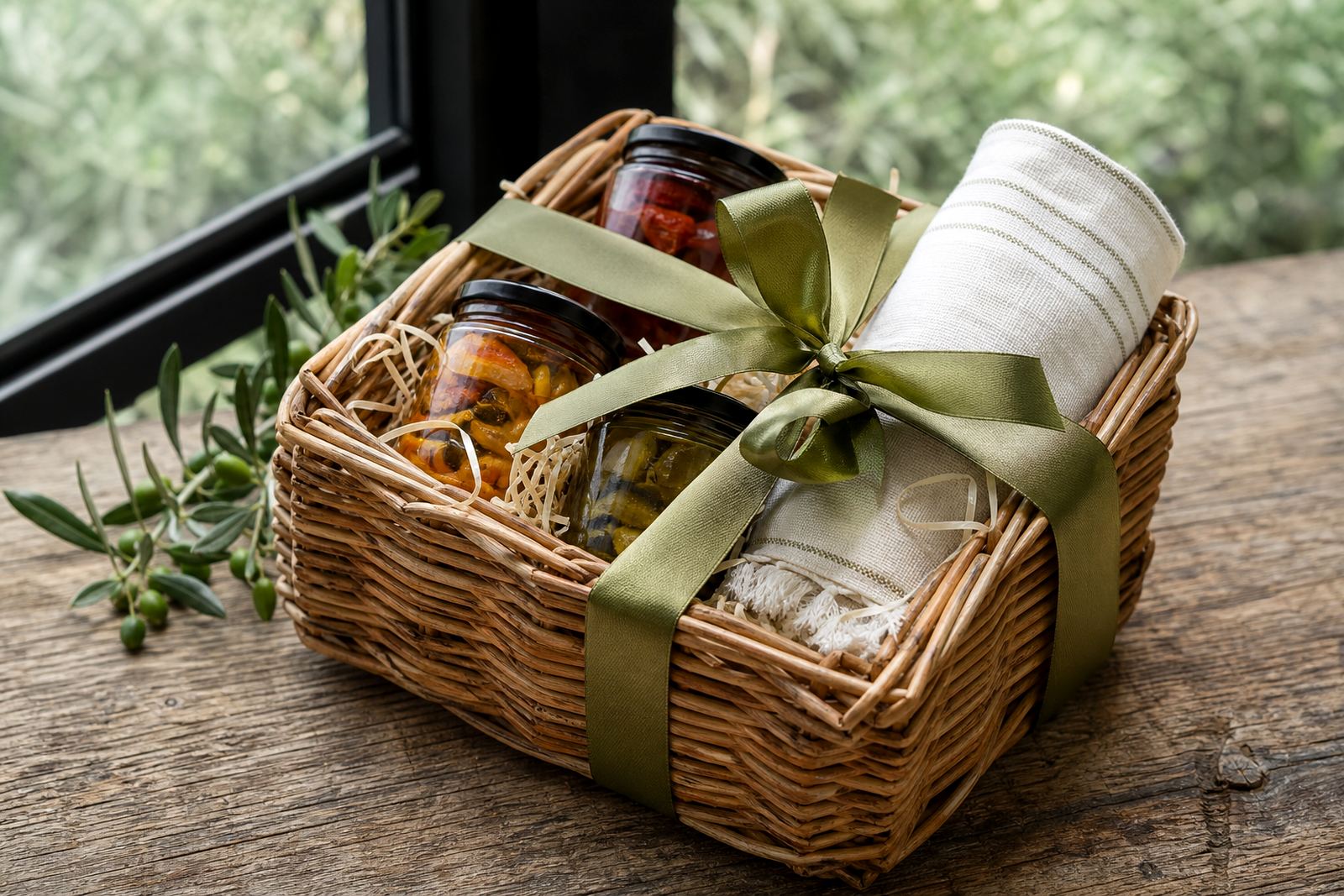
Cumato supplies sun-dried tomato and pickle preserves from Paarl to clients planning grazing tables, hampers, wedding favours and hospitality orders. For caterers and hosts, the value is in consistency and easy use. The jars slot into a table setting without extra prep, and they travel well by courier to Cape Town, Johannesburg, Pretoria, Durban and Gqeberha. For local events around Paarl, Somerset West and Stellenbosch, they are useful for quick top-ups and repeat orders too.
When ordering for an event, it helps to think in layers: one preserve for cheese, another for bread or savoury bakes, and a third for small tasting bowls if the table is large. The team can also help with bulk orders, seasonal orders and corporate gifting when the same flavour profile needs to run through more than one event. If you are planning a grazing table for a wedding, open day or company lunch, it is easier to sort the preserves early and then build the rest of the spread around them.
Our base in Paarl means we understand the practical side of food service in the Western Cape, from summer heat to venue turnarounds and transport timing. That keeps the order process straightforward, and it means the preserves arrive ready to be used as part of the table rather than as an afterthought.